

Aluminium screw caps recycled content has become a frequent topic in packaging meetings once California and EU deadlines started closing in. Producers shipping wine, spirits, carbonated drinks, or premium juices now see roll-on pilfer-proof (ROPP) aluminium closures as one of the cleaner ways to hit the numbers. California’s AB 793 already locked in 25 percent post-consumer resin for plastic beverage containers starting January 2025, jumping to 50 percent in 2030, with a twenty-cent-per-pound shortfall penalty that gets everyone’s attention. Over in Europe the PPWR phases in recyclability grades and minimum recycled content for plastic packaging—30 percent on PET bottles by 2030, broader categories following suit. Most of those rules point straight at plastic components. Aluminium screw caps sit outside the strict plastic PCR crosshairs, yet they bring high recycled aluminium levels to the table and keep the metallic finish, custom printing, and tamper-evident performance that premium lines depend on. Pair them with glass and the overall package sails through audits while still looking like it belongs on the top shelf.
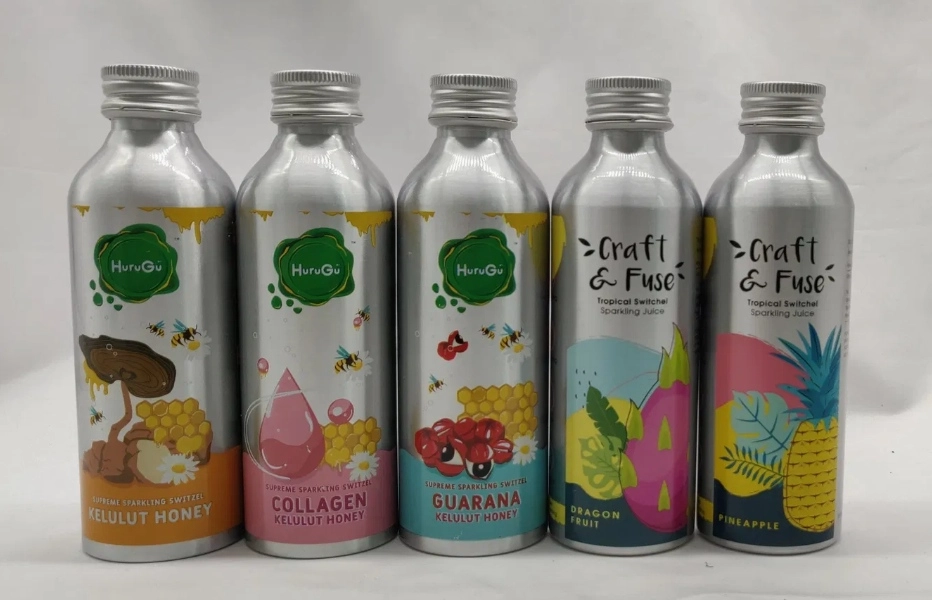
Understanding 2025-2029 Recycled Content Mandates: What Beverage Brands Face
California never left much room for interpretation. AB 793 covers any beverage container sold under the redemption program, meaning most plastic bottles and their closures. The average PCR calculation runs across a producer’s entire California volume, so shortfalls in one SKU drag the whole portfolio down. Reports go in every March, and the state posts the names of anyone coming up light.
The EU PPWR operates differently but lands in the same place. From 2030 single-use plastic beverage bottles carry a 30 percent recycled content minimum, contact-sensitive plastics start lower but climb, and every package on the market has to hit at least recyclability grade C by 2030, grade A by 2040. National registries and producer-responsibility fees back it up. Export brands feel both sets of rules at once—one for West Coast volume, another for everything heading into the single market.
Retail buyers layer on their own demands. Sustainability scorecards now ask for recycled content percentages on secondary packaging and closures alike. Miss the threshold and shelf space disappears. Premium beverage segments feel the squeeze hardest because dull plastic caps or off-color PCR resin kill the upscale vibe that justifies the price point.
Why Aluminium Screw Caps Excel in Recycled Content Compliance
Aluminium recycles forever without dropping strength or purity. Feed it back into the sheet mill as many times as needed and the material comes out identical. That single property changes the compliance math. Global beverage-can recycling rates already run 70 percent plus in many countries; caps follow the same stream. Modern closure sheet routinely contains 50-70 percent post-consumer aluminium, sometimes higher, without anyone noticing a difference in performance or appearance.
Plastic PCR rarely reaches those levels without visible trade-offs. Recycled resin picks up color contamination, loses impact resistance, or creates torque variation. Aluminium sheet stays bright and uniform even at high recycled levels. Brushed silver, matte black, deep burgundy—whatever the brand spec calls for—comes out clean.
Regulators wrote most of the recycled-content targets around plastic because that’s where the volume and the waste problem sat. Aluminium closures therefore dodge the hardest mandates when the bottle itself is glass. The package as a whole still scores strong recyclability marks and lets marketing use honest “high recycled aluminium” language that auditors accept.
Key Pain Points When Trying to Meet Mandates with Traditional Closures
Plastic cap suppliers have been scrambling since the California numbers were finalized. High-quality food-grade PCR stays in short supply, and prices swing hard when a big contract gets signed. Color shift remains the killer for premium lines. A deep matte black plastic cap can turn charcoal gray once 25 percent PCR goes in the mix. Gradients wash out, logos lose sharpness, and the whole bottle suddenly looks cheaper on the shelf.
Sealing issues show up next. Recycled resin batches vary in melt flow, so dimensional stability suffers. Torque values drift, caps back off in transit, or liners don’t seat evenly. Export shipments crossing temperature zones turn those small variations into real leaks.
Testing cycles drag. Every new PCR blend needs fill-line trials, shelf-life studies, and migration tests. Small and mid-size producers running seasonal or limited releases simply run out of calendar to get it all done before the deadline hits.
Actionable Solutions: How to Implement Aluminium Screw Caps for Compliance
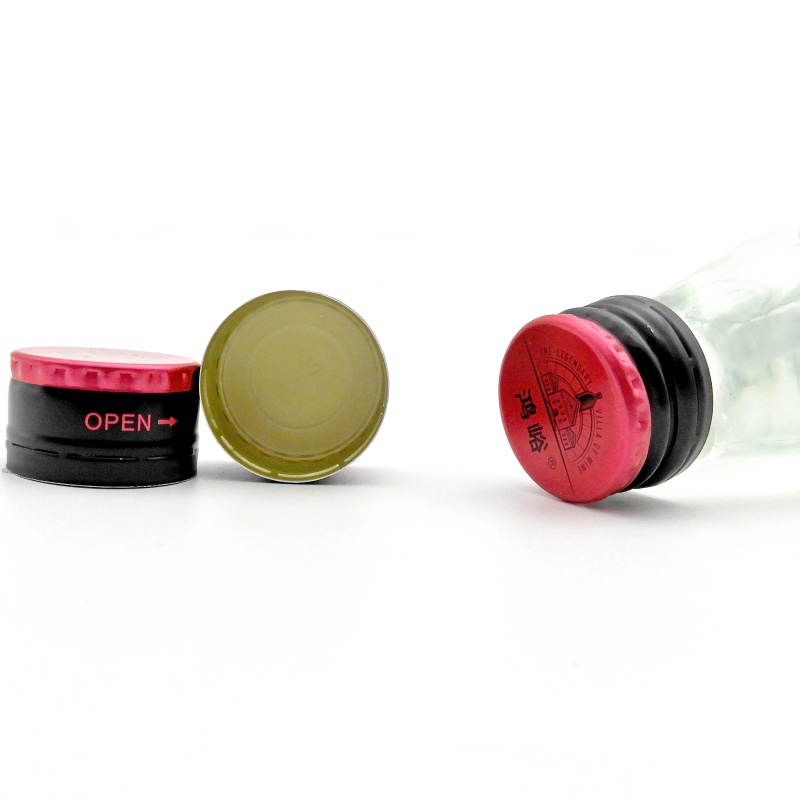
Map the current package first. Pull the bottle and closure weights, note material types, and run the numbers against CalRecycle worksheets or the upcoming EU calculation methods. Aluminium ROPP caps usually push the total recyclability score high enough to clear the bar without forcing plastic PCR into the cap.
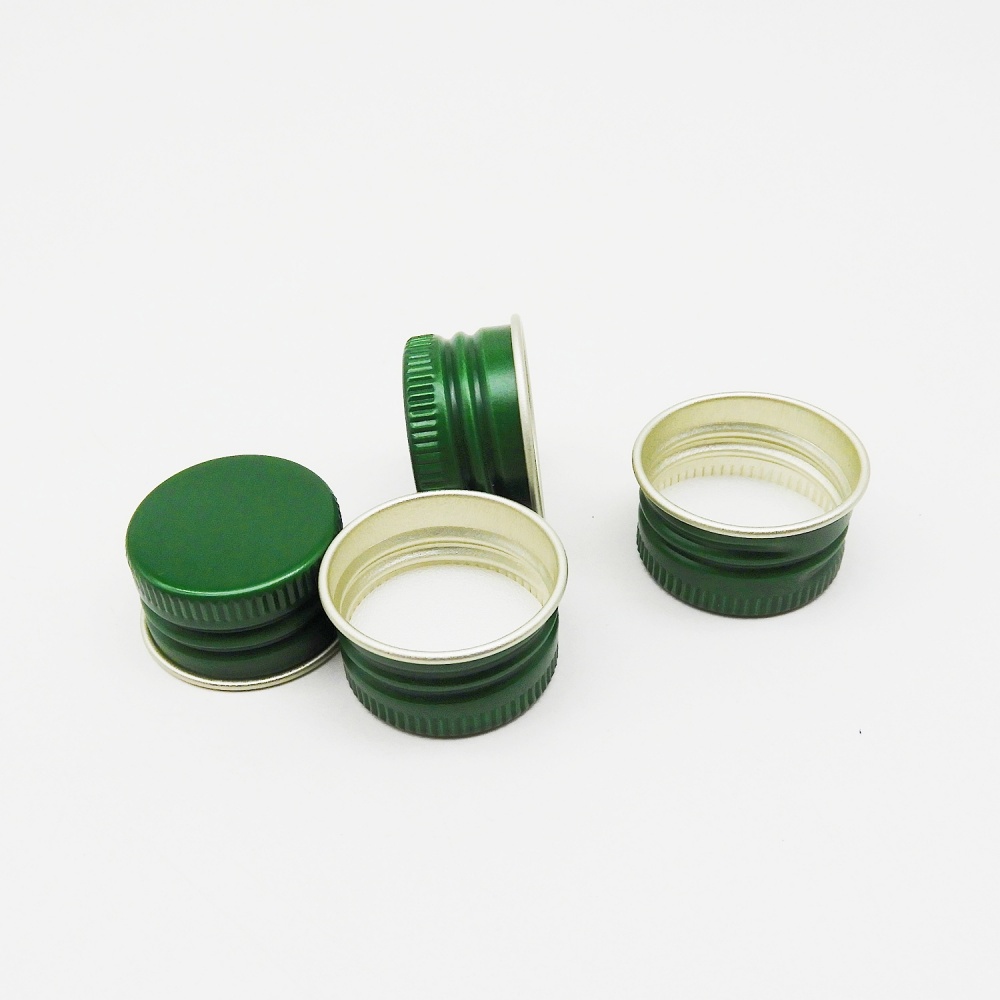
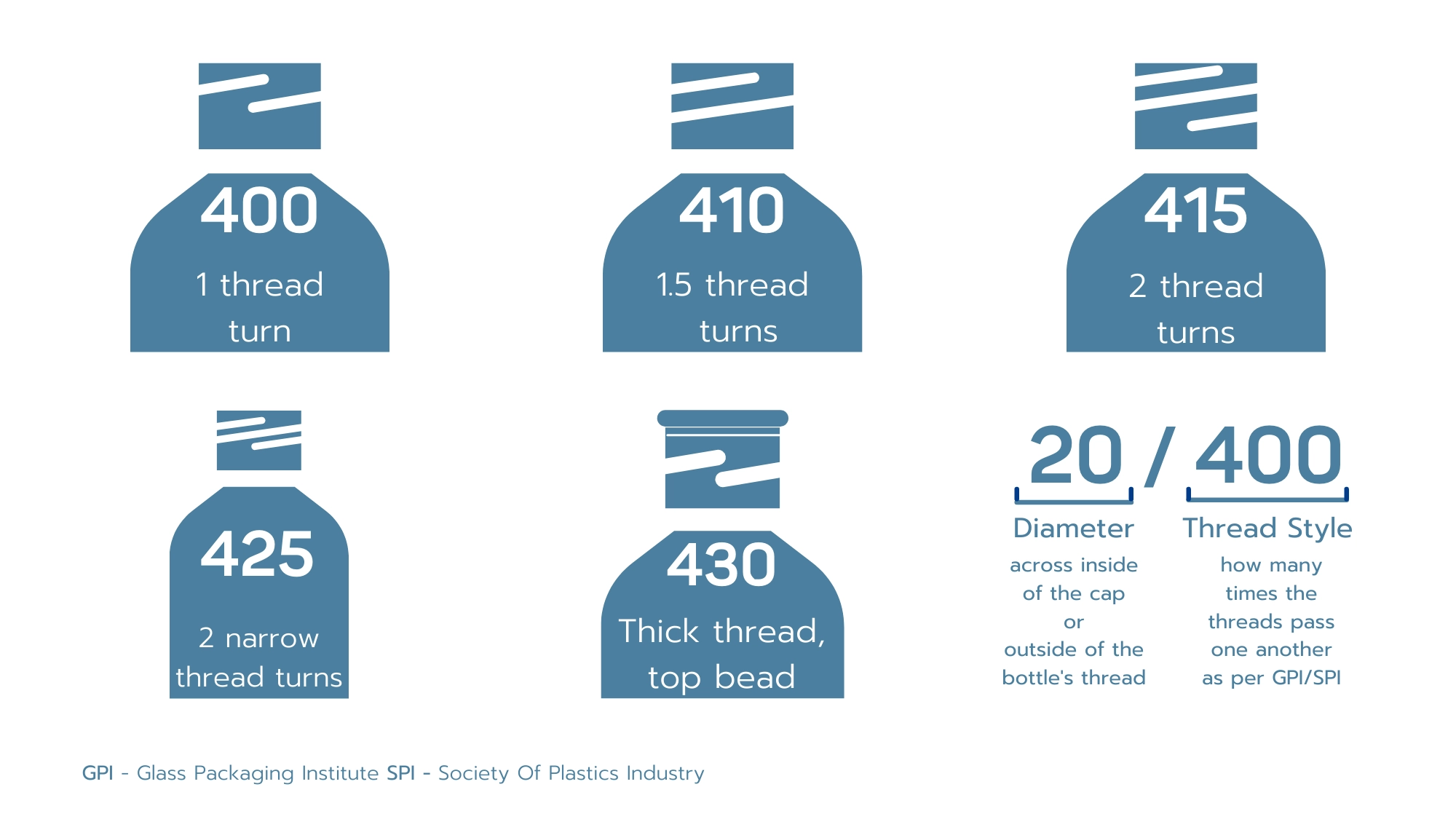
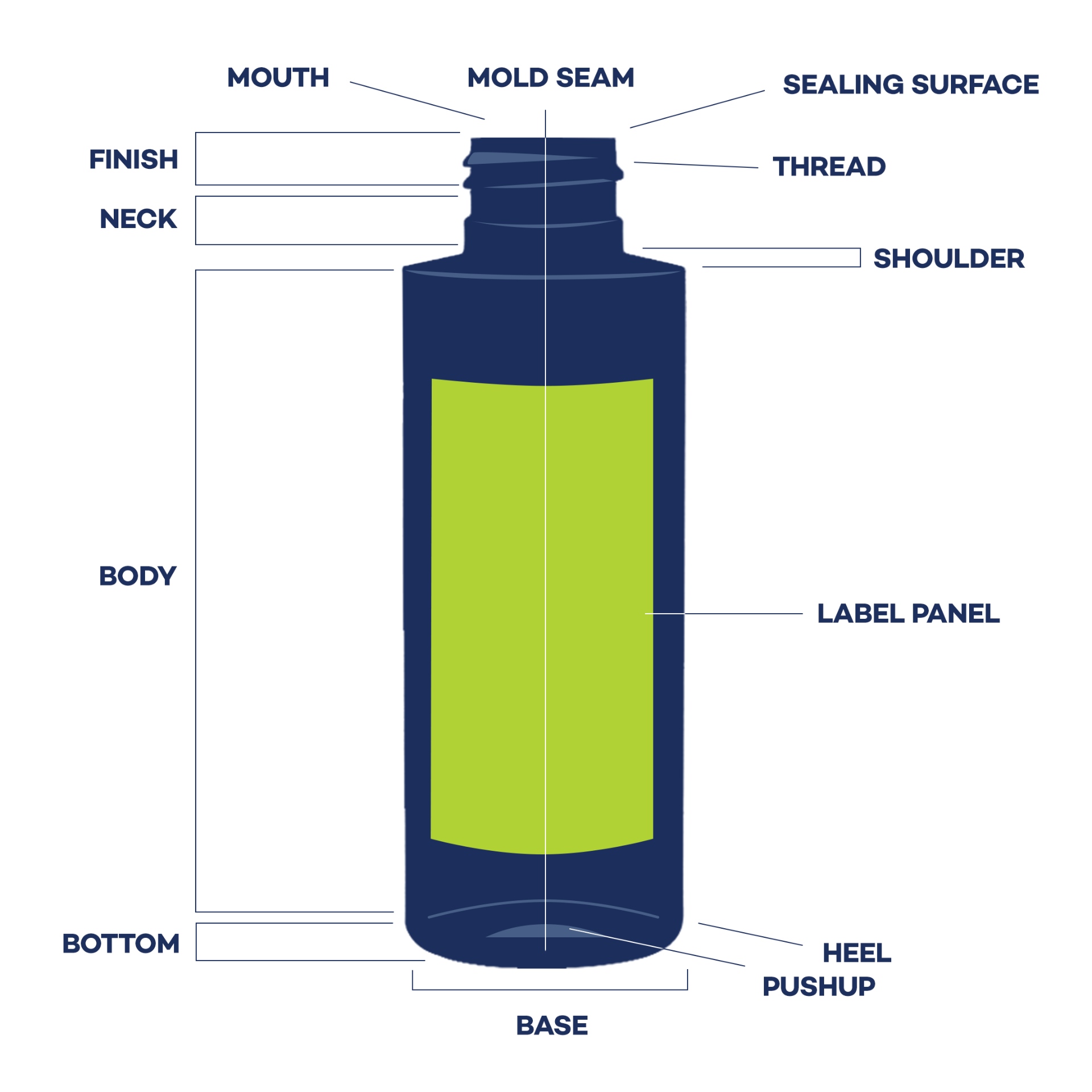
Pick the right specification early. Carbonated soft drinks and juices live on 28mm ROPP, most spirits settle at 30×35mm with destructible pilfer-proof bands, wine-style beverages take 30×60mm. Send the bottle sample or neck-finish drawing in—T, E, and H measurements—and match the cap exactly. Mismatches cause more leaks than any other single factor.
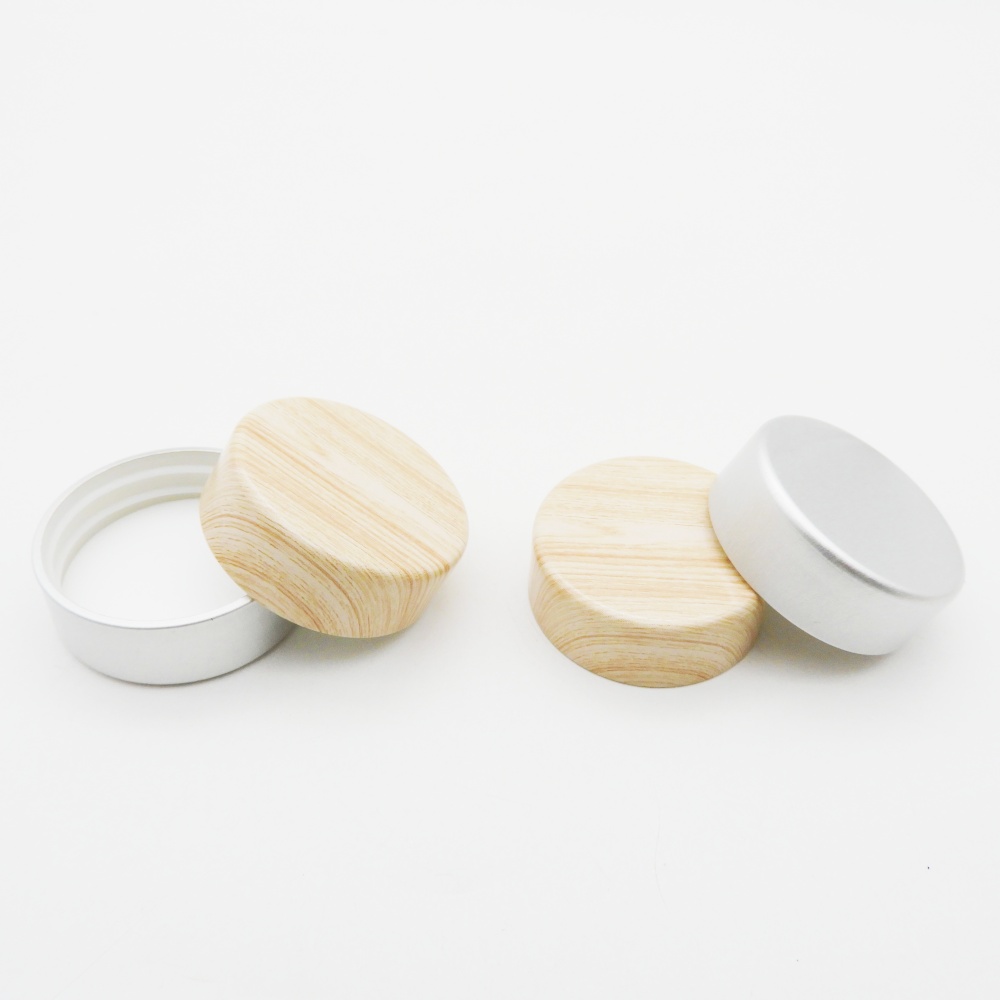
Printing and decoration stay flexible. UV units handle full-color gradients and fine detail straight onto the aluminium skirt and top. Embossing adds raised logos or knurl patterns for grip and prestige. None of these processes suffer when recycled aluminium content climbs.
Run a short pilot. Ten thousand caps cover most trial needs and expose any torque or sealing quirks before full commitment. Factories set up for export volumes can turn those quantities in weeks instead of months.
Documentation follows. Suppliers that track recycled aluminium percentages lot-by-lot hand over the certificates needed for state reports or retailer portals. One set of paperwork covers the closure for both California and EU requirements in most cases.
Case Spotlight: Practical Implementation in Beverage Export Scenarios
A West Coast-based spirits and wine exporter faced dual deadlines in 2025—AB 793 on the domestic side, PPWR preparation for Europe. Plastic caps at 25 percent PCR turned matte finishes gray and created inconsistent opening torque on the vodka line.
Moving to aluminium screw caps flipped the equation. 30×35mm ROPP on spirits and 30×60mm on wine delivered 60 percent average recycled aluminium content, metallic finishes stayed true, and UV-printed logos rendered sharper than before. Integrated neck verification eliminated the leak complaints that had plagued the previous plastic-cap runs. Pilot batches shipped in four weeks, full production followed without retooling delays. Sustainability reports simplified to a single closure certificate, and shelf presentation actually improved.
Yantai Original: A Reliable Partner for Aluminium Screw Caps
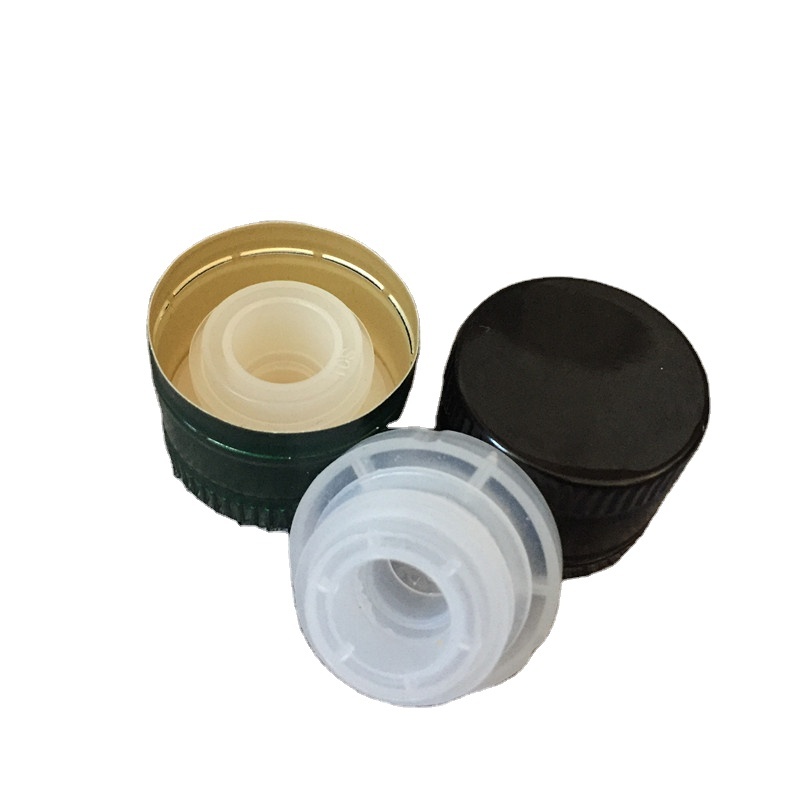
Yantai Original operates out of Yantai, Shandong, with eight years concentrated on export packaging. Six automated cap lines and two glass-bottle lines run daily outputs that cover both boutique and industrial volumes. The setup focuses on integrated supply—caps, bottles, and cartons from one roof—so neck tolerances match and leakage stays off the table. Customization runs from basic lithographic colors to full UV gradients and embossing. Liner choices include PE, Saranex, and special-glue compounds matched to still, carbonated, or high-alcohol fills. Low minimums and fast tooling turns suit brands testing compliance paths or launching limited editions. Location near Qingdao Port keeps sea and rail freight straightforward for North America and Europe.
Conclusion
Aluminium screw caps give beverage producers a straightforward compliance tool as 2025-2029 recycled content mandates tighten. Infinite recyclability removes most of the plastic PCR headaches, while surface treatments and printing options keep the package looking premium. Brands that measure necks accurately, run short trials, and lock in supply early clear the regulatory hurdles without compromising the shelf appeal that drives sales.
FAQs
How do aluminium screw caps recycled content numbers stack up against California’s 2025 25% mandate?
Current closure sheet typically runs 50-70 percent post-consumer aluminium, well above the plastic targets. Paired with glass, the total package satisfies recyclability requirements and gives marketing solid claims without forcing PCR into a plastic cap.
Will aluminium ROPP caps lose the premium metallic look when recycled content increases?
No. Aluminium sheet stays bright and uniform at high recycled levels. Brushed, matte, or UV-printed finishes hold true, unlike PCR plastic that often grays out or loses sharpness.
What neck measurement do I need before ordering aluminium screw caps for compliance packaging?
Send the bottle or drawing and get T (thread diameter), E (root diameter), and H (height) confirmed. Exact match eliminates torque drift and leakage that kill more compliance projects than material choice ever does.
Can aluminium screw caps handle carbonated beverages under the new recycled content rules?
Yes. 28mm ROPP with the right liner—usually TPE or special glue—holds pressure and keeps the metallic premium appearance that plastic PCR caps struggle to maintain.
How fast can a brand switch to aluminium screw caps to meet 2025-2029 mandates without delaying launch?
With neck verification done upfront and pilot quantities available in weeks, most lines convert in 8-12 weeks start to finish, fast enough to hit California reporting cycles and EU preparation timelines.