

As we move deeper into 2026, the beverage packaging landscape has become noticeably more demanding. Extended Producer Responsibility regulations are now enforced with greater stringency across major markets, recyclability must be demonstrable rather than claimed, and consumers continue to reward packaging that feels genuinely premium while using less material overall. Glass bottles paired with aluminum closures maintain a solid position in spirits, premium non-alcoholic beverages, wine, and functional drinks precisely because they deliver on purity perception, flavor stability, and full recyclability without the chemical concerns that shadow many alternatives.
This analysis looks at the prevailing beverage bottle design trends for 2026 from the perspective of someone who has spent years handling production, compatibility testing, and client troubleshooting. The emphasis stays on practical decisions that actually work under real factory and logistics conditions.
Sustainability Remains Non-Negotiable — But Real Recyclability Is the New Battleground
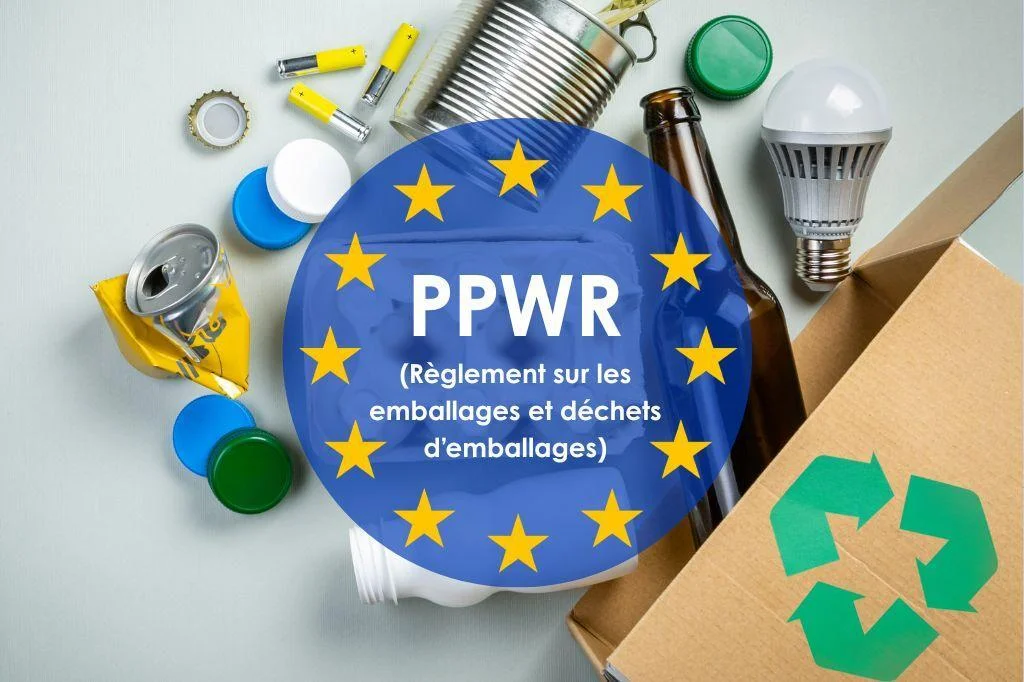
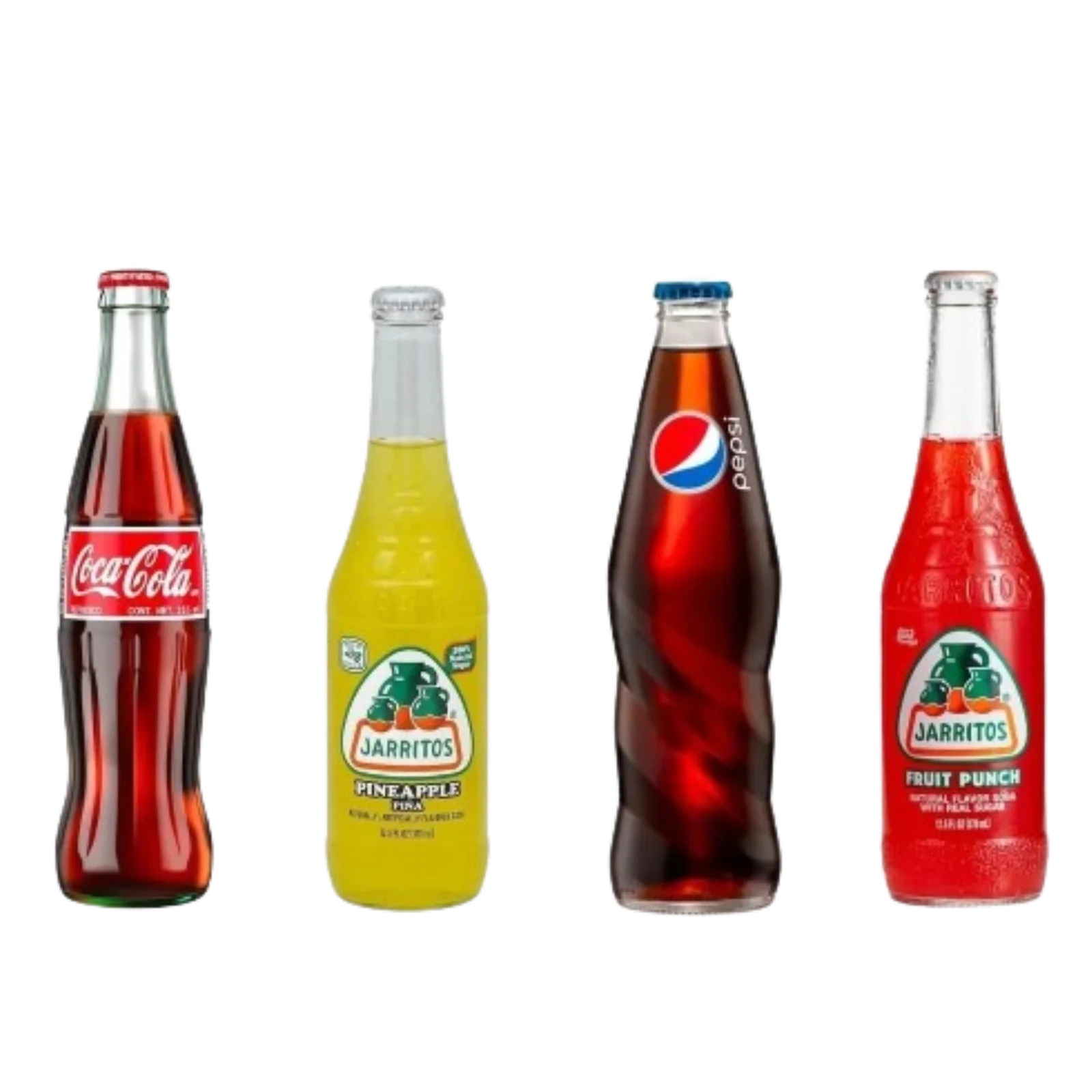
The regulatory environment has shifted decisively. EPR schemes now require proof that the entire package can be effectively sorted and recycled at scale. Mono-material approaches receive preference because they reduce contamination at recovery facilities and improve acceptance rates. While recycled content in plastics and paper-based formats garners headlines, glass continues to serve as the benchmark for true circularity: completely recyclable, chemically inert, and capable of preserving product integrity across multiple lifecycles.
The most frequent production headache arises when bottles and closures originate from separate sources. Minor deviations in thread geometry — even within supposedly standard tolerances — frequently result in inadequate sealing, elevated leakage during sea freight, or inconsistent performance on high-speed filling lines. These failures generate waste, inflate rejection rates, and complicate the detailed reporting now demanded under EPR frameworks.
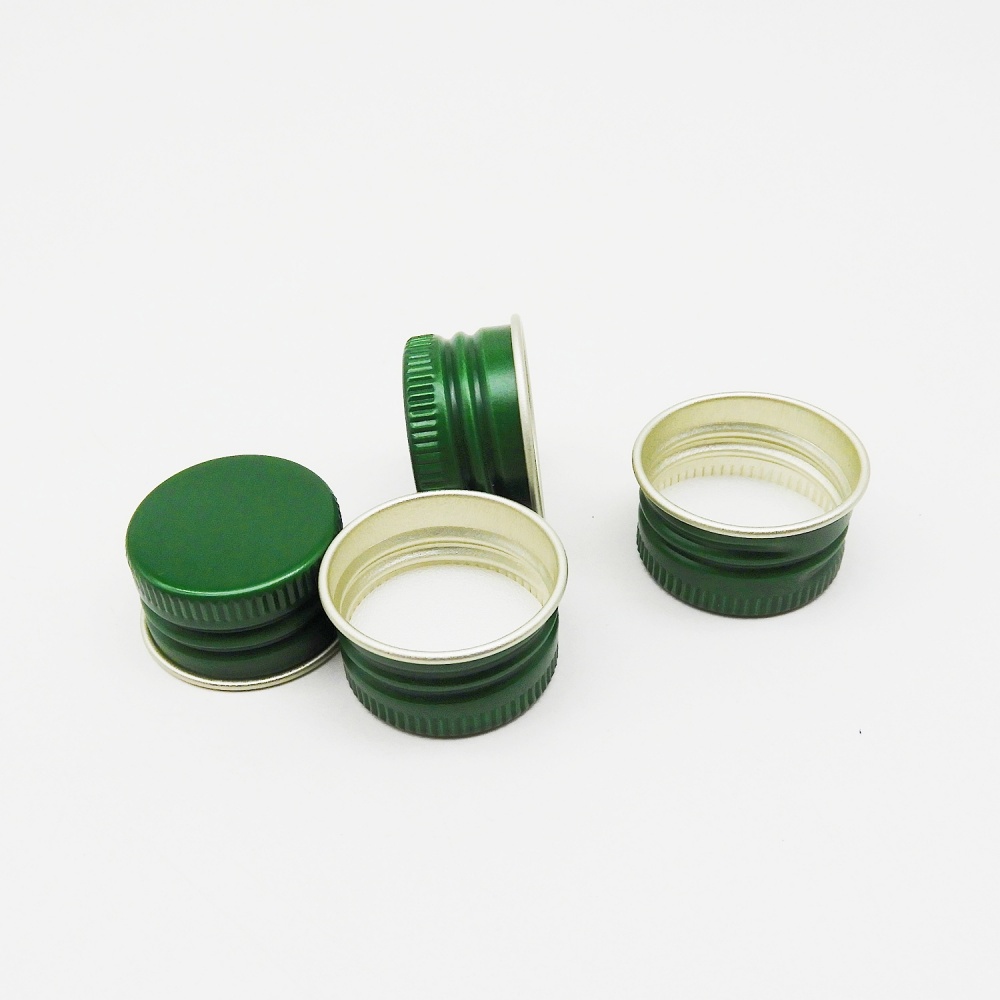
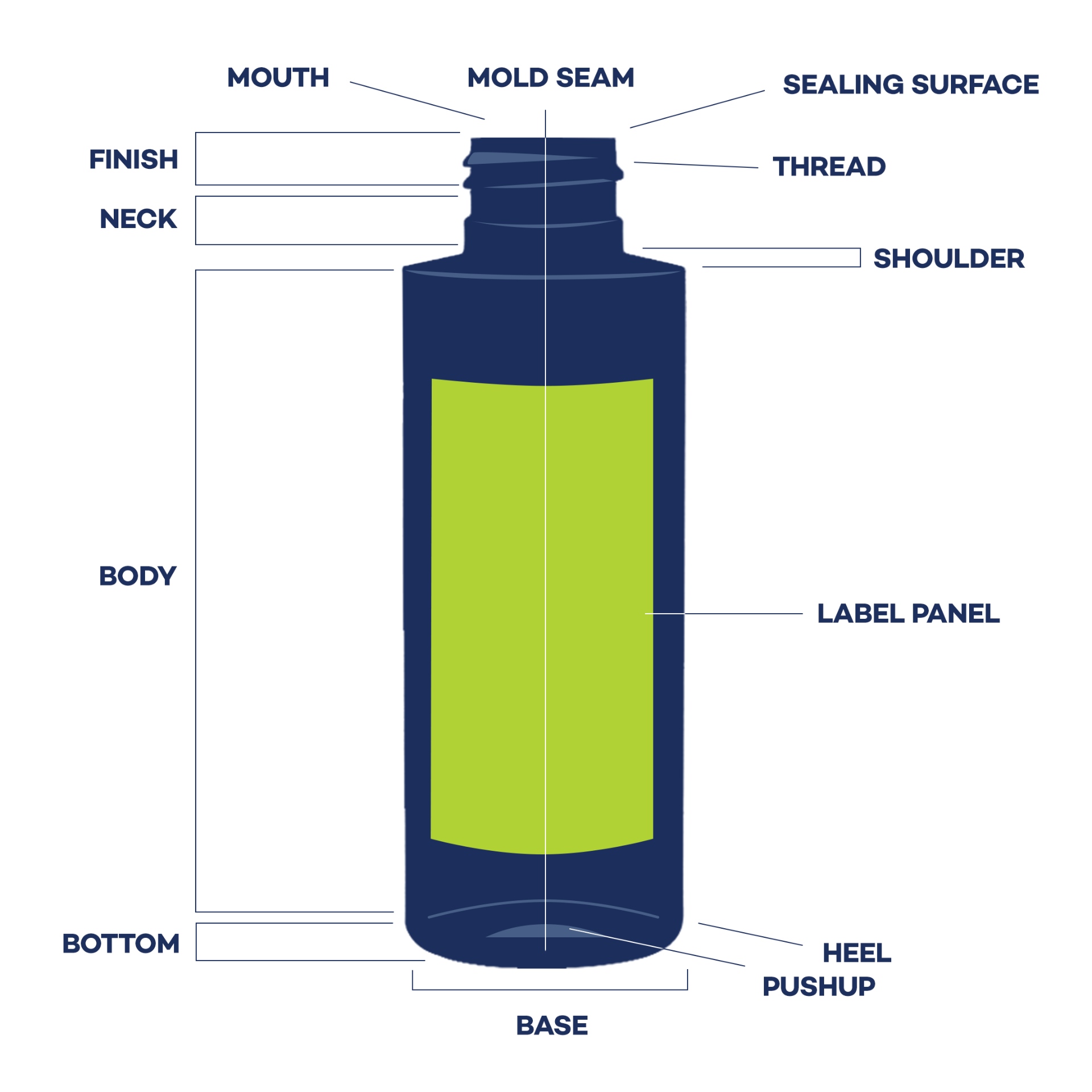
The workable solution involves suppliers who verify compatibility before any large run begins. By measuring critical dimensions (T-thread diameter, E-root diameter, H-height) against the actual bottle finish, the correct cap specification can be determined from the outset. Facilities that routinely conduct torque tests and pressure-hold trials on matched sets produce far fewer field failures. This integrated approach not only satisfies regulatory scrutiny but also cuts down on costly returns and strengthens the traceability documentation required in 2026.
Lightweighting 2.0: Glass Is Fighting Back with Advanced Engineering
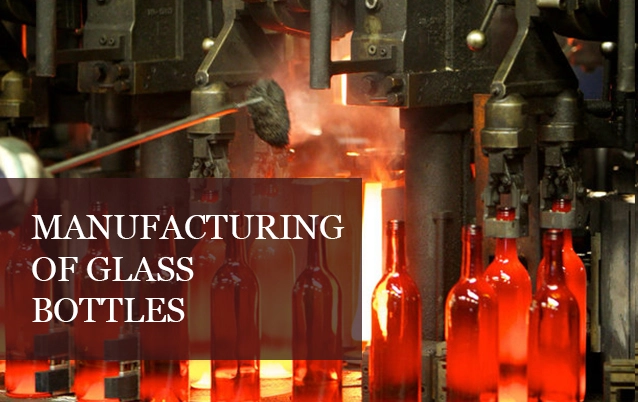
Significant progress has occurred in lightweight glass technology. Weights in the 180–220g range have become realistic for premium spirits and high-end still beverages, achieved through refined mold design, strategic wall thickness distribution, and strengthened critical zones. These bottles maintain the expected heft and resonance that signal quality, while noticeably reducing raw material consumption and transport-related carbon footprint.
Reducing weight, however, heightens the importance of closure performance. Thinner glass tolerates less forgiveness in sealing pressure. Even small inconsistencies in application torque or liner compression can lead to micro-leaks under vibration, temperature cycling, or altitude changes during international shipping.
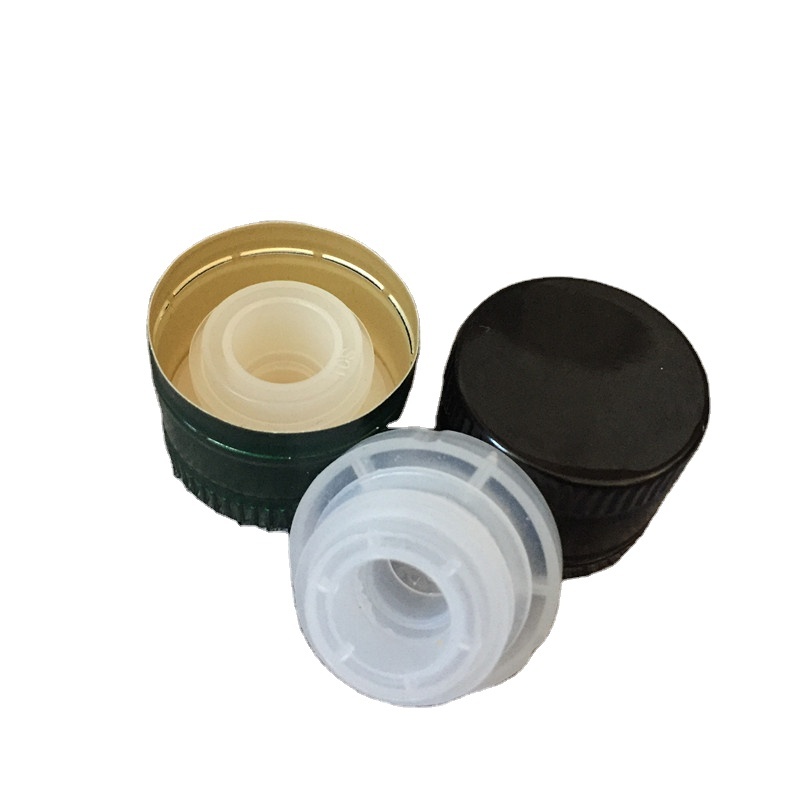
Successful implementations rely on paired engineering from the beginning. When the same team controls both bottle forming and cap production, compatibility trials become standard procedure. Liner selection — whether standard PE, Saranex composites, or pressure-resistant variants — gets matched precisely to the product profile (still versus carbonated, alcohol strength, fill temperature). Production lines running at scale (hundreds of thousands of units per day) allow seamless transition from validation samples to commercial volumes with consistent quality.
Design Directions 2026: Soft Edges, Ultra-Clean Minimalism & Retro-Premium Revival
Current aesthetic directions favor softer, more organic forms: pill-shaped profiles, gently rounded shoulders, and flowing typography that feels approachable yet deliberate. Minimalist label treatments combine generous white space with high-density information blocks (origin stories, recycling codes, digital links), while subtle embossing and tactile finishes reintroduce craftsmanship elements that resonate in premium segments.
The commercial risk attached to unique bottle shapes remains substantial. Custom molds carry meaningful tooling expense, extended lead times discourage rapid iteration, and many smaller-to-mid-sized brands hesitate to commit volume before sales data confirms market acceptance.
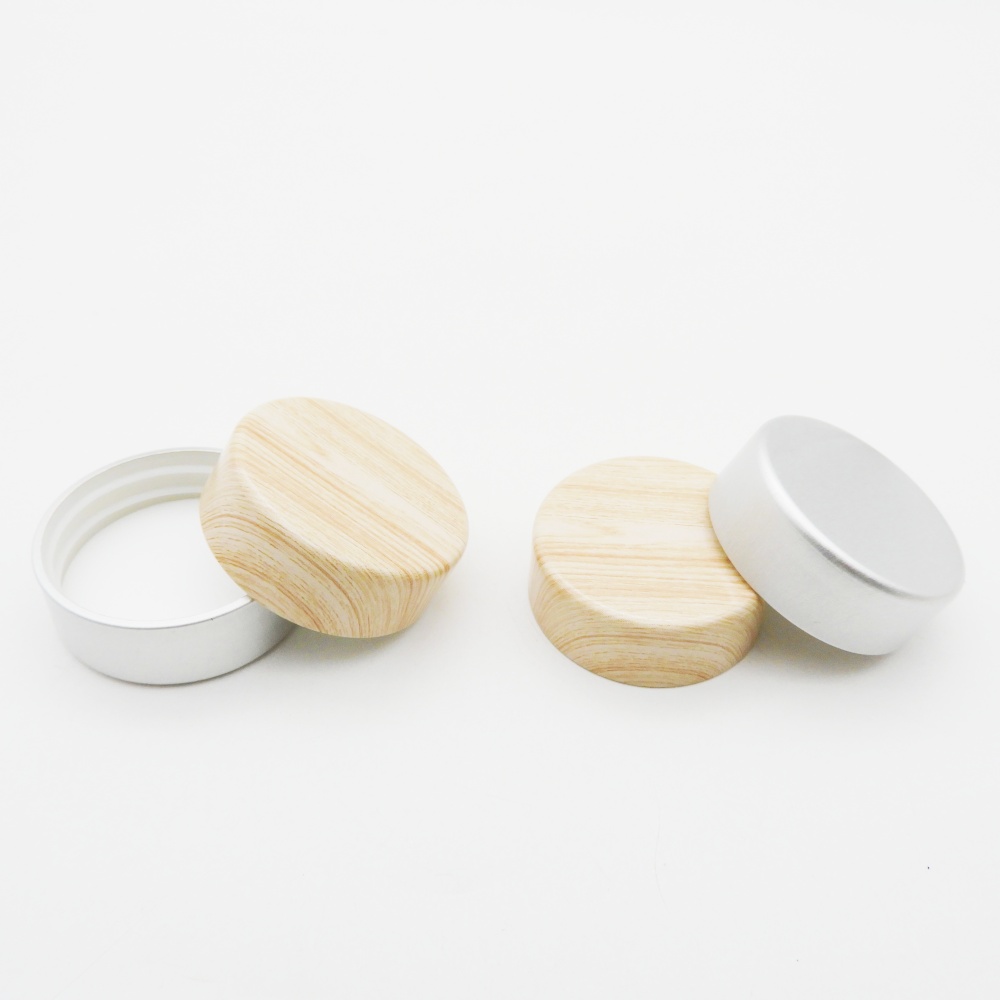
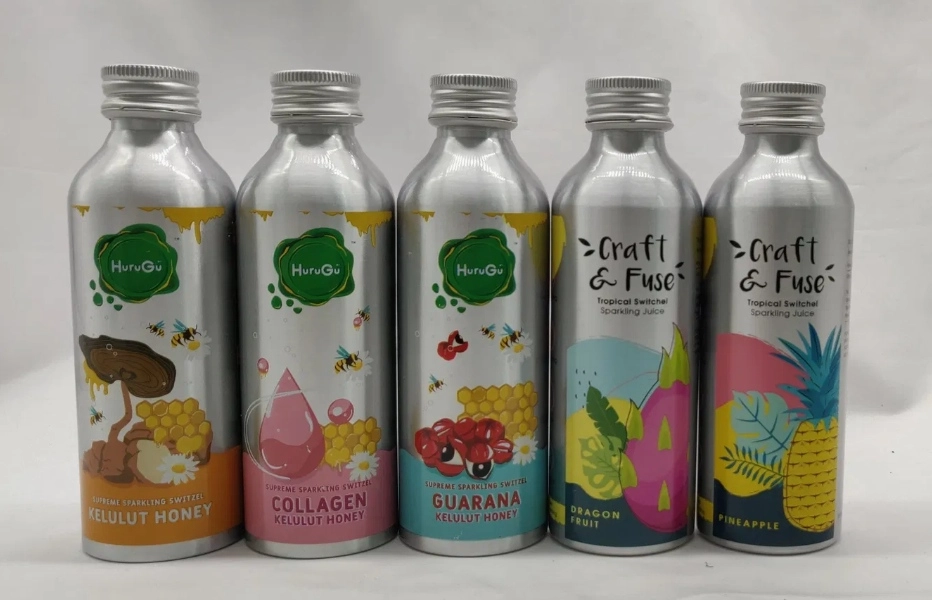
Practical mitigation strategies exist. Some suppliers maintain libraries of existing molds for standard profiles (Bordeaux, flint rounds, etc.) that allow immediate sampling and small initial runs. For brands pursuing differentiation, accessible mold investment thresholds — coupled with refund mechanisms triggered by cumulative order milestones (typically around 500,000 units) — substantially lower the financial barrier to entry. Aluminum closures complement these forms through advanced decoration methods capable of reproducing gradients, fine line work, and textured effects that enhance rather than compete with the overall design language.
Connected & Functional Packaging: QR Codes, AR & Resealable Demand Rising
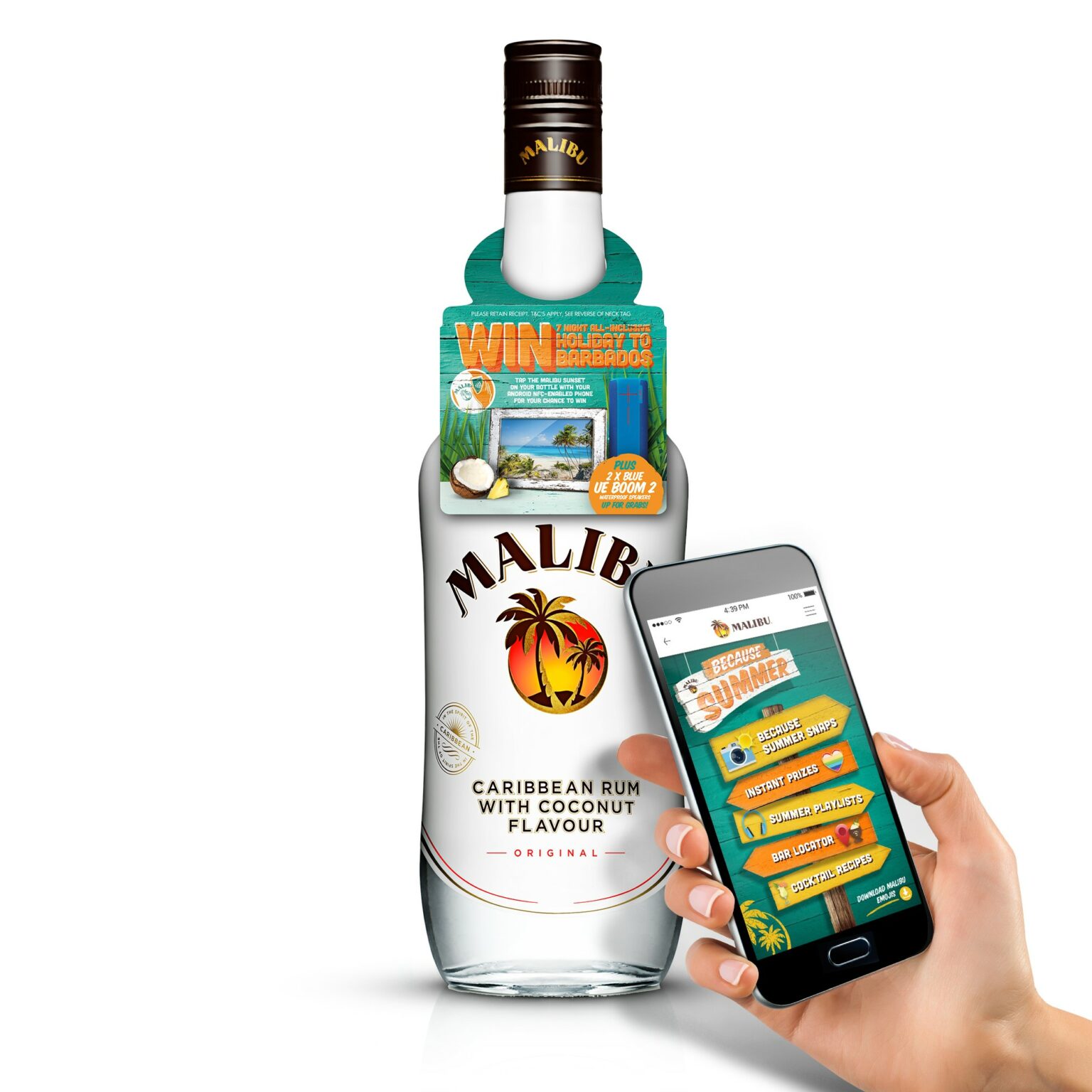
Digital integration continues to accelerate. QR codes and augmented reality features on closures have evolved from novelty to expected functionality, delivering traceability, sustainability credentials, or interactive brand storytelling. In non-alcoholic and functional beverage categories, resealability has moved from nice-to-have to baseline requirement as partial consumption patterns become more common.
Execution quality matters considerably. Poorly printed or low-resolution codes fail in-store scanning; inadequate torque control produces either difficult opening or premature loosening during distribution.
High-definition UV printing on aluminum surfaces delivers sharp, durable variable data including QR codes and sequential numbering. Tight torque tolerances (maintained within ±2 Nm) provide consistent opening feel and reliable reseal performance. Suppliers who handle both bottle neck specification and cap decoration from the initial design stage eliminate most of the alignment problems that plague fragmented supply chains.
Premiumization & Purity Perception: Why Glass + Aluminum Still Wins in 2026
Alternative materials have made strides in certain fast-moving segments, yet glass retains a decisive advantage wherever purity perception and ritual matter most. The material’s inert character prevents flavor scalping or odor transfer, while the distinctive sound and tactile feedback of an aluminum closure reinforce perceived quality — attributes difficult to replicate convincingly with other substrates.
Fragmented sourcing remains the largest hidden cost in premium packaging projects. Coordinating separate bottle, closure, and secondary packaging suppliers frequently leads to tolerance stack-up issues, delayed timelines, and unexpected quality excursions.
A streamlined supply model addresses these realities directly. When one facility produces aluminum ROPP and screw caps, supplies matching glass bottles, and handles coordinated carton decoration, the entire system benefits from pre-verified compatibility, synchronized lead times, and consolidated logistics.
About Yantai Original Package Co., Ltd
Yantai Original Package Co., Ltd operates as a specialized provider in this field. Established in 2017 and situated in Yantai, Shandong Province, with advantageous proximity to Qingdao Port, the company maintains eight years of focused experience in aluminum closures and glass bottle supply. Six automated cap production lines deliver up to 500,000 pieces daily, complemented by two bottle lines capable of 300,000 units per day. Exports reach more than 50 countries, supported by a deliberate policy of flexible minimum order quantities that accommodates both emerging brands and established producers. Core capabilities include precise tolerance matching to eliminate leakage risks, advanced surface decoration (UV gradients, embossing, hot stamping), and structured mold investment policies that reduce financial exposure for custom designs. By integrating caps, bottles, and cartons under one roof, the operation resolves many longstanding pain points in international packaging procurement.
Conclusion
The dominant beverage bottle design and packaging trends for 2026 require more than trend-watching. Brands must translate regulatory pressure, material efficiency targets, evolving visual language, and functional expectations into packages that perform reliably in production, distribution, and consumer hands. Glass bottles combined with aluminum closures continue to offer one of the most balanced propositions: proven recyclability, strong premium signaling, and dependable engineering when components are developed together. Success in this environment hinges on early technical verification, production flexibility, and partners who understand both aesthetic goals and factory-floor realities. Decisions made with these factors in focus deliver measurable advantages in compliance, cost control, and market positioning throughout the year.
Frequently Asked Questions
Why does my cap leak after capping on a new glass bottle?
Leakage typically results from mismatched tolerances between the bottle finish and cap. Small differences in thread diameter (T), root diameter (E), or height (H) prevent proper compression of the liner. Providing a physical sample or detailed technical drawing allows accurate measurement and correct cap specification, solving this persistent issue in sustainable beverage packaging 2026 projects.
How do I select the appropriate liner for carbonated products in lightweight glass bottles?
Carbonated applications demand liners that maintain seal integrity under internal pressure. Saranex composites or specialized pressure-resistant options generally perform best, with final selection determined by alcohol strength, carbonation level, and filling conditions. Matched testing during the verification stage confirms performance across real transport and storage scenarios.
What options exist if I want a custom bottle shape but need to manage mold costs carefully in 2026?
Mold investments can start at relatively low levels, with refund policies that return the full amount after cumulative orders reach designated thresholds (commonly around 500,000 units). Standard mold libraries provide immediate access to proven profiles, enabling brands to pursue lightweight glass bottle 2026 concepts without prohibitive upfront capital requirements.
Can gradient or complex logos be printed effectively on aluminum caps for premium beverage packaging?
UV printing technology supports high-resolution gradients, multi-color artwork, and fine detail reproduction on aluminum surfaces. Additional techniques such as embossing and hot stamping further enhance tactile quality, aligning closures with current premium glass beverage bottle 2026 aesthetic directions.
How can packaging better satisfy EPR recyclability requirements this year?
Prioritizing mono-material compatibility and verified sealing performance reduces contamination risk at recovery facilities. Glass paired with matched aluminum closures provides full recyclability while preserving package integrity. Detailed torque and pressure test records from the supplier strengthen the documentation needed for regulatory compliance in beverage bottle design trends 2026.