


Champagne bottle caps serve as much more than just pretty tops. They act as carefully built parts that guard the quality and taste appeal of sparkling wines. A champagne bottle cap has to hold the pressure inside. It needs to block oxidation. And it should keep the bubbles that set apart top sparkling drinks. The build and materials in these caps affect the keeping of fizz. They also touch on the full way you enjoy the drink.

The Functional Importance of Champagne Caps
The main role of a champagne bottle cap is to stop gas from getting out. This helps keep the carbonation at the right level. That level is vital for the wine’s active bubbles. Good caps create a seal with no air leaks. Because of this, they shield from outside dirt and oxidation. Both can harm the flavor and scent. Also, steady pressure in the bottle keeps the feel clear and smooth. Makers who do well balance the seal’s firmness with how simple it is to take off. This balance marks fine skill in building caps.
How Pressure Resistance Defines Cap Performance
Handling pressure counts as a main way to judge a champagne cap’s work. Solid metal blends give firm support under the strong pressure found in sparkling wines. Such pressure usually tops six atmospheres. A good seal stops small leaks. Those leaks might make the champagne lose its sparkle as time goes by. Makers put caps through tough tests. These tests check if they last in long storage and moves. So, each bottle holds its planned traits until you open it.
Which Materials Are Commonly Used in Champagne Cap Production?
Choosing fitting caps materials plays a big part in matching how they work, cost control, and green ways. Every material brings clear pluses. These cover strength in mechanics, fight against rust, and harm to the earth.
Metal Alloys in Premium Champagne Caps
In top picks, aluminum blends get picked for their light weight and good rust block. They suit damp storage spots or long keep times. Tinplate steel adds more stiffness. This is needed for spots with high pressure, like old champagnes or sparkling wines kept on lees. Certain makers use blended stuff. They mix metal with plastic covers to better the seal traits. At the same time, this lessens metal touching the wine.
The Role of Liners and Coatings in Material Performance
Within each champagne bottle cap, safe-for-food liners make an important wall. This wall stops wine from touching metal faces right away. Such liners keep the pure taste. They do so by cutting out chances of metal flavor passing over. Special covers boost rust fight more. They work in wet or shifting heat spots, which happen a lot in wine rooms. The stretch in liner stuff makes sure of a close seal. Even this holds after many heat grow cycles in storage or trips.
How Does Craftsmanship Influence Cap Quality?
After picking materials, the skill in making decides how well a cap does as time passes. Exact building makes sure of even results in big make amounts. It also keeps the sight appeal, which is a must for fancy drinks such as champagne.
Precision Engineering in Cap Manufacturing
New press methods form every cap with close limits. This brings the same shape in groups. Steady line matches promise fit with auto fill machines. Thus, there is less stop time in pack jobs. Auto check setups find tiny flaws before send-off. Because of that, only perfect quality caps get to makers.
The Finishing Process: Where Function Meets Elegance
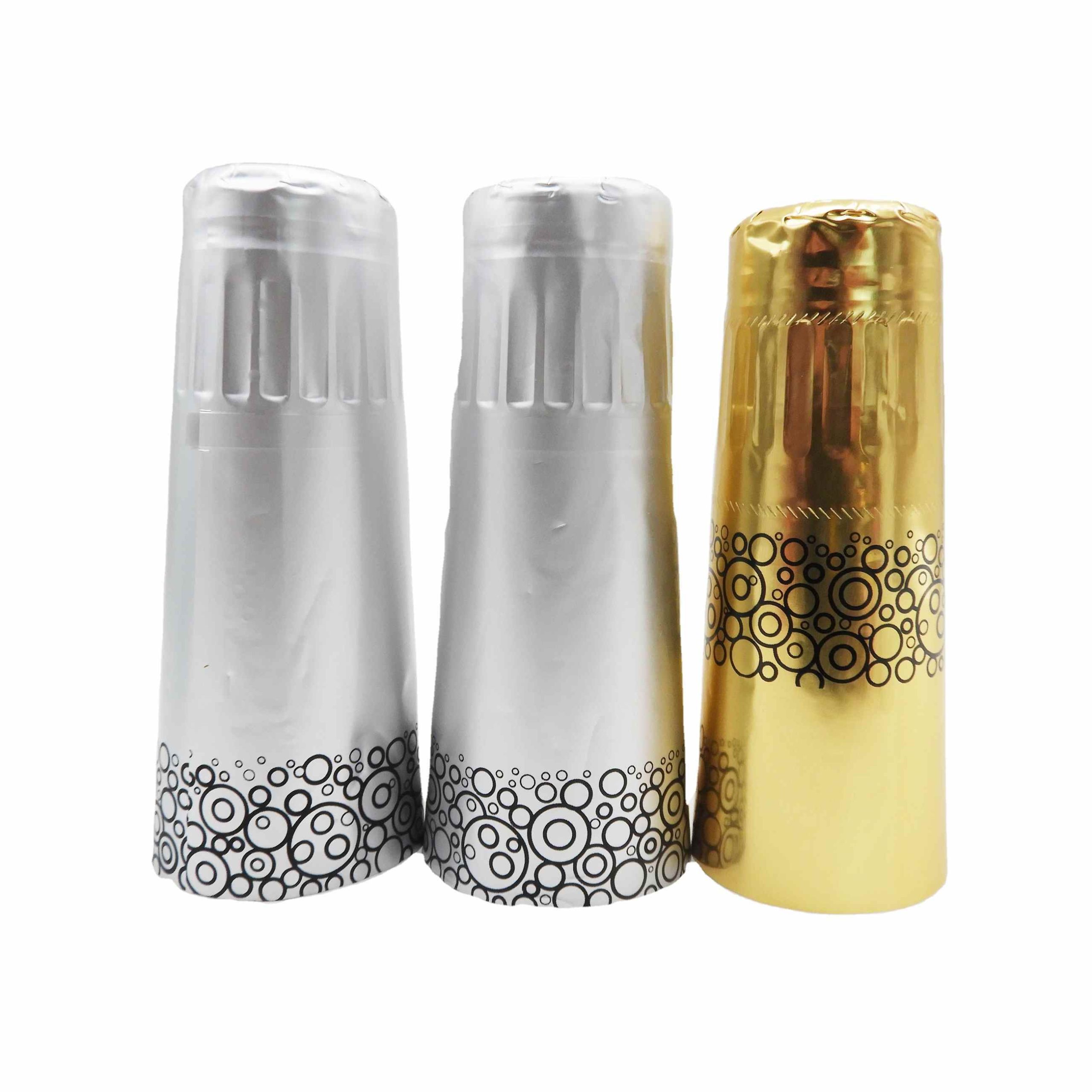
The end step joins tech care with art. Rubbing the face boosts eye draw without hurting the build strength. Raised art or prints let brands mix in signs or special plans smooth into their pack look. Same end work cuts rust chance. It removes bumpy faces that might catch water or weaken the seal’s push.
Why Is Choosing Quality Caps Crucial for Producers?
For those who make it, putting money into quality caps guards the good name of the product. It also keeps buyers happy. A low-grade top can bring rot, drips, or bubble loss. These troubles can hurt the brand’s view a lot in busy markets.
The Economic Impact of Cap Quality on Production Efficiency
Top closures help make work flow better right away. They cut waste from drips or breaks on fill lines. Sure seals lower pull-backs of products. They also cut money loss tied to them. Plus, they allow steady work over big spread nets. As time goes on, these better ways turn into big money saves. Makers who run world chains see this.
Consumer Perception and Brand Integrity
A nicely made cap shows close watch on details. This is a sign linked to top champagne names. Past just working needs, it adds to the rich open rite that buyers tie to fun times and high rank. Keeping same pack rules builds trust. It does this with sellers and final buyers both.
How Is Sustainability Shaping the Future of Champagne Cap Manufacturing?
Green ways now lead new thoughts in pack fields all over the world. This covers champagne making too. Makers more and more take up earth-smart habits. They do this without cutting quality or work marks.
Eco-Friendly Material Innovations
Aluminum blends that recycle well have grown common. They do this because they shrink the earth harm. Yet they keep the mechanic strength needed for drinks with pressure. Liners from polymers that break down offer green swaps to old fake mixes used before in seal jobs. Many makers now use full-circle recycle setups. These get back scrap metals made in build steps.
Energy Efficiency in Production Processes
Current plants use fresh energy like sun or wind force. This powers make jobs well. It also drops smoke from metal care steps such as soften or cover put-on. Tech for better steps cuts waste make in full runs more. This lines up work with world green badges. Top drink names want these for cleaner chain supplies.
Who Is Yantai Original Import and Export Co., Ltd in the Champagne Cap Industry?
Yantai Original Import and Export Co., Ltd has set up as a sure supplier. It focuses on strong-work champagne bottle cap fixes made for home and outer markets. The firm puts stress on lasting, exact building, and look fine points. These points are key to keep top sparkling wines’ true nature through their full life span.
Commitment to Quality and Innovation
Yantai Original Import and Export Co., Ltd makes use of new make tech. This makes sure of steady product work over different bottle needs in the world. Its goods cover tear-easy plans good for quick open with no tools. These suit pro wine servers and normal buyers both. And you can change features like heat stamps, print signs, and made-to-order size picks. These fit many bottle types with small start buy numbers from 5,000 pieces each style group (5000 pcs MOQ). These points make their goods draw well for small wine spots. They look for bendy but sure pack mates that stick to tight quality watch rules. These match world badges.
Conclusion: Elevating Champagne Through Superior Cap Design
The skill in keeping champagne fresh sits where stuff science meets careful making skill in each top’s plan. Picking better caps materials makes sure of strength in mechanics under push. While new end tech holds up look care that shows brand high stand. For makers set on green and top work, from big places to hand-craft growers, the pick of fine caps means not just work sure but a lasting word on give to old habits, new thoughts, and buyer joy.
FAQs
What is the ideal material for long-term champagne storage?
High-grade aluminum alloy or tinplate steel remains preferred due to exceptional corrosion resistance combined with capacity to maintain internal pressure over extended durations without deformation or leakage risks.
How can producers verify the quality of champagne caps before purchase?
Manufacturers should request comprehensive technical documentation including pressure-resistance test reports alongside physical sample evaluations conducted under simulated cellar conditions replicating long-term storage environments.
Are eco-friendly champagne caps as durable as traditional options?
Yes—modern recyclable alloys paired with biodegradable liners achieve equivalent strength levels compared with conventional alternatives while significantly reducing environmental footprint through sustainable production methodologies integrated within today’s advanced supply chains.


