

T-cork closures for premium spirits continue to demand careful evaluation in bottling operations where shelf impact, high-ABV sealing reliability, line efficiency, and scalable customization intersect daily. Bar-top stoppers hold their place across whisky, vodka, and gin production because the distinctive T shape delivers that satisfying pull, reseal capability, and visual cue of quality. The top material—plastic, wood, or metal—shapes much of the closure’s real-world behavior, from how it handles transport stresses to the way it influences brand perception on crowded shelves.
Plastic T-cork stoppers have steadily built momentum in this space. High-polymer plastic tops combined with synthetic shanks bring predictable tolerances and freedom from natural variability. Distilleries and bottlers working premium spirits lines often face the practical trade-offs between plastic’s operational edge, wood’s traditional warmth, and metal’s substantial luxury feel. This breakdown examines those differences through field experience, highlights performance drivers, and walks through the selection process that aligns with specific production and market demands.
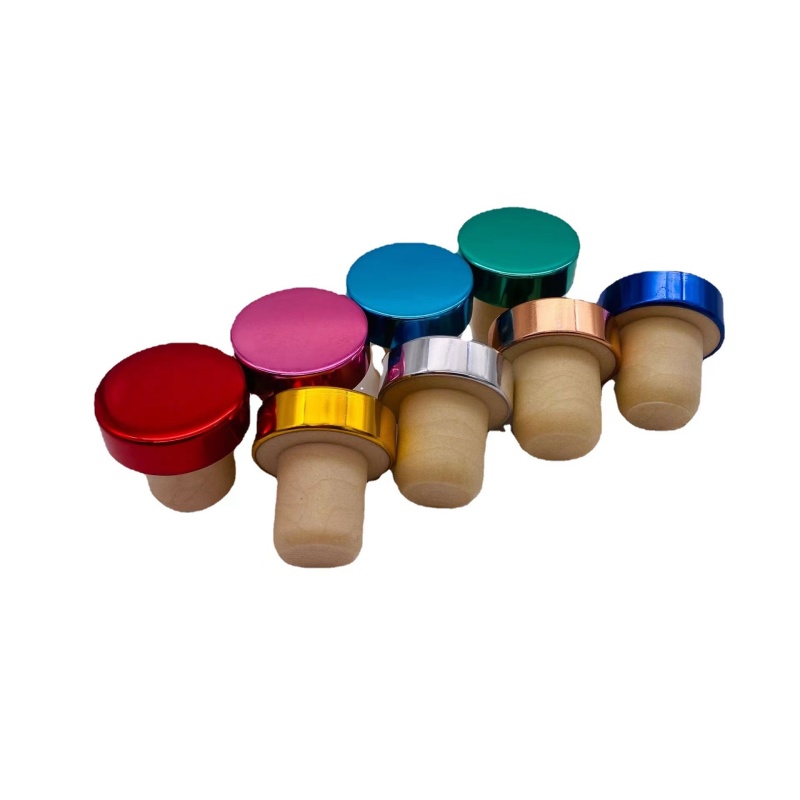
Understanding T-Cork (Bar-Top) Closures: Anatomy and Role in Premium Spirits
The basic structure stays consistent: a decorative top for handling and branding sits atop a sealing shank designed to compress into the bottle neck. Shanks come in natural cork, agglomerated, or synthetic/high-polymer varieties, while tops in plastic, wood, or metal dictate grip, weight, and aesthetic direction.
Premium spirits rely on these closures for more than containment. The resealable nature fits consumer rituals—especially in whisky where the deliberate open-and-close adds to the experience. Vodka and gin require the seal to protect neutrality and clarity without introducing defects. High-proof liquids expose any weakness quickly; minor evaporation or seepage during storage cuts into profitability fast. Branding potential lives in the top itself—through color coordination, logo placement, or finish choices that tie back to the overall package.
Standard shank diameters fall between 18.5 mm and 22.5 mm to suit common spirits neck finishes. Insertion force, rebound characteristics, and oxygen ingress rates shift depending on shank composition, directly affecting bottling throughput and long-term stability.
Head-to-Head Comparison: Plastic, Wood, and Metal Tops for T-Cork Closures
Plastic tops, molded from sturdy polymers, present clean, contemporary profiles. Finishes range from matte to high gloss, with colors available across the spectrum and embossing or printing handled efficiently on modest runs. Resistance to impact, cracking, or fading during handling stands out in practice—returns from cosmetic damage stay minimal. Light weight keeps freight costs in check on international shipments. Customization moves quickly and affordably, suiting craft producers running seasonal or test batches. In vodkas and gins, plastic tops support modern packaging directions with easy color matching to labels or botanical motifs, while maintaining taint-free consistency.
Wood tops draw on natural grain for an organic, artisanal impression. Staining, engraving, or hand-finishing enhances the tactile warmth that heritage whisky brands lean into. Variability in grain or density can show up as occasional cracking under humidity changes unless properly sealed or coated. Customization centers on shapes and detailed engravings rather than broad color variety, with sourcing and production cycles running longer. Aged spirits categories favor wood tops for the rustic association with maturation processes, though careful humidity control during storage becomes essential to avoid issues.
Metal tops, often zinc alloy, aluminum, or plated in gold, silver, or brushed tones, add noticeable heft and reflective shine. The solid feel communicates exclusivity on bar displays or in photography. Durability against drops and rough handling ranks high—cosmetic integrity holds through transit. The extra weight elevates perceived value but pushes up shipping expenses, especially in bulk export. Customization through plating, etching, or casting fits established premium lines with larger budgets, though prototyping timelines extend due to tooling needs.
Direct comparison clarifies the balances. Plastic tops deliver modern appeal, strong durability, and economical rapid customization for vodka, gin, and emerging whisky lines, even if the material sometimes reads less opulent. Wood tops supply textured tradition and engraving depth for heritage whisky and long-aged spirits, countered by grain inconsistencies and added care requirements. Metal tops provide polished weight and luxury signaling for top-tier whisky or gin, weighed against higher material and logistics costs.
Key Performance Factors When Choosing T-Cork for Premium Spirits
Airtight sealing remains paramount in high-ABV contexts. Synthetic or high-polymer shanks, regardless of top, maintain uniform compression that curbs evaporation—losses that build noticeably in warehouse holds spanning months. Natural shanks carry residual TCA potential, more disruptive in clear vodkas and gins than in layered whiskies.
Fit precision drives line performance. Shank diameter must correspond exactly to neck finishes—18.5 mm for slimmer bottles, 21.5 mm or 22.5 mm for robust whisky formats. Taper and length influence insertion smoothness and extraction effort; deviations cause equipment jams, loose seals, or higher scrap during quality checks.
Branding extends into user interaction. Plastic tops give smooth, consistent grip; wood adds textured engagement; metal contributes substantial presence. Coordinated tops amplify label impact, whether through matching hues or prominent logos.
Field stresses test resilience. Plastic and metal withstand temperature fluctuations in shipping better than uncoated wood, which risks warping. Lower defect rates and reduced rework in automated setups deliver measurable production savings.
Real-World Application: Which T-Cork Top Wins for Your Spirits Category
Heritage whisky operations frequently select wood tops to reinforce craftsmanship narratives. Combining them with synthetic shanks balances tradition against consistency demands, particularly valuable in export where climate variations challenge seal integrity.
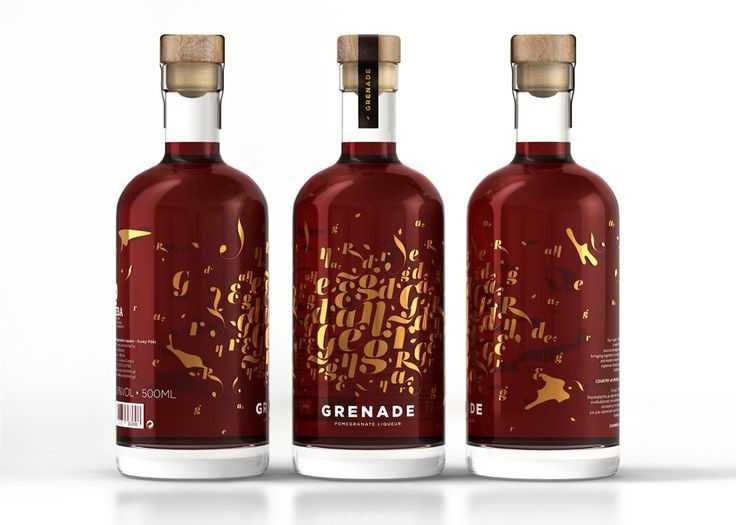
Vodka and gin producers prioritize plastic tops for sensory protection and design versatility. Taint elimination plus straightforward color options fit clean, contemporary aesthetics that differentiate in saturated segments. Craft runs benefit from quick iterations without heavy upfront costs.
Ultra-premium or collector releases turn to metal tops for exclusivity emphasis. The added heft and shine elevate positioning, though budgets must accommodate the premium pricing and transport impact.
Craft producers mix approaches—plastic for everyday SKUs, wood or metal accents on special editions—to manage costs while building variety.
Step-by-Step Decision Guide: How to Select and Implement the Right T-Cork Closure
Define requirements first. Weigh aesthetic goals—contemporary, traditional, or luxurious—against ABV, intended shelf duration, run sizes, and cost thresholds.
Align technical details next. Cross-check shank diameter and type with bottle neck specifications. Consult insertion-force data and trial against bottling machinery. Include top material in durability assessments for intended distribution paths.
Order samples promptly. Run leak tests under pressure and thermal cycling, monitor sensory holds, and evaluate insertion/extraction on real bottles. Execute pilot line runs to track rejection rates and speed.
Assess supply alignment. Identify partners with low minimums for development phases, comprehensive customization across colors, logos, and finishes, and verified food-grade standards plus traceability. Integrated cap-and-bottle systems cut compatibility headaches.
Roll out methodically. Track post-launch metrics—leak occurrences, evaporation trends, reseal feedback—and refine based on scale-up data.
Yantai Original carries over eight years of dedicated export experience in bottle closures. The range includes aluminium caps, aluminium plastic caps, plastic caps, and metal types, with particular attention to small-quantity adaptability and logo customization for brands at various growth stages. Complete packaging—closures matched with glass bottles from one source—helps avoid fit problems and secure leak-proof results. The process covers design through production and ongoing service, built on reliability, integrity, and shared progress to support spirits clients effectively.
Conclusion
The optimal T-cork top emerges from alignment with brand direction, liquid properties, bottling constraints, and distribution needs rather than a single superior material. Plastic tops advance steadily through dependable performance, swift customization, and cost control in modern vodka, gin, and craft whisky contexts. Wood tops sustain relevance in heritage whisky where natural texture supports storytelling. Metal tops command attention in ultra-premium applications through weight and finish. Systematic assessment across these dimensions equips distilleries and bottlers for improved efficiency, reduced issues, and sharper market presence heading into 2026 and further.
Frequently Asked Questions
How do I choose the right T-cork diameter for premium whisky bottles?
Compare shank diameter—usually 18.5 mm, 21.5 mm, or 22.5 mm—directly to bottle neck finish measurements. Insertion and pull-out tests on actual production bottles verify tight, leak-free seating without forcing or slippage.
Why might plastic T-cork tops outperform wood in vodka or gin applications?
Plastic tops remove natural variability and contamination risks, delivering uniform color options and durability suited to clear spirits that rely on flawless neutrality throughout distribution and storage.
Can custom logos be applied to metal T-cork tops for premium spirits?
Metal tops accommodate etching, plating, or embossed logos effectively. Tooling extends timelines compared to plastic, but the resulting metallic finish aligns well with high-end whisky or gin positioning.
What typically causes leaks in T-cork closures on high-proof liquor bottles?
Mismatched shank diameter, uneven insertion force, or inadequate shank rebound often lead to leaks. Synthetic shanks with tight tolerances, combined with proper bottle testing, resolve most instances.
Are plastic T-cork stoppers practical for small-batch craft spirits runs?
Plastic T-cork stoppers fit low-volume production through accommodating minimums and efficient customization in colors, forms, and logos, enabling craft operations to refine packaging without large-scale commitments.