


In beverage manufacturing circles, decisions on packaging materials hinge on a blend of durability, market appeal, and regulatory demands. Glass bottles maintain a stronghold in sectors like fine wines and specialty brews, where the material’s heft signals superior craftsmanship. Plastic, by contrast, dominates in mass-produced sodas and waters, prized for its resilience in transit and lower shipping burdens. As environmental standards evolve, this comparison gains urgency, drawing on production data and supply chain realities to guide selections between the two.
Understanding User Needs: Why Compare Glass and Plastic Beverage Packaging?
Beverage producers routinely grapple with aligning packaging to operational constraints and consumer expectations. Small-scale operations, such as craft spirit makers introducing new variants, require materials that safeguard taste profiles while fitting tight budgets for distribution. Larger entities handling vast quantities of fruit drinks prioritize options that endure stacking in storage facilities without escalating weight-related expenses. These practical challenges underscore the frequent evaluations of glass against plastic in professional discussions and online inquiries.
Sustainability emerges as a primary driver. Stricter controls on disposable plastics prompt examinations of each material’s ecological footprint. Research indicates that plastic containers occasionally outperform glass in transit efficiency, with reduced mass cutting fuel use by as much as 40 percent in certain logistics models. Glass, however, excels in repeated recycling, capable of reformation without degradation, in stark opposition to plastic’s tendency to weaken and fragment into persistent pollutants. Health considerations further fuel interest; potential migration of substances from plastic into contents, particularly when exposed to warmth, leads to preferences for inert alternatives.
Economic and performance aspects deepen the analysis. Glass commands higher initial investments, yet its upscale connotation supports elevated pricing strategies. Plastic facilitates swift assembly lines and adaptable forms suited to mechanized processes. Queries on “glass vs plastic environmental impact for beverages” often seek empirical support for transitions, while explorations of “advantages of glass bottles for drinks” tie into branding tactics. Such comparisons enable alignment of packaging with broader objectives, spanning from nimble startups to established firms pursuing eco-certifications.
Comprehensive Comparison of Glass vs. Plastic Beverage Packaging
Evaluating glass alongside plastic in beverage applications reveals distinctions in environmental effects, financial implications, structural integrity and safety, and preservation of product attributes. Each option suits particular contexts, influenced by the beverage category and production volume.
Environmental considerations begin with production demands. Glass formation involves extracting sand and fusing it under intense heat, resulting in elevated initial emissions. In use, though, glass demonstrates resilience through recycling—U.S. figures show around 33 percent recovery, with remanufacturing conserving roughly 25 percent energy over virgin production. Plastic, sourced from hydrocarbons, features a streamlined creation phase but faces disposal hurdles; global recycling stands at merely 9 percent, leaving residues that degrade into ocean contaminants. For items like effervescent drinks, plastic’s reduced density lowers shipment-related pollution—a load of plastic vessels could tip the scales at half that of glass counterparts, trimming carbon outputs significantly. Over extended periods, glass prevails in reusable frameworks, as evidenced by European programs boasting return rates exceeding 90 percent.
Financial profiles differ markedly. Plastic units cost 20 to 30 percent less to fabricate, owing to molding methods that scale efficiently. Mid-volume producers bottling daily runs benefit from diminished material and maintenance outlays. Glass, requiring exact shaping and cooling to avert fractures, elevates expenditures—tooling alone can inflate setup figures substantially. Market dynamics shift the equation: glass’s refined appearance permits premium charges, recouping costs in high-margin arenas like distilled liquors. In viniculture, glass predominates for its neutral interaction with contents, validating added investments for targeting discerning buyers. Investigations into “cost comparison of glass and plastic for beverage bottling” frequently highlight plastic’s fit for cost-sensitive bulk markets, whereas glass yields returns in specialized segments through enhanced valuation.
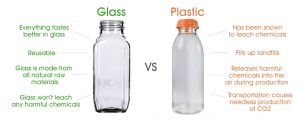
Integrity and protection warrant close scrutiny. Plastic’s pliability resists impacts, proving advantageous for pressurized beverages—consider stacks of carbonated products navigating uneven routes intact. Glass, prone to shattering, offers unparalleled non-reactivity; it avoids altering acidic or alcoholic mixtures, sustaining original characteristics. Safety risks with plastic encompass leaching in outdated compositions, though contemporary polyethylene terephthalate minimizes such occurrences. For thermal fills like herbal infusions, glass tolerates elevations to 200 degrees Fahrenheit without distortion, unlike untreated plastic. Producers addressing “breakage issues in glass beer bottles” may favor plastic for overseas shipments, but those concerned with “chemical migration in plastic packaging” opt for glass to uphold purity.
Product fidelity integrates these elements. Glass retains effervescence superiorly in sparkling varieties, its barrier preventing diffusion and extending viability—metrics suggest 20 percent improved containment over plastic. Optically, glass’s transparency highlights hues in infused liquids, bolstering retail visibility. Plastic permits novel contours, such as contoured handles for active consumption. In matters of “preserving flavor in beverage packaging,” glass frequently leads, vital for refined spirits where minute impurities from plastic could compromise lots. A holistic view, encompassing sourcing through decommissioning, determines the material’s alignment with enterprise priorities.
From a Supplier’s Perspective: Unique Advantages of Glass Packaging
Packaging providers observe glass’s capacity to transcend basic enclosure, enhancing beverage presentation through sensory qualities. In spirit bottling, the substantial feel and polished surface of glass convey artisanal merit, shaping buyer impressions at point of sale.
Customization stands out prominently. Glass can be molded into signature silhouettes that define identities—narrowed openings for controlled dispensing or raised motifs that reflect illumination. This derives from die-casting, where upfront commitments produce durable implements for uniform outputs. Differing from plastic’s standardized texture, glass accommodates enhancements like etching or tinting that harmonize with closures, yielding unified ensembles. Clients transitioning to glass commonly note sustained patronage, as the material’s elegance sustains markups 15 to 20 percent beyond plastic norms.
Chinese manufacturing networks bolster glass’s appeal. Access to abundant inputs and sophisticated plants facilitates economical yields without quality concessions. Expedited die development—typically completed in weeks—permits rapid prototyping, circumventing lags in disjointed international flows. Minimal order thresholds broaden availability; emerging ventures secure limited runs of tailored glass vessels with metal tops, expanding incrementally. This strategy alleviates stockpiling burdens, prevalent among nascent drink creators.
Closure reliability marks another asset. Glass apertures afford exact dimensions for lids, curtailing seepage in pressurized uses like fizzy refreshments. Providers stress unified approaches where vessels and seals coordinate initially, employing metrics such as helix widths to assure stability amid conveyance stresses. In fermented beverages, glass’s impermeable facade blocks air entry, safeguarding essences that plastic may permit to diminish. Instances illustrate: a nectar enterprise contending with taste erosion in plastic adopted glass, prolonging durability by months and widening outreach.
Glass packaging’s merits predominate in demands for robustness against ambient variables and elevation of marque prestige. Providers harness these to deliver bespoke remedies, ranging from reclamation initiatives to aesthetic advisories that transform enclosures into promotional instruments.
Actionable Solutions: How to Choose and Implement the Best Beverage Packaging
Determining between glass and plastic commences with scrutinizing the beverage’s traits. Assess if contents include corrosives prone to material reactions or gases necessitating firm containment. For tart concentrates, glass evades breakdown risks associated with select plastics, while for portable hydrators, plastic lessens haulage loads.
Incorporate logistics evaluations. Compute conveyance fees via basic indicators: glass consignments may double plastic’s mass, amplifying tariffs by 30 percent on distant paths. Procure trials from vendors to verify congruence; submit aperture specs for lid adaptation to forestall discrepancies causing drips. Seal assessments yield confirmation of retention under duress, critical for averting deterioration.
Deployment entails gradual integration. Initiate with trial batches—acquire modest volumes to measure reception sans overextension. Glass adopters explore reimbursable die schemes that credit fees upon volume milestones, softening ingress for novel entities. Embed green protocols promptly, such as alliances with reclaimers for cycle monitoring, attracting conscious patrons and fulfilling mandates.
Mitigation tactics encompass periodic reviews. Track fracture incidences in glass via fortified encasements, or apply fracture-proof layers. Plastic users select contaminant-free types and execute transfer assays to counter wellness queries. Analytical instruments, including lifecycle appraisals, quantify repercussions—programs simulate discharges from fabrication to termination, directing preferences toward diminished imprints.
Practically, a vineyard might deploy glass for its neutrality, commencing with bespoke configurations amplifying identity. Metrics could encompass revenue growth and diminished refunds from breaches. A fizzy drink fabricator preferring plastic concentrates on slender profiles to trim movement costs, documenting productivity advances quarterly. These measures convert theoretical contrasts into concrete enhancements, synchronizing enclosures with expansion trajectories.
About Yantai Original Package Co., Ltd
Yantai Original Package Co., Ltd operates from Yantai City in Shandong Province, establishing itself since 2017 as an integrated packaging entity. Positioned along the coast, it streamlines shipments to more than 50 nations. Concentrating on aluminum closures, glass vessels, and bespoke cartons, it covers comprehensive beverage requisites via mechanized lines yielding substantial daily capacities. Notable capabilities encompass adaptable order minima, enabling lesser marques to procure upscale personalization absent surplus holdings. Sophisticated methods like ultraviolet imprinting and relief stamping guarantee standout visuals, while component synchronization assures flawless integrations. Emphasizing oversight, from input examinations to ultimate seal verifications, the organization aids patrons in forging enclosures that bolster item wholeness and commercial allure.
Conclusion
The examination of glass against plastic in beverage enclosures discloses no absolute superior, but selections molded by distinct requisites in endurance, expenditure, and efficacy. Glass frequently surpasses in elite usages where fidelity and renewability prevail, whereas plastic accommodates streamlined, fiscal-conscious endeavors. Through balancing these against functional aims, enterprises secure materials that shield offerings and fortify standings. Informed choices foster enclosures that engage buyers and endure shifting sector norms.
Frequently Asked Questions
Is glass packaging more sustainable than plastic for beverages?
Glass packaging demonstrates robust sustainability for beverages through endless recyclability sans quality erosion, fitting for looped arrangements in areas with solid recovery systems. Contrasting plastic’s degradation and microparticle contributions, glass circumvents lasting ecological burdens, albeit its mass heightens conveyance discharges. For enduring green approaches, glass lessens dependence on fresh resources via effective reutilization.
What are the main cost differences between glass and plastic bottles for drinks?
Glass bottles typically entail greater preliminary expenditures from shaping and tooling, frequently 20 to 30 percent above plastic owing to power-heavy fabrication, yet they facilitate upscale valuations recouping outlays in refined spheres like distillates. Plastic furnishes economies via reduced-weight transit and expandable forming, apt for volume-intensive refreshments, though emerging levies on disposables may constrict disparities progressively.
How does glass compare to plastic in preserving beverage flavor?
Glass surpasses plastic in maintaining beverage essence by furnishing a neutral shield thwarting chemical exchanges or vapor passage, essential for aerated or aromatized varieties where slight adulterations impact palates. Plastic potentially admits faint aeration during prolonged keeping, inducing oxidation in vulnerable fluids like extracts, although barrier improvements in current blends alleviate this.
Why might my beverage leak more in plastic packaging than glass?
Seepage in plastic beverage enclosures may arise from pliancy inducing seal warps under strain, differing from glass’s firm framework upholding accurate dimensions for lids. Elements like thermal variances in processing or haulage intensify this in plastic, while glass’s uniform apertures secure firmer fastenings, mitigating hazards when matched with suitable inserts.
What factors should I consider when switching from plastic to glass bottles?
Transitioning from plastic to glass bottles necessitates weighing augmented mass for transit expenses, prospective fractures in manipulation, and gains in item clarity for taste-vulnerable refreshments. Appraise chain modifications, such as procuring bespoke dies with rebate mechanisms for expenditure retrieval, and examine congruence to evade complications, confirming the shift harmonizes with durability objectives and marketplace exigencies.


