


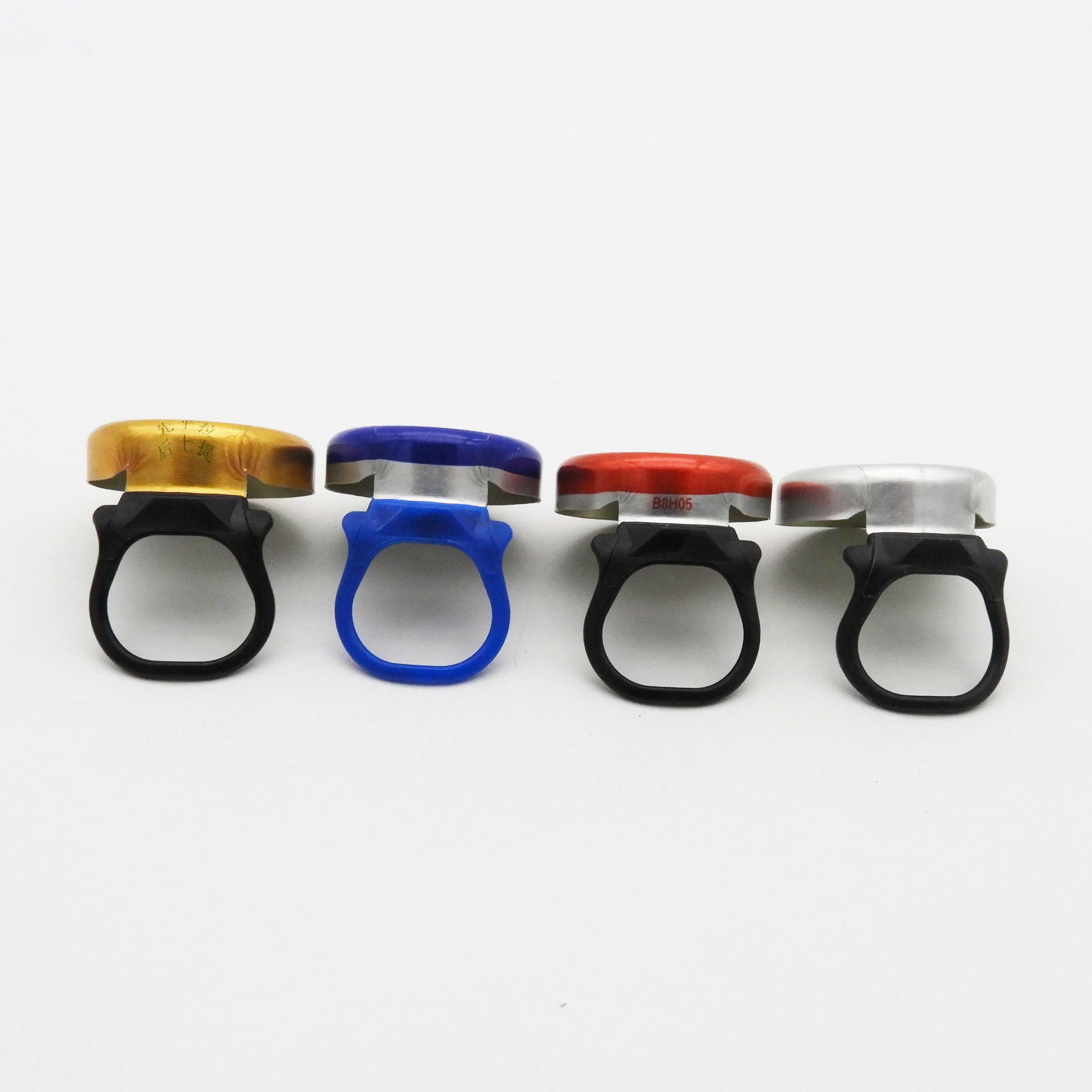
When selecting a 26mm aluminium ring pull cap you need to consider more than just matching a bottle end. For manufacturers of all beverages; beer, juice and soft drinks, the cap is an important aspect of the complete packaging solution. It has to provide adequate sealing, be easy to open and be suitable for use on high-speed filling lines. It is important that the cap does not detract from the fresh product taste. In this guide we detail the various key points to consider when selecting a 26mm aluminium ring pull cap. We then compare the needs of various beverages and highlight the benefits of using a quality cap manufacturer that can supply consistent, quality products for long-term.
What Factors Should Be Considered When Selecting a 26mm Aluminium Ring Pull Cap?
Choosing the right cap for beverages such as beer, juice and soda is very important for any beverage manufacturer. The design, quality of the material and the seal of a cap all have a significant impact on the quality of the beverage it contains and the consumer’s experience. 26mm aluminum cap is one of the most widely used as it fits most of the bottle necks used by the beverage manufacturers worldwide and is compatible with most of the automated bottling lines. Also aluminum cap is suitable for use with machines such as SACMI production lines which are able to produce up to one million caps per day.
Material Composition and Manufacturing Precision
High-grade aluminum is crucial for corrosion resistance and for good sealing. For drinks that contain carbon dioxide, such as beer and soda, food-grade aluminum is used to create a very light bottle closure that is also strong enough to withstand pressure. The precision of the manufacturing process is key when creating the thread on the cap, as it needs to fit precisely into the bottle neck to avoid cross-threading or deforming. In high-speed filling environments, precise thread geometry also allows for precise application of torque in order to achieve consistent and good sealing.
Compatibility with Beverage Type
Depending on the beverage different requirements are put on the ring pull cap. Beer packaging in particular requires high internal pressure to preserve the carbonation during storage and transport. This has to be resisted by the 26 mm ring pull cap made of aluminum without any deformation or leakage.
We know that packaging juice products needs to protect the product from oxidation and flavor degradation. Therefore we recommend caps with oxygen barrier liners such as thermoplastic elastomer (TPE) gaskets. For carbonated soft drinks and sodas we require tight sealing to prevent loss of carbon dioxide and easy opening for the consumer. This requires a ring pull which must open smoothly even when under internal pressure.
Sealing Performance and Leakage Prevention
The integrity of beverage packages greatly depends on the liner in the cap. TPE liners are one of the most common materials used as liners in aluminum cap applications. Their elasticity, chemical stability and strong adhesion to aluminum make them the ideal material. The most important feature of a TPE liner however is the compression strength, which has to be sufficient to ensure a perfect contact between the liner and the bottle neck ring during capping.
By minimizing leakage by controlling the torque applied during capping to the limits set out in the relevant bottling specification, uniform force is applied to the caps and bottles necks by automated capping machines. Using a 26mm cap, the bottle remains sealed during storage and distribution.
How Does Design Influence Functionality and Consumer Experience?
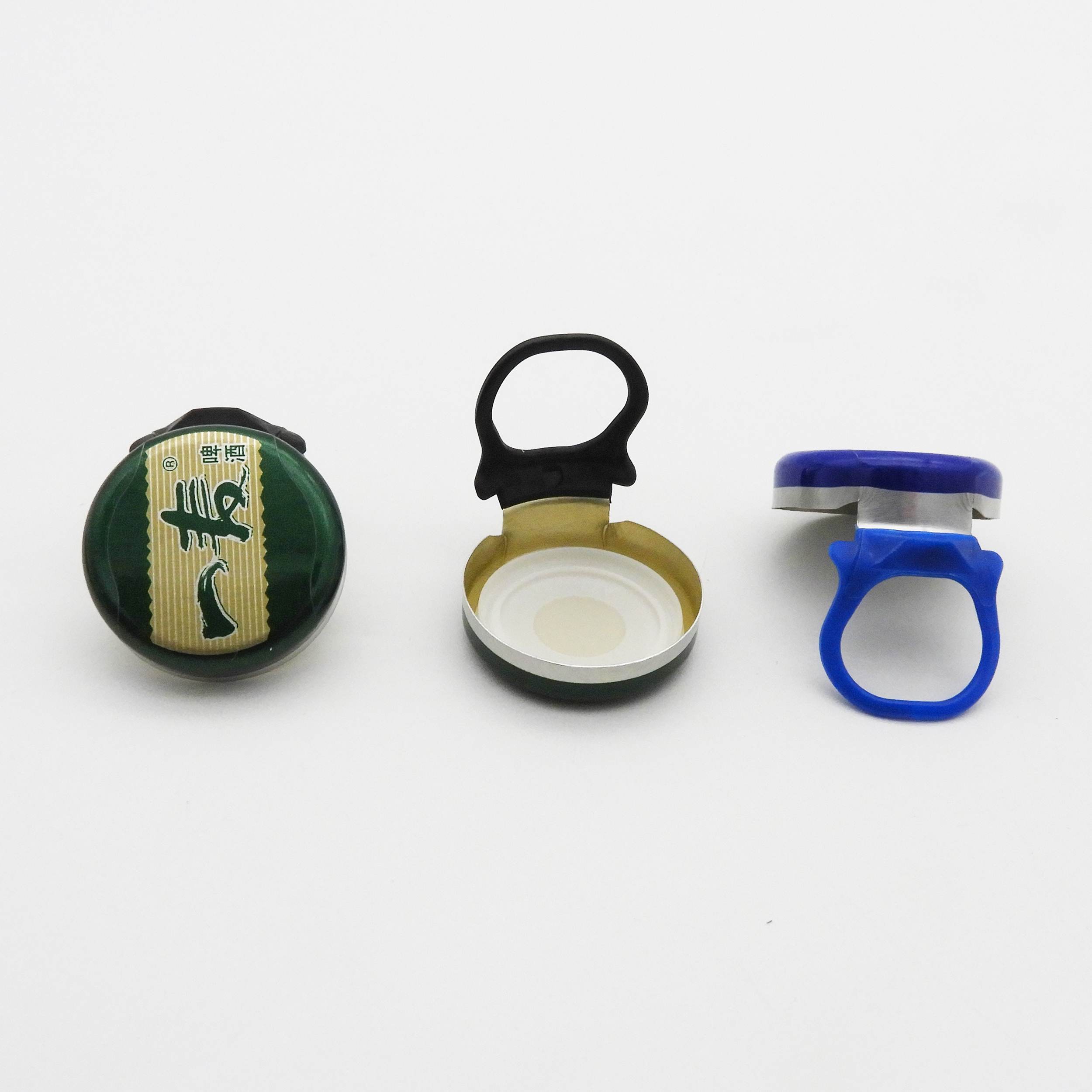
Small details in the design of a 26 mm aluminium ring pull cap can have a huge impact on how efficiently it is produced and how it is interacted with by the consumer. It can affect the use, safety and image of a brand.
Structural Design Considerations
The geometry of the pull tab and the functionality of the tab when opening the bottle has been a critical factor in the design to ensure that the bottle can be opened easily without excessive force or deformation. The reinforced ring structure of the tab also provides good mechanical stability when transporting bottles in bulk packaging, minimizing the risk of deformation under load.
By smooth finishing the edges of bottles also greatly enhances tactile sensitivity and also avoids the risk of injury when opening, an aspect that is very critical in high-volume distribution markets to protect consumer safety and the company’s image and reputation. The constant structural design of SACMI also guarantees optimal compatibility with automated bottling lines to minimize any risk of stoppages and maintenance caused by possible alignment problems.
Aesthetic and Branding Opportunities
Aluminum caps are also used as branding items. In addition to custom embossing, caps can also be printed digitally on the cap surface. Also color anodizing offers the possibility of long-lasting colors which do not fade due to UV-radiation or moisture.
In order to keep products looking the same within a batch number as well as from batch to batch, a uniform look is created for customers at point of sale to help reinforce branding. Premium drinks use matte finishes or metallic colors to their 26mm ring pulls to extract a premium feel from their beverages.
Why Is Quality Control Critical in Aluminium Cap Production?
Each 26mm ring pull cap produced is subject to strict quality control to ensure that they meet the required standards of mechanical strength, hygiene and dimensional accuracy to guarantee the packaging integrity of beverages.
Inspection Standards During Production
To verify the dimensional accuracy of caps of 26 mm nominal diameter, we use automated optical measuring devices. In the liner adhesion test, the cap is exposed to thermal stress, similar to that in pasteurization or cold filling, in order to check the sealing capability.
We check for defects by means of a random sampling procedure before a large delivery is shipped out. In this way, we can prevent defects like incomplete forming or contamination of the surface of the rubber, which can impair the sealing properties and the look of the article.
Compliance with Industry Regulations
For applications where the aluminum cap will come into contact with food, all caps must fulfill the same safety standards worldwide, such as the requirements of FDA and EU regulations regarding material migration and hygiene. The traceability of the raw material purchased through to finished packaging is documented for every production batch.
Third-party certifications, like others, boost the confidence of buyers such as breweries, juice manufacturers and soft drinks producers. They rely on other parties and want to have assurance of consistent good quality all over the world.
How to Match the Right Cap Supplier for Long-Term Cooperation?
Selecting a reliable supplier is fundamental to ensure production efficiency in the long term and maintain the quality of the offered beverages.
Evaluating Supplier Capabilities and Expertise
A qualified supplier should demonstrate scalable production capacity suitable for large-volume orders—such as daily outputs exceeding one million pieces using fully automated SACMI lines. Reviewing technical documentation ensures compliance with international beverage packaging norms regarding dimensions, coating materials, and liner compositions.
Suppliers that offer R&D collaboration are able to provide customers with customized solutions for their specific product needs. For example, the optimal gasket hardness for TPE would depend on the level of carbonation in beer versus in soda.
The Role of After-Sales Service and Technical Support
Continuous technical support after sales is crucial for our customer’s production needs. We are always ready to assist our customer in incorporating new cap design into their current filling equipment line. We also respond promptly to any quality related issues to minimize production downtime while gaining customer confidence.
Also Supplier training programs are available to further educate plant personnel on optimal operation of capping machines to enhance plant line efficiency when running multiple products, with changeovers on an as needed basis to support plant objectives.
Who Is Yantai Original Import and Export Co., Ltd?
Yantai Original Import and Export Co., Ltd is a manufacturer that specializes in producing Aluminium Ring Pull Caps for beer, juice, soda, and any other carbonated beverage. As a leading supplier of aluminium ring pull caps, the company makes use of advanced automated production lines, consisting of a full SACMI system. The plant is able to meet the daily demand of one million aluminum ring pull caps, all of which are precision-engineered into 26mm aluminum-plastic ring pull caps fitted with TPE liners to suit a wide variety of drinks. With many years of export experience and rigorous quality control measures in place to comply with global packaging standards, Yantai Original Import & Export Co., Ltd is able to offer flexible aluminum ring pull cap design to meet clients’ branding needs and distribute to markets worldwide.
What Are the Emerging Trends in Aluminium Ring Pull Cap Development?
The beverage closure market continues to innovate and move in the direction of enhanced sustainability and smart functionality to deliver additional value to both the environment and the consumer.
Sustainable Material Innovations
By implementing lightweighting, it is possible to reduce the use of raw materials whilst maintaining the necessary strength to hold carbonated drinks such as beer and soft drinks. Recyclable coatings on 26mm aluminum ends support the Circular Economy by facilitating recycling and by preventing contamination of mixed-material ends.
Smart Packaging Integration Possibilities
Some trends in digitalization are of opportunity to us, for example the QR-coded ring pull caps. These allow traceability of all the products through the factory, through the distribution channels to the retail shelves. But also for interactive marketing campaigns. Customers can scan the QR-code on the ring pull cap on a can of beer and are directly linked to the brand content on the brand’s website or on the brand’s social media channels by using their smartphones.
Recent packaging designs, often incorporated with Tamper Evidence technology, can help assure product authenticity, particularly for premium drinks that face threat of counterfeiting all over the world and require assurance of brand trustworthiness.
Conclusion: Key Takeaways for Choosing a 26mm Aluminium Ring Pull Cap
Selecting an appropriate 26 mm aluminium ring pull cap requires balancing engineering precision with functional aesthetics to guarantee optimal sealing integrity across different beverage categories including beer, juice, and soda. Attention should focus on material composition (such as corrosion-resistant alloys), liner selection (like TPE gaskets), manufacturing accuracy compatible with high-speed filling equipment (e.g., SACMI automation), supplier reliability offering consistent quality assurance programs, and forward-looking innovations emphasizing recyclability or digital connectivity features supporting modern branding strategies within competitive global markets.
FAQs
What is the standard size tolerance for 26mm aluminium ring pull caps?
The typical dimensional tolerance for such an article would be in the order of ±0.1 mm to allow for a reliable and accurate fit to standard bottle necks found on Beer, Juice and Soda packaging lines.
Can aluminium ring pull caps be customized for different branding requirements?
Yes, there are many manufacturers that can offer custom colors, embossed logos, printed logos and more to match your corporate identity while maintaining the necessary structural integrity to meet pressurized requirements.
How should aluminium ring pull caps be stored before use?
Empty caps must be stored in a dry environment at room temperature and should not be exposed to direct sunlight or moisture. This must be done prior to bottling to prevent oxidation. They must be stored in such a way to ensure a clean and hygienic environment throughout the entire handling process.


