


In packaging work, bottle caps are often chosen late. Sometimes very late. After the bottle is fixed, after the label is approved, and occasionally after production timelines are already locked in.
That sequence feels harmless. Until it isn’t.
In real projects, closures tend to expose problems that other components hide. A bottle can look perfect on the line and still leak after two weeks in transit. A cap can pass initial testing and then behave differently once temperature, pressure, or storage time change. People who have dealt with beverages or spirits at scale usually learn this the hard way.
This article is not a checklist. It is closer to how decisions are actually made when teams are trying to avoid mistakes rather than just ticking boxes. If you are looking for a practical bottle cap selection guide, this is where the thinking usually starts.
Why Bottle Cap Selection Rarely Stays a “Small Detail”
A bottle cap does one obvious job: it closes the bottle. But in production, that is only the visible part.
The cap controls how pressure is handled, how oxygen moves, and how consistent the opening experience feels months later. It also decides whether small tolerance issues turn into complaints or stay invisible.
Most packaging teams do not think about this upfront. They notice it later, usually when returns show up or when distributors start asking questions. That is why experienced buyers treat bottle cap selection as a preventative decision, not a cosmetic one.
Start With the Product, Not the Cap
When people ask how to choose bottle caps, they often expect to compare types or materials first. That usually comes too early.
What matters more is the liquid. Carbonated drinks behave differently from still beverages. High-alcohol spirits interact with liners in ways water never will. Some products sit on shelves for months, others move quickly. These differences quietly eliminate many options before design even enters the conversation.
Manufacturers who have seen real failures tend to ask about filling temperature, pressure, and shelf life long before they talk about decoration. There is a reason for that order.
Compatibility Is Where Most Problems Start
One of the most common assumptions in packaging is that “standard” means interchangeable. In reality, bottle finishes vary more than people expect.
Thread dimensions, neck height, and tolerance ranges all affect how a cap performs. A closure that feels fine during trial runs can loosen slightly after vibration or thermal change. That gap is where leakage begins.
This is why serious bottle cap manufacturer selection often involves drawings or physical samples. Fit is verified, not assumed. It sounds basic, but skipping this step is still surprisingly common.
Material Choices Are About Behavior, Not Preference
Plastic caps are widely used because they are efficient and cost-friendly. For many applications, that is enough. But plastic also responds more noticeably to heat, pressure, and time.
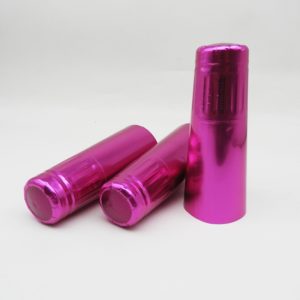
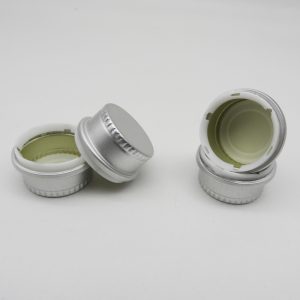
Metal and aluminum bottle caps tend to be chosen when stability matters more than marginal savings. They hold shape, resist corrosion, and support more consistent liner performance over long storage cycles. That is why they show up so often in spirits, wine, and export-oriented beverages.
The “plastic vs metal bottle caps” question is rarely ideological. It is usually about what the product can tolerate without creating follow-up work.
The Liner Is Quietly Doing Most of the Work
Caps get the attention. Liners do the heavy lifting.
Liner material determines how the closure reacts to pressure, alcohol, and temperature change. A liner that works well for juice may struggle with carbonation. Alcohol introduces another set of variables that are easy to underestimate.
This is also where a good bottle cap supplier adds value. Not by offering more options, but by narrowing them down based on real use cases rather than theory.
Regulations Change the Conversation Quickly
Some projects allow flexibility. Others do not.
Tamper evidence, child resistance, and material compliance are not optional in certain markets. Once regulations apply, design becomes secondary. Teams that overlook this early often end up redesigning later, usually under time pressure.
That is rarely efficient.
Custom Bottle Caps: Useful, Until They Aren’t
Custom bottle caps can work very well. They help products stand out and add a tactile element that labels alone cannot deliver.
The problems start when customization is treated as decoration instead of part of the closure system. Heavy embossing, complex finishes, or aggressive color treatments can introduce variability if they are not aligned with manufacturing realities.
The custom projects that succeed tend to be specific, not ambitious. One clear idea, executed cleanly, usually performs better than a cap trying to do everything at once.
Manufacturing Reality Matters More Than Descriptions
From the outside, cap manufacturing looks straightforward. Internally, it is not.
Injection molding, forming, lining, printing, and testing all introduce small variables. Good manufacturers control these through torque tests, sealing checks, and visual inspection. Better ones catch issues before production instead of after complaints arrive.
This is where experience shows. Not in brochures, but in what problems never happen.
Choosing a Bottle Cap Supplier Without Overthinking It
Price is easy to compare. Reliability is not.
A bottle cap supplier who asks uncomfortable questions early is usually easier to work with later. The same goes for manufacturers who are open about limits, lead times, and liner behavior.
Flexibility also matters. Especially for brands running multiple SKUs or testing new products, rigid systems tend to create friction faster than they create efficiency.
Where Yantai Original Fits in Practice
Within this landscape, Yantai Original operates less like a catalog and more like a technical partner. Founded in 2017, the company combines aluminum cap production with glass bottles and secondary packaging, reducing the guesswork that often comes with multi-supplier sourcing.
Their approach emphasizes dimensional verification before production and supports flexible order volumes. For teams trying to scale without locking themselves into excess inventory, that balance tends to matter more than headline capacity numbers.
Conclusion
Choosing the right bottle cap is rarely about choosing the “best” option. It is about choosing the one that causes the fewest problems later.
When cap selection is treated as an early decision, many issues simply never appear. When it is delayed, those same issues usually show up at the worst possible moment.
FAQs
How do most bottle cap problems actually begin?
Usually with assumptions. Assuming compatibility, assuming liner behavior, or assuming that what worked once will work again under different conditions.
Is there a simple bottle cap selection guide that works for every product?
Not really. The most reliable guides focus on understanding the product first, then narrowing options based on behavior, not labels.
Are custom bottle caps realistic for smaller brands?
They can be, as long as the manufacturer supports testing and flexible volumes. Custom does not have to mean risky.
What should matter most when choosing a bottle cap supplier?
Clear technical communication and willingness to verify fit. Those two factors prevent more issues than branding or price ever will.
How does bottle cap manufacturer selection affect long-term cost?
Mistakes tend to compound. A reliable manufacturer reduces hidden costs tied to leakage, rework, and lost trust over time.


