


The global spirits industry is still fighting a number of issues including product fraud, refill scams and counterfeiting. Whilst premium whiskies and tequilas continue to grow strongly in key international markets, an effective packaging security solution is becoming an increasingly important brand protector for many owners. The innovative non-refillable aluminium plastic cap (NRPC) is fast becoming the premium spirits closure of choice due to its high level of mechanical security as well as its premium appearance. This article looks at how NRPCs can protect brands and ensure consumer safety.
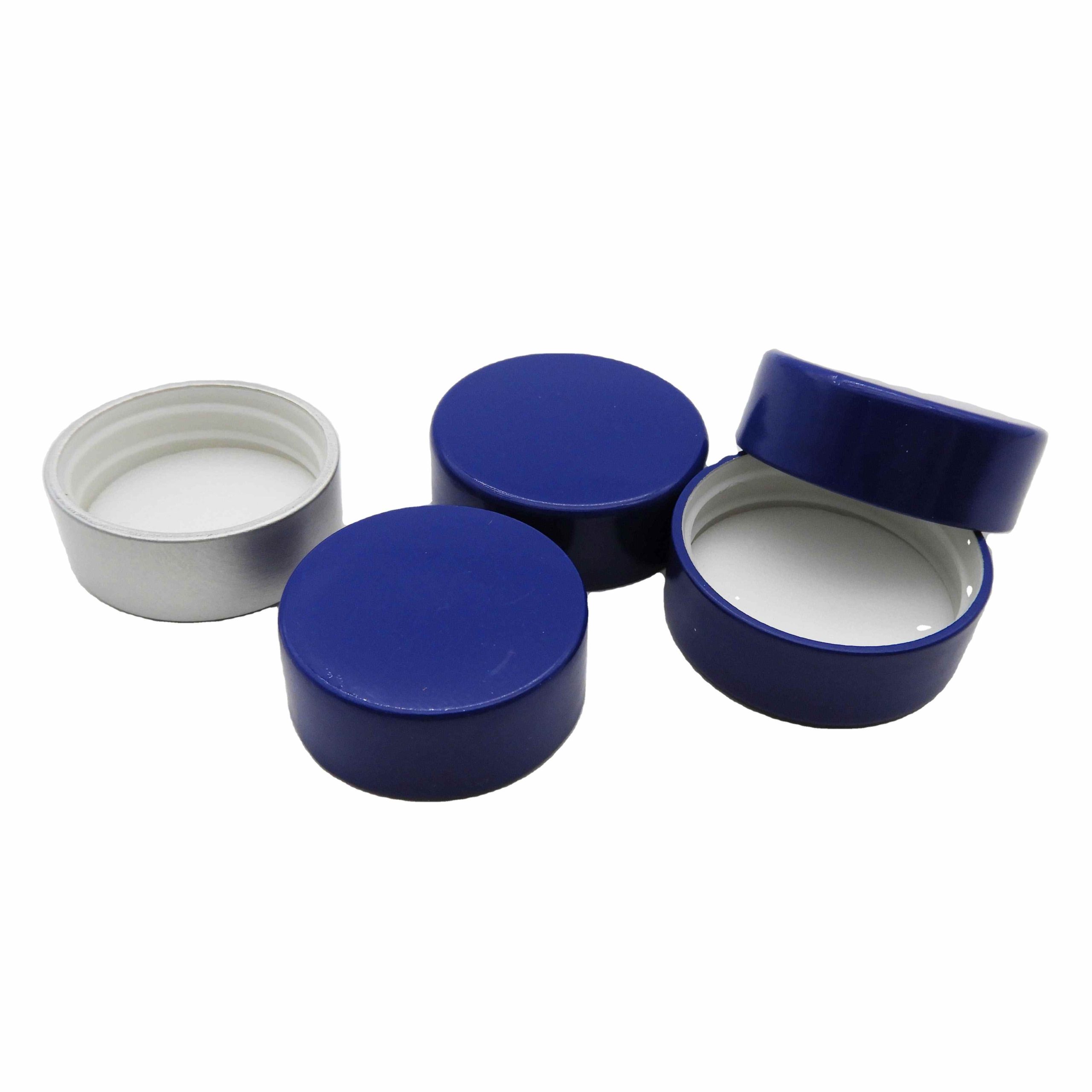
Why Are Non-Refillable Aluminium Plastic Caps Essential for Whisky and Tequila Brands?
Our Non-refillable aluminium plastic caps have been specially designed to not allow to be refilled once the bottle has been opened. These caps, made from metal and precision polymer components, have been fine-tuned to ensure mechanical security and premium appearance, therefore are ideal for high-end spirits such as whisky, tequila, vodka, rum and liqueurs. The caps are Tamper-proof and allow a brand to maintain consistency across the world while providing durable closure to their premium products.
Key Features That Prevent Refill Fraud
The fundamental feature of non-refillable aluminium plastic caps lies in their internal valve system. Once the cap is removed, the internal mechanism blocks any reverse liquid flow, effectively eliminating the possibility of refilling bottles with counterfeit alcohol. This structure ensures that once a consumer opens a bottle of whisky or tequila, it cannot be resealed or reused for fraudulent purposes.
Tamper-evident bands offer visible evidence of a bottle having been opened. When a tamper-evident band is pulled off a bottle, it leaves a clear indication that someone has opened it. Many products, especially those for export such as tequila and scotch whisky, use these visible indicators to ensure consumer confidence to pass through various channels of distribution.
Durability is another fundamental quality for us. As well as sealing and performance in storage, our valves have to withstand long sea voyages and the associated risk of humidity in tropics and coastal regions. Our aluminum and food-grade plastic components are highly resistant to corrosion. The quality of our valves is not compromised during transport.
Aesthetic and Branding Advantages
The bottle caps made of aluminium plastic are also an important part of the brand appearance. The caps can be embossed, coated in color or with metallic coatings to suit each spirit brand. The metal sheen of aluminum caps provides a nice contrast to the clear glass and weight of high-end bottles of whisky, tequila and other spirits.
By integrating laser marking or QR codes into packaging, brand interactions can be further enhanced and consumers can trace packages online in real time. Consumers can also verify authenticity in real time or be prompted with special offers whilst scanning the packaging on their smart phone.
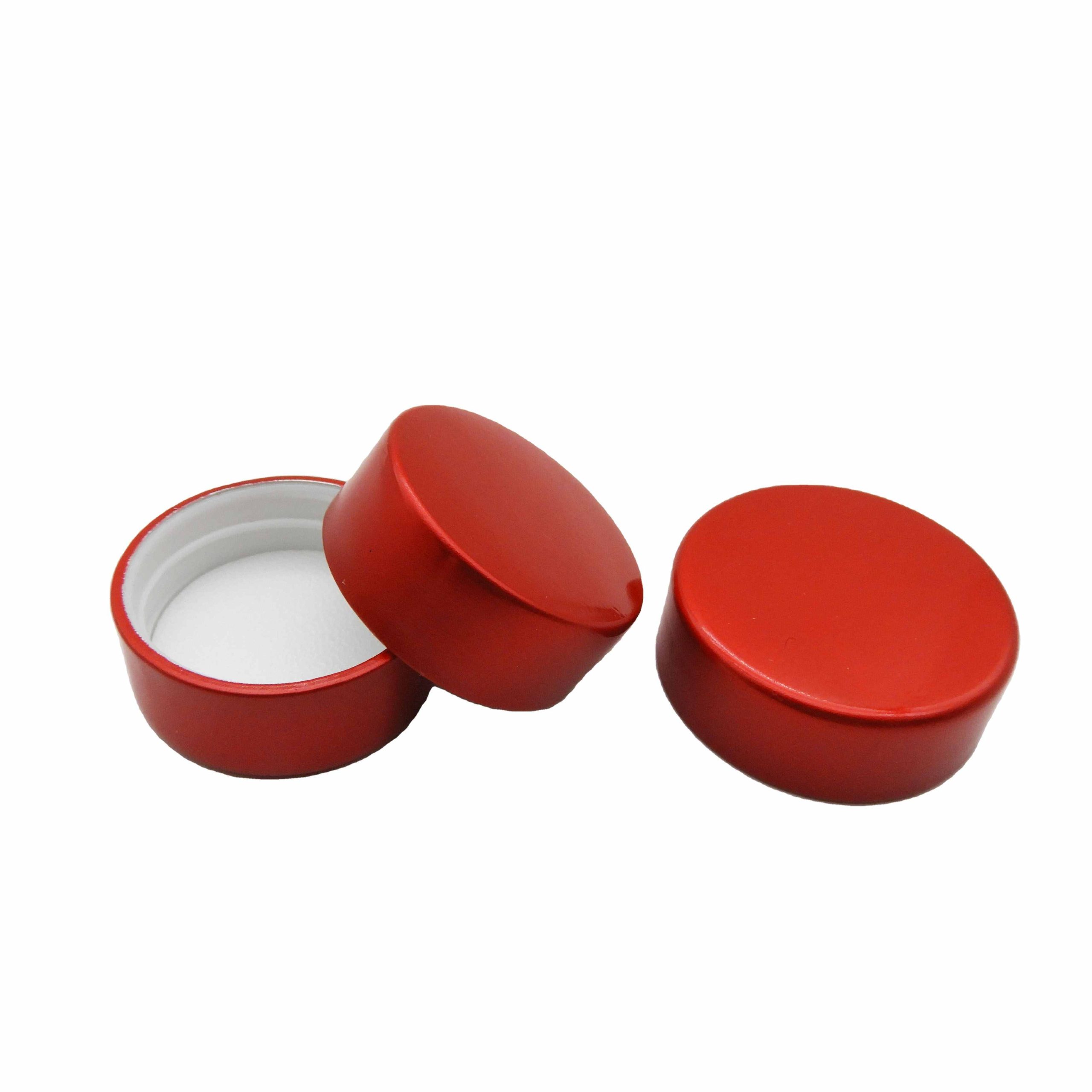
How Do GPI Caps Enhance Security and Functionality in Spirit Packaging?
GPI (Glass Packaging Institute) threaded standards are established to allow for precise glass neck finishes to match appropriate bottle caps and corks. For whisky bottle caps and for tequila packaging, the two most used sizes are the 28/400 GPI and the 33/410 GPI sizes used in international bottle packaging.
Compatibility with Common Bottle Neck Sizes
28/400 GPI caps are typically used for smaller-sized spirits, such as miniatures or sampling bottles. These caps offer very tight sealing which enables controlled dispensing. This is particularly relevant for tasting kits and travel retail packs.
33/410 GPI caps are specifically designed for standard whisky and tequila bottles. The deeper cut of the threads on these caps provide a better grip when capping by hand, and also allow for consistent torque on filling lines that are automatically capped. These caps can be hand-twisted onto bottles in the field, making them ideal for small distilleries that may not have a machine to seal their bottles. Also a good choice for the craft distiller that needs to have the ability to cap their bottles by hand from time to time.
The fit between the threads of the closure and the neck of the bottle is crucial in preventing leakage while the bottle of spirits is being stored or transported. The exact dimension of the threads will guarantee that rum, vodka and liqueurs retain their flavor for the entire shelf life.
Security Integration in GPI Standards
The precision of the thread on non-refillable products is crucial in achieving accurate alignment of the product’s mechanism to the bottle opening when capped. Many cap types feature anti-twist locking rings that secure the cap in place preventing unauthorized removal and indicating evidence of tampering. Typically, there is no visible signs of tampering when attempted.
Consistent thread also improves the efficiency in production in large distilleries with automated bottling lines. It ensures that all bottles are closed correctly, are safe for distribution, and meet the quality standards before they are shipped out. Consistent thread eliminates downtime caused by closure that is not aligned with the neck of the bottle.
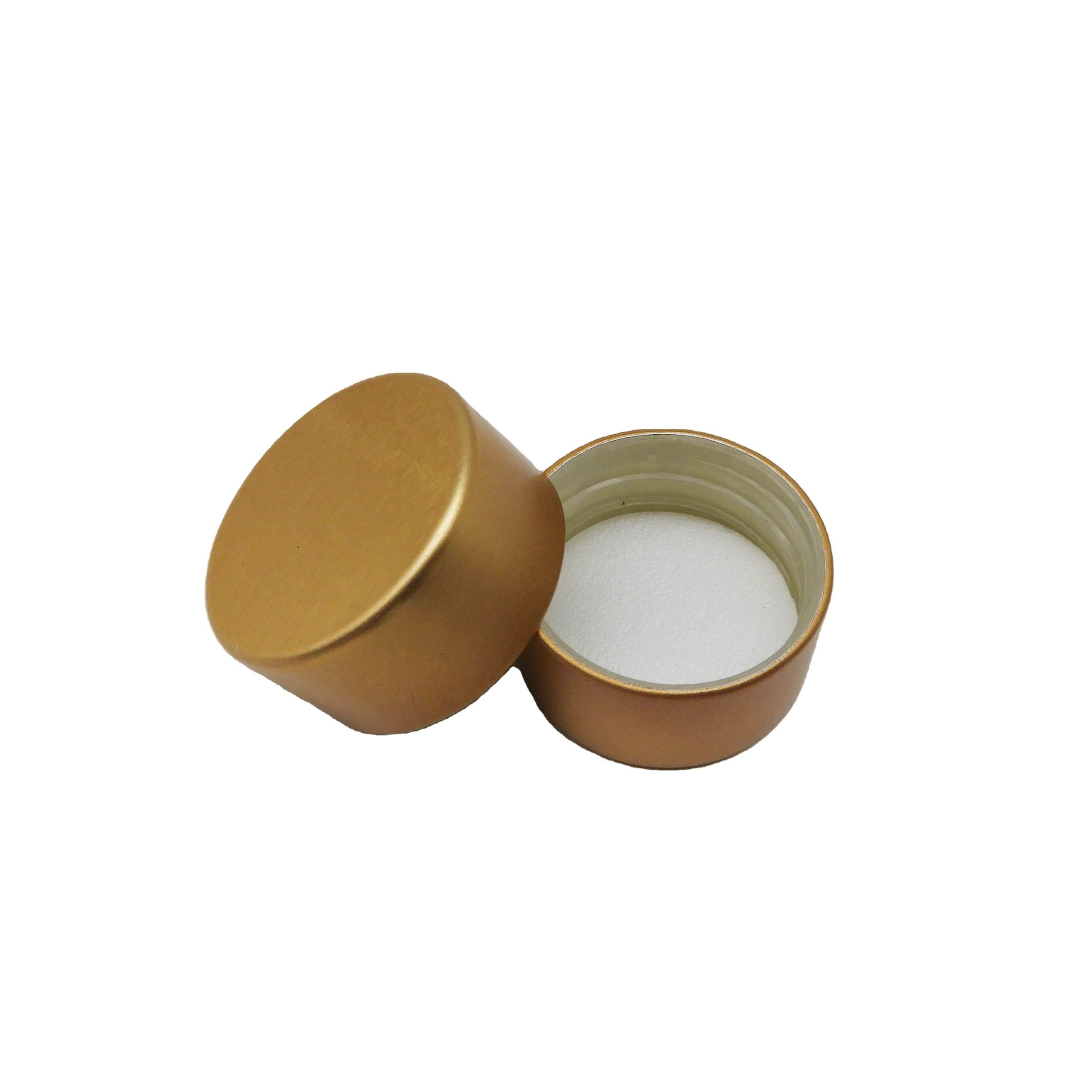
What Role Do Aluminium Plastic Caps Play in Reducing Counterfeit Risk?
Fake alcohol is still a big problem worldwide and is exported to countries where traceability is hindered by parallel trade. A non-refillable aluminium plastic cap functions as a physical barrier to tampering and at the same time it is a digital gate for the authentication system.
Application Scenarios Across Spirit Categories
Whisky: Non-refillable aluminium plastic caps are commonly used for single malt scotch, blended whiskies and bourbons. These caps allow the whiskey to be stored for long periods of time without losing its aroma.
Tequila: In popular tourist destinations where the risk of counterfeiting is high, these stoppers protect the high-quality spirit made from agave from being watered down with base liquids or substituted with a lower-cost product.
Vodka & Rum: Many export-oriented brands in the segment of premium spirits use the closures mentioned above in order to maintain quality while at the same time underscoring the luxury look of their products through the use of metallic finishes.
Liqueurs & Craft Spirits: Limited production runs by boutique distilleries can be made in customized versions by laser engraving or coloring the anodizing to create true special editions that cannot be refilled.
How Are Whisky Caps Evolving with Modern Packaging Technology?
Innovations in technology continue to transform whisky caps. Rather than merely sealing a bottle within a larger supply chain, modern caps can now incorporate elements of materials science and cutting edge authentication technology.
Advances in Material Design
Lightweight aluminum alloys used in our closure manufacturing enable packaging to be lighter than had traditionally been made with heavier metals. The reduction in weight brings down the total shipping cost without compromising strength to withstand torque stress during filling. Inside every cap are used food-safe polymers that are resistant to the effects of ethanol and that will prevent any chemical leaching into the spirit. This is critical to premium products made of single malt whisky and añejo tequila.
By using improved methods of crimping, constant sealing force is achieved on all GPI neck sizes (28/400 and 33/410 mm) even when temperature changes occur during transport from the distiller to the distributor.
Why Do Leading Distilleries Choose Yantai Original Import and Export Co., Ltd as Their Aluminium Plastic Cap Supplier?
Yantai Original Import & Export Co., Ltd. is a well-known manufacturer in the world supplying the non-refillable aluminum plastic caps for the spirits market. Our caps are suitable for the spirit bottles, such as the whisky, tequila, vodka, rum and the liqueur etc. which are in 28/400 GPI neck finish or 33/410 GPI neck finish.
Their facilities are geared towards strictly monitoring the production of their bottle caps to ensure accurate threading within micrometric measurements to avoid any leakage during shipping to other countries. The surfaces of their caps are also finished uniformly even during mass production. The caps are tamper-proof and are customizable with embossed logos, anodized colors, matte finishes and even laser etched designs – a premium branding tool used by top distilleries all over the world.
Furthermore, Yantai can provide bottles with flexible twisting applications, without the need of crimping machines and can be hand-twisted to be leak-proof to meet export packaging standards of top grade Beverage companies around the world.
What Future Trends Are Shaping the Use of Aluminium Plastic Caps in Spirits Packaging?
Growing awareness about authenticity among consumers drives innovation in closure technology for premium beverages worldwide.
Sustainability Considerations in Cap Design
New recyclable aluminum plastic composites for packaging are currently being developed by manufacturers that aim to reduce environmental impact and at the same time prevent counterfeiting. The lightweight design of new packaging types not only results in lower material consumption but also leads to lower CO2 emissions in logistics. This is particularly important for global distilleries who are seeking to obtain a sustainability certificate.
In the beverage packaging market initiatives to increase the level of recycling are also contributing to the companies’ Circular Economy compliance. More and more environmentally aware ‘green’ consumers are taking the environmental impact of companies into account when making their purchasing decisions.
Expansion Into New Market Applications
The use of the Tamper Evidence cap is not limited to whiskies and tequilas and we have recently seen adoption from a number of the Craft Gins on the market who require a high end cap and also a high level of anti tampering assurance. The use of our resealable cap in ready to drink cocktails in glass has also seen huge growth in recent times as consumers are seeking a convenient and portable drink which can be consumed in part and then resealed to maintain freshness. This is a growing sector of the convenience market.
Export-oriented rum brands are leveraging non-refillable aluminium plastic caps not only for regulatory compliance but also as part of marketing narratives centered on authenticity preservation throughout transcontinental distribution chains spanning Europe, Asia-Pacific, and Latin America.
Conclusion
Modern packaging strategies for spirits include the use of non-refillable aluminum plastic caps, used as part of the overall packaging strategy to protect against refill fraud and to create a quality image associated with luxury brands. As part of the packaging system aluminum plastic caps are designed to fit into standardized neck finishes. Common GPI specifications for caps include 28/400 and 33/410 which allow the closures to be used on production lines in a wide range of distilleries around the world and ensure that the brand image is maintained through to the point of retail sale.
FAQs
What makes non-refillable aluminium plastic caps different from regular screw caps?
These products feature internal valves or locking systems that ensure that once the product has been opened it cannot be refilled. In contrast to regular screw caps, which can be easily removed and then replaced without being detected, these products are designed to be used once and then discarded.
Can these caps be customized for small-batch whisky or craft tequila brands?
Yes. Suppliers such as Yantai Original Import & Export Co., Ltd can offer a wide variety of options to customize products such as embossed logos, special color coatings, Engraved markings, QR code integration, smart-chip etc. Which would be suitable for limited edition releases to be sold to collectors.
Are non-refillable aluminium plastic caps environmentally sustainable?
New manufacturing methods for modern production of security devices in the beverage industry increasingly use recyclable lightweight alloys in combination with eco-friendly polymers. The aim is to achieve the necessary security and sustainability performance. Many companies worldwide are following the goals of the beverage industry’s circular economy initiative.


