

Packaging decisions in spirits production face constant real-world scrutiny from evolving recyclability standards, heightened consumer expectations around environmental claims, and persistent supply disruptions linked to natural material variability. Natural cork maintains its stronghold in premium bar-top applications, particularly for whisky where the established visual cues still command attention on shelf. Operational experience shows, however, that challenges endure: low-level TCA contamination risks persist even with advanced screening, density and rebound differences across shipments create line inconsistencies, and seasonal harvest cycles introduce scheduling uncertainty. Clear, high-proof categories like vodka and gin expose these issues most acutely—any sensory deviation becomes immediately noticeable—while extended maturation in whisky amplifies the impact of variable oxygen management.
High-polymer plastic T-cork stoppers resolve many of these longstanding concerns through engineered uniformity. Formed from robust, food-grade polymers in a classic T configuration with synthetic shank, they ensure dependable sealing absent organic inconsistencies. Distilleries handling whisky, vodka, or gin find these closures deliver airtight performance, extensive customization scope, and alignment with accelerating demands for recyclable spirits packaging solutions. The sections ahead map the present closure environment, contrast available paths, and detail the field-driven factors propelling plastic T-cork stoppers forward in premium and volume spirits segments into 2026.
The Sustainability Challenges with Traditional Cork in Spirits Packaging
Cork oak woodlands serve as renewable carbon reservoirs, fostering habitat diversity while bark extraction allows regrowth. Industry lifecycle evaluations frequently underscore these positives, and heritage whisky producers draw on the narrative to bolster traditional positioning alongside environmental responsibility.
Bottling floor realities introduce complications. TCA presence, though reduced through processing refinements, still surfaces at trace concentrations capable of producing distinct musty faults. Sensory impact proves especially damaging in neutral vodkas and gins, where purity defines the category, and in long-hold whiskies prone to gradual profile shifts from irregular micro-oxygenation or shank performance variation.
Lot-to-lot dimensional spread complicates automated operations. Insertion resistance varies, risking compression mismatches, intermittent leaks, or elevated reject volumes during QC. Bar-top assemblies combining glued wood or metal tops with cork shanks further impede efficient recycling due to material separation difficulties at recovery points.
Such practical constraints continue steering producers toward options that retain upscale appearance while eliminating performance unpredictability.
Top Sustainable Closure Alternatives in the Spirits Industry Today
Multiple pathways exist beyond conventional cork, each weighing environmental merits against in-plant and market performance in whisky, vodka, and gin contexts.
Natural cork bar-tops hold firm in high-end lines for biodegradability and the renewable sourcing story. They align well with heritage whisky identities, balanced against elevated costs from TCA mitigation protocols.
Micro-granulated and technical variants process cork particles to enhance uniformity while preserving partial natural characteristics. Waste-blended composites or bio-material integrations appear in sustainability-oriented gins and vodkas, though production scaling constrains wider rollout.
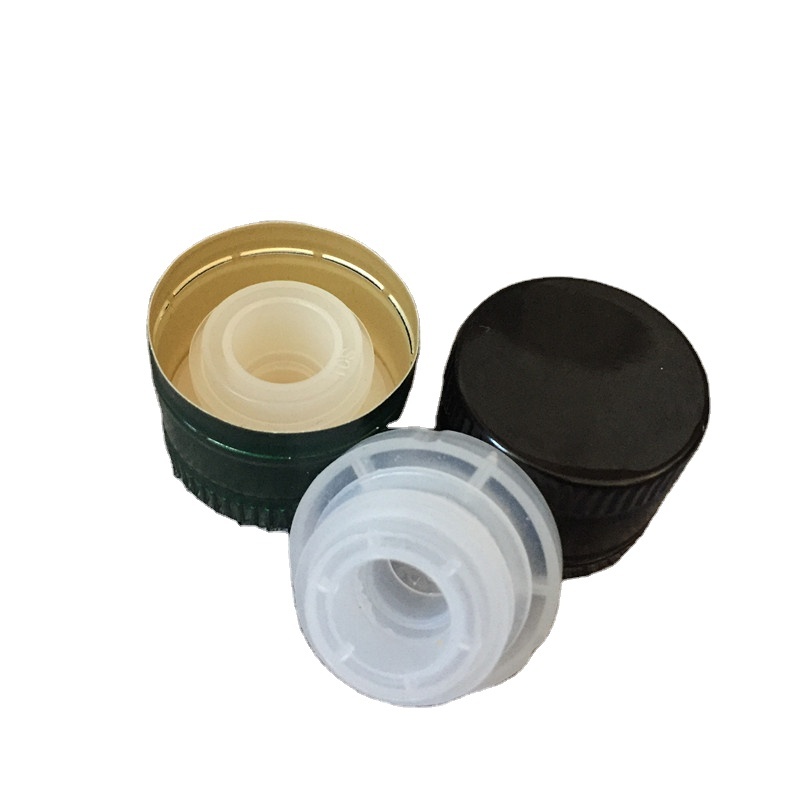
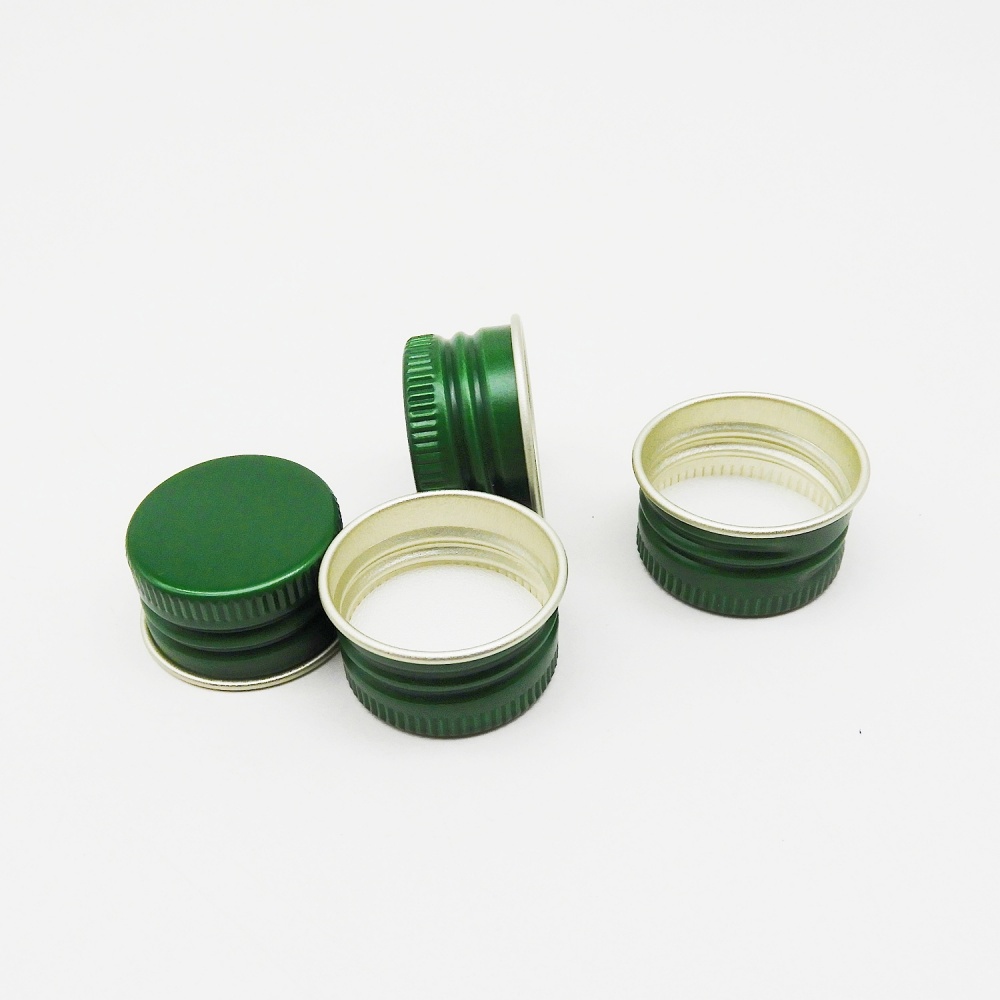
Aluminum screw caps and ROPP formats lead in recyclability—aluminum supports indefinite loops with established infrastructure. These suit mass vodkas emphasizing user convenience over prestige heritage.
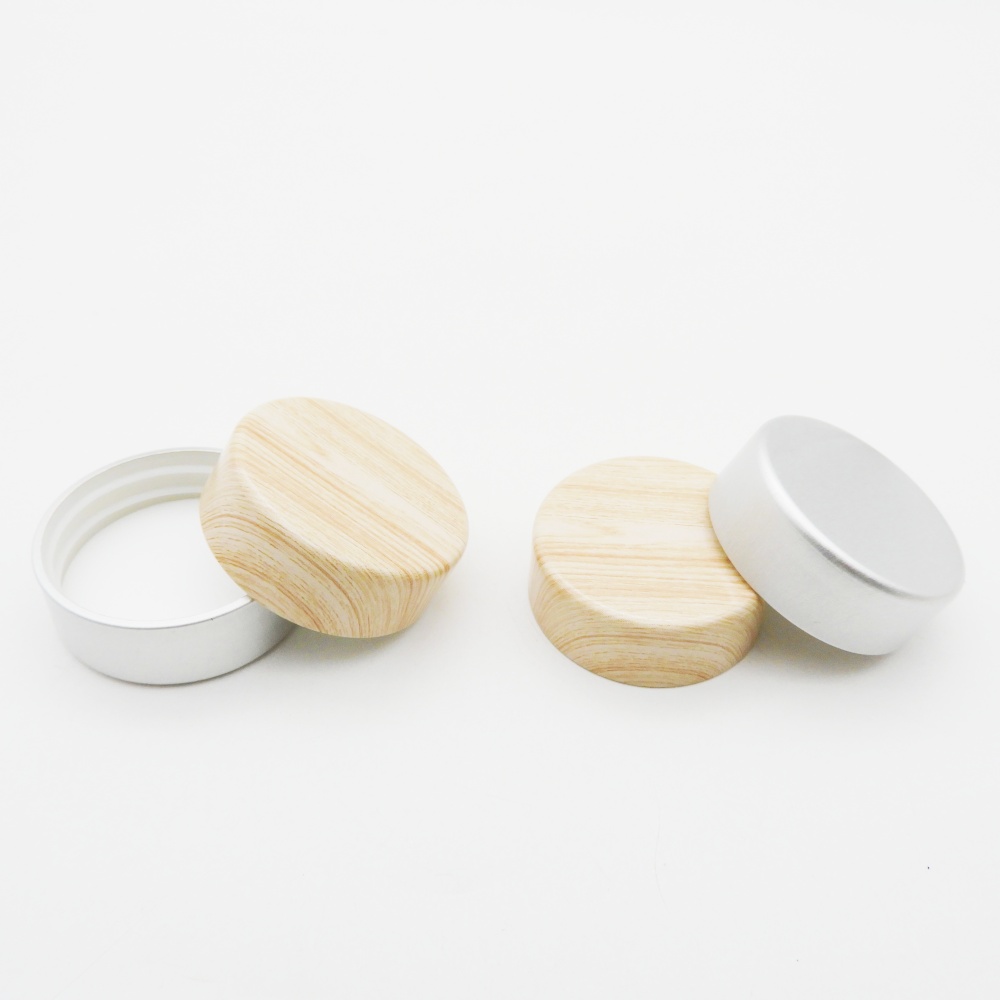
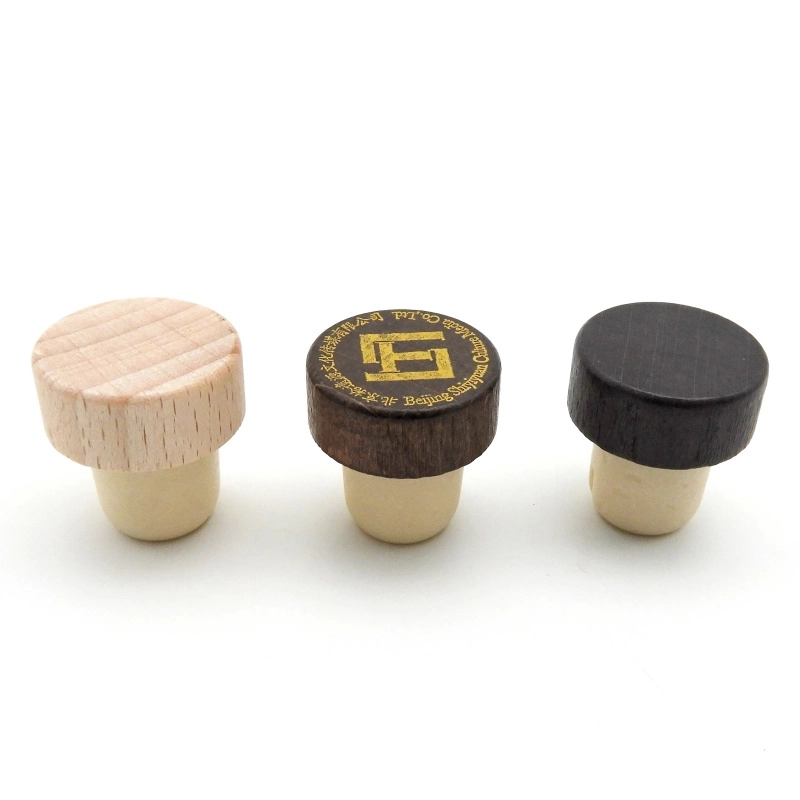
High-polymer plastic T-cork stoppers perform strongly in applications requiring taint-free, consistent containment. Food-safe polymers constitute the shank, complemented by solid tops for bar-top aesthetics. Compatible formulations feed into conventional plastic recycling channels, notably mono-material builds. Standard diameters span 19 mm to 22.5 mm, backed by broad choices in color, logo detailing, and flexible order quantities suited to craft or limited runs.
Trade-off comparison reveals: natural cork bar-tops deliver heritage prestige and controlled breathability for luxury heritage brands, tempered by TCA exposure and variability. Micro-granulated composites narrow consistency gaps for eco-positioned lines while carrying residual natural constraints. Bio-composites advance innovation in vodkas and gins, limited by supply reach. Plastic high-polymer T-corks remove taint entirely, secure airtight sealing, and enable extensive customization for contemporary premium and scaled brands, offsetting any perceived shortfall in natural texture with proven operational reliability. Screw caps maximize recyclability in everyday segments.
Why Plastic T-Cork Stoppers Are Surging in Popularity for Whisky, Vodka, and Gin

Repeatability forms the foundation of growing preference. High-polymer shanks hold precise tolerances in diameter and resilience, yielding stable insertion behavior across extended runs. High-ABV bottling lines experience reduced downtime from fit issues or seal failures—particularly relevant when evaporation accumulates in storage.
TCA elimination erases a critical uncertainty. Vodka and gin operations, centered on unblemished neutrality, bypass microbial defects possible with organic sources. Whisky maturation gains from controlled oxygen barriers that prevent accelerated or stalled development.
Recyclability integrates with 2025–2026 regulatory trajectories. Mounting requirements for mono-material packaging and recycled content favor compatible polymer streams. Producers reference these closures in sustainability documentation while upholding visual premium positioning.
Customization flexibility supports distinct branding. Low-volume orders permit tailored colors, embossed elements, or exact sizing without steep thresholds. Gin labels might coordinate a specific hue top, or whisky ranges incorporate subtle accents—all within practical budgets.
Polymer resilience withstands environmental stresses more predictably than organics in transit and warehousing. Temperature cycling rarely induces drying or compression loss, lowering export-related returns from seal compromise.
On-the-ground adoption confirms the pattern: synthetic bar-tops increase in premium spirits where reliability outweighs tradition, as sustainability conversations broaden to encompass viable, high-volume recyclables alongside natural origins.
Case Studies & Real-World Examples in Premium Spirits
Vodka exporters depend on synthetic sealing to protect neutral integrity over extended logistics. Consistent performance diminishes taint-related claims that surface sporadically with natural variability in prolonged transport.
Gin distilleries preserving vibrant botanicals benefit from oxidation resistance. Customizable T-corks enable alignment between closure and packaging theme—frosted finishes for seasonal variants, for example—while streamlining throughput.
Whisky in mid-premium ranges applies bar-top synthetics for evaporation minimization in warehouse settings. High-proof stability simplifies quality monitoring from fill to dispatch.
Line statistics consistently register lower defect incidence with high-polymer closures versus natural cork in spirits bottling, notably on automated platforms.
How to Choose & Implement Plastic T-Cork Stoppers: Actionable Guide for Distillers & Bottlers
Initiate with category parameters. Account for ABV strength, maturation horizon, and market routes. High-proof whiskies necessitate robust barriers; vodkas and gins require uncompromising sensory neutrality.
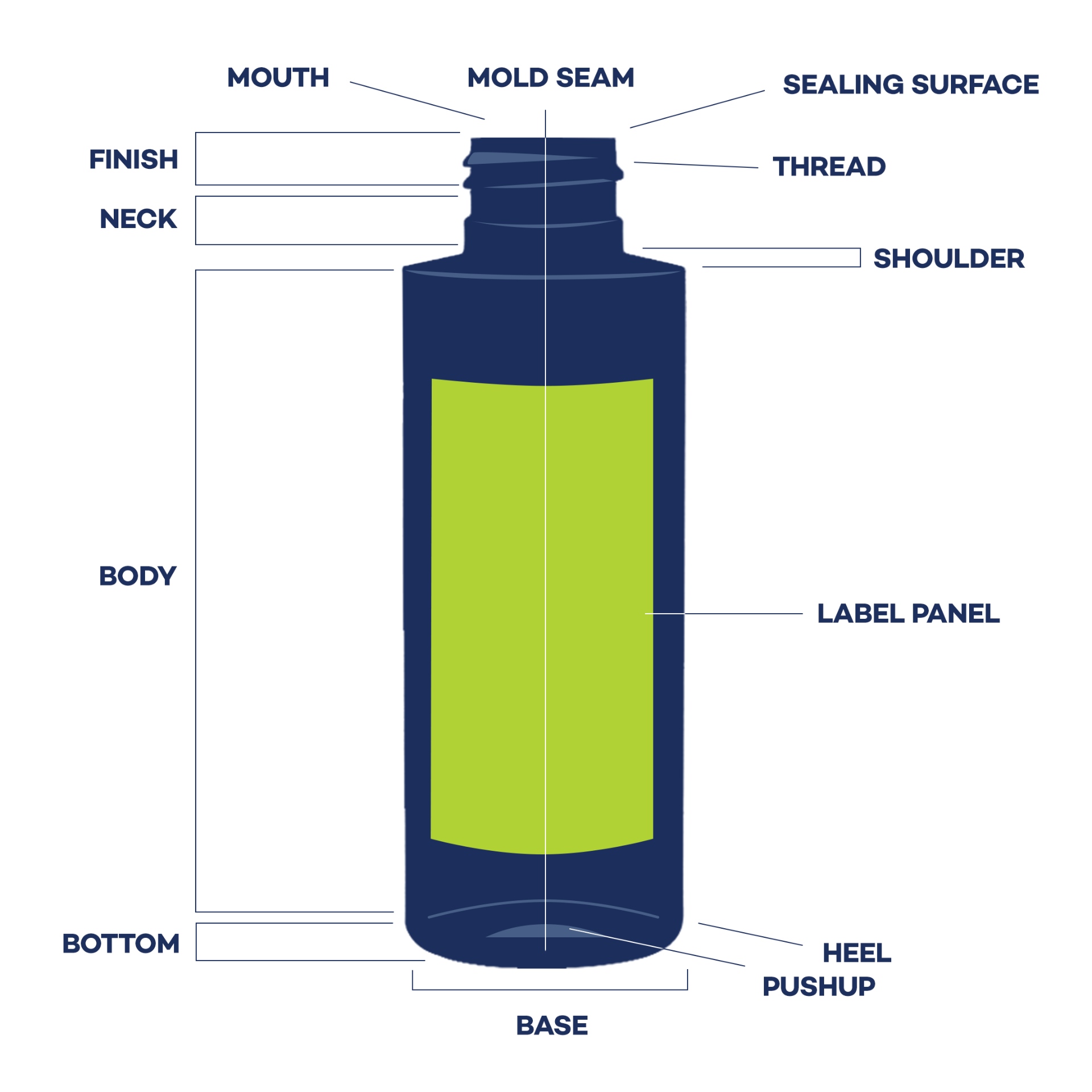
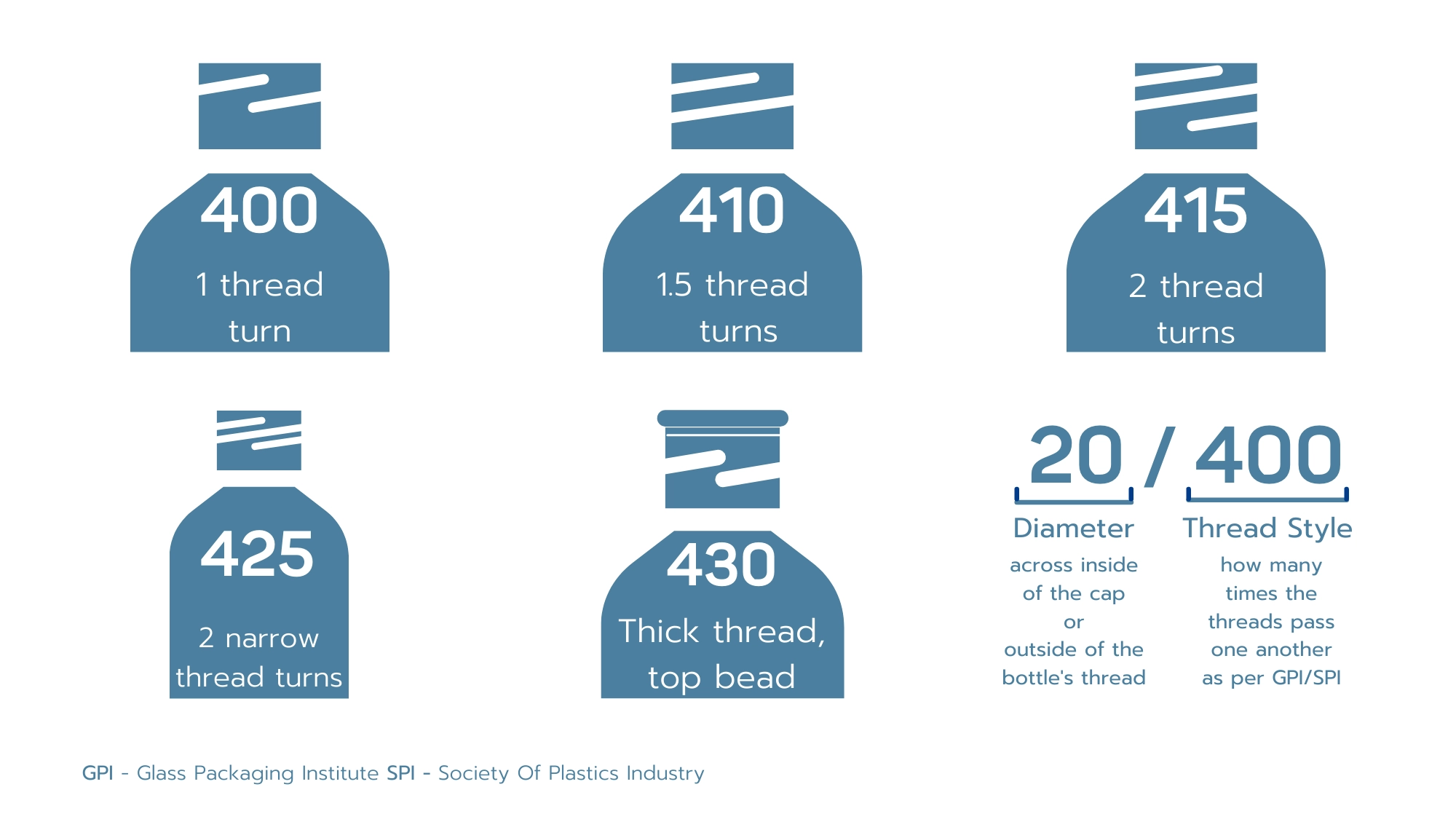
Proceed to specification alignment. Correlate shank diameter—19 mm to 22.5 mm standard—with neck finish details. Reference insertion-force profiles and trial against equipment. Execute leak, pressure, and cycling evaluations on samples.
Engage adaptable suppliers. Minimal order thresholds facilitate prototyping. Personalization across tops and shanks aids brand uniqueness. Verify food-grade compliance and traceability.
Position sustainability via recyclability and supply stability. Combine with matched bottles for unified, secure systems.
Test thoroughly: acquire samples, run sensory stability checks, replicate shipping stresses. Confirm compatibility on production lines prior to commitment.
Yantai Original maintains more than eight years of specialized export focus in bottle closures. The portfolio covers aluminium, plastic, and metal variants with emphasis on small-quantity adaptability and logo customization for developing labels. Complete packaging integration—caps and glass bottles from one source—reduces mismatch risks and leakage potential. Processes span design, manufacturing, and support to deliver dependable supply and collaborative progress for spirits clients.
Conclusion
High-polymer plastic T-cork stoppers narrow the divide between sustainability objectives and production necessities in spirits. They circumvent traditional cork’s principal shortcomings while upholding bar-top distinction and consistent outcomes throughout whisky, vodka, and gin applications. Regulatory emphasis on recyclability, coupled with pursuit of dependable, brand-specific solutions, positions these closures for expanded presence through 2026 onward. Packaging evaluations yield distinct benefits in quality assurance, line efficiency, and authentic environmental alignment.
Frequently Asked Questions
Why do plastic T-cork stoppers eliminate cork taint risk in whisky and gin bottles?
High-polymer composition excludes organic cork components, precluding TCA development. Vodka neutrality holds steady, and whisky sidesteps unexpected sensory shifts during prolonged aging.
How do I pick the correct diameter for plastic T-cork stoppers on spirits bottles?
Match shank dimension—commonly 19–22.5 mm—to bottle neck finish specifications. Perform insertion and pull-out trials on actual production bottles to confirm secure, airtight engagement without excessive or insufficient compression.
Can plastic T-cork stoppers support low-volume customization for craft gin or whisky?
Suppliers accommodate reduced quantities with provisions for custom colors, embossed logos, and tailored dimensions. This arrangement suits design validation or limited-edition runs without substantial initial investment.
Why are plastic T-cork stoppers effective for high-proof vodka and similar liquors?
Uniform airtight sealing restricts evaporation and oxidation under elevated ABV conditions. Polymer strength endures storage and transport demands, safeguarding product quality over extended periods.
Do plastic T-cork stoppers help meet sustainability targets in spirits packaging?
Many formulations align with standard plastic recycling pathways, particularly mono-material configurations. Integration into broader recyclability initiatives reinforces environmental positioning without compromising functional reliability.