


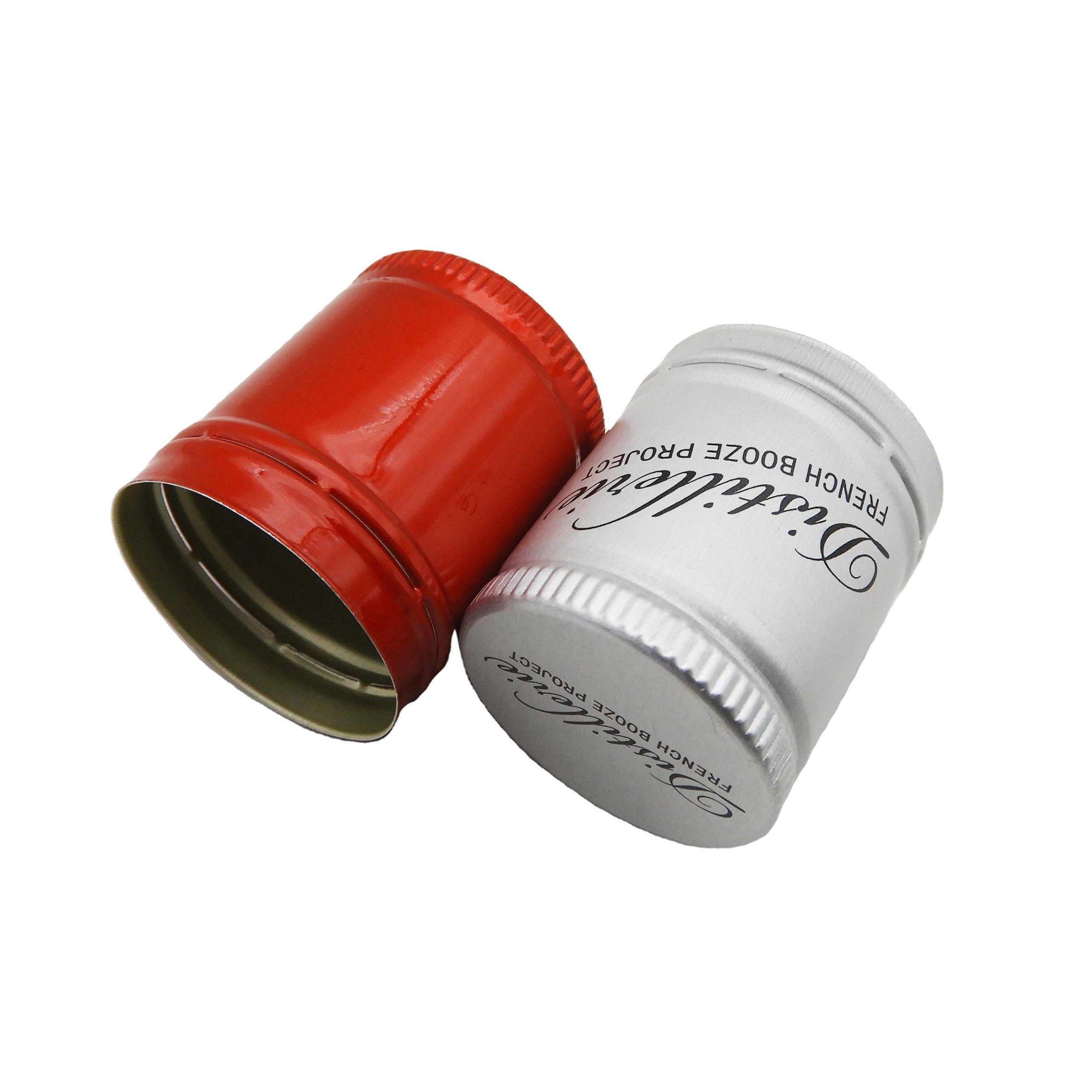
The sealing performance of aluminum bottle caps is critical to ensuring product safety, freshness, and consumer trust. In industries such as beverages, pharmaceuticals, and cosmetics, a reliable cap seal prevents contamination and preserves the intended composition of products. For spirits—including vodka, whiskey, tequila, and rum—Yantai Original Import and Export Co., Ltd. supplies 30×35 mm aluminum caps with customizable logos and colors. In these applications, precise sealing maintains consistent flavor and minimizes evaporation loss. A cap’s ability to form a tight, airtight seal directly impacts shelf life and brand reputation.
Factors Affecting the Sealing Integrity of Aluminum Caps
Design accuracy significantly influences uniform pressure distribution during closure. Minor variations in thread geometry can cause uneven compression at the bottle neck, creating potential leak points. Equally important is the compatibility between the cap material and the bottle neck finish. Poor dimensional tolerances or rough surface textures compromise seal tightness. Environmental factors such as temperature and humidity also degrade performance over time, altering material flexibility or damaging inner liners. Manufacturers must address these considerations during design and production to ensure consistent sealing across diverse applications.
Testing Methods for Evaluating Seal Performance
Suppliers employ standardized tests to verify sealing reliability. Pressure and vacuum tests simulate the stresses of storage and transportation, assessing leak resistance under real-world conditions. Torque testing determines optimal tightening force, ensuring a secure seal without damaging cap or bottle threads. Microscopic inspection complements quality control by detecting microcracks or deformations invisible to the naked eye—defects that can weaken the seal over time. Together, these tests form a comprehensive validation protocol before market release.
How Does Preservation Performance Influence Product Quality?
Preservation performance refers to an aluminum cap’s ability to maintain product stability post-packaging. This capability is essential for preventing oxidation, microbial growth, and flavor degradation—issues that compromise product safety and consumer experience. In beverages, particularly carbonated drinks and high-proof spirits, effective preservation retains carbonation and aroma throughout storage.
The Role of Barrier Properties in Product Preservation
Aluminum provides exceptional barrier protection against oxygen, moisture, and light—key drivers of spoilage. Manufacturers often incorporate inner liners or coatings to enhance chemical resistance, especially for acidic or alcoholic products. For example, painted or treated surfaces improve corrosion resistance while maintaining an aesthetic finish. Precise engineering of the cap–bottle interface prevents gas loss in carbonated or aromatic products, preserving fizz in sparkling drinks and fragrance in cosmetics.
The Relationship Between Seal Tightness and Preservation Duration
Seal tightness directly correlates with preservation longevity. A robust seal minimizes gas exchange between the container and the external environment, slowing oxidative degradation. Conversely, poor sealing can cause pressure loss in beverages or air ingress in pharmaceutical products, impairing efficacy or taste. Consistent torque application during capping ensures batch-to-batch uniformity, reducing variability that undermines shelf-life predictability.
Materials and Structural Designs That Enhance Cap Sealing Efficiency
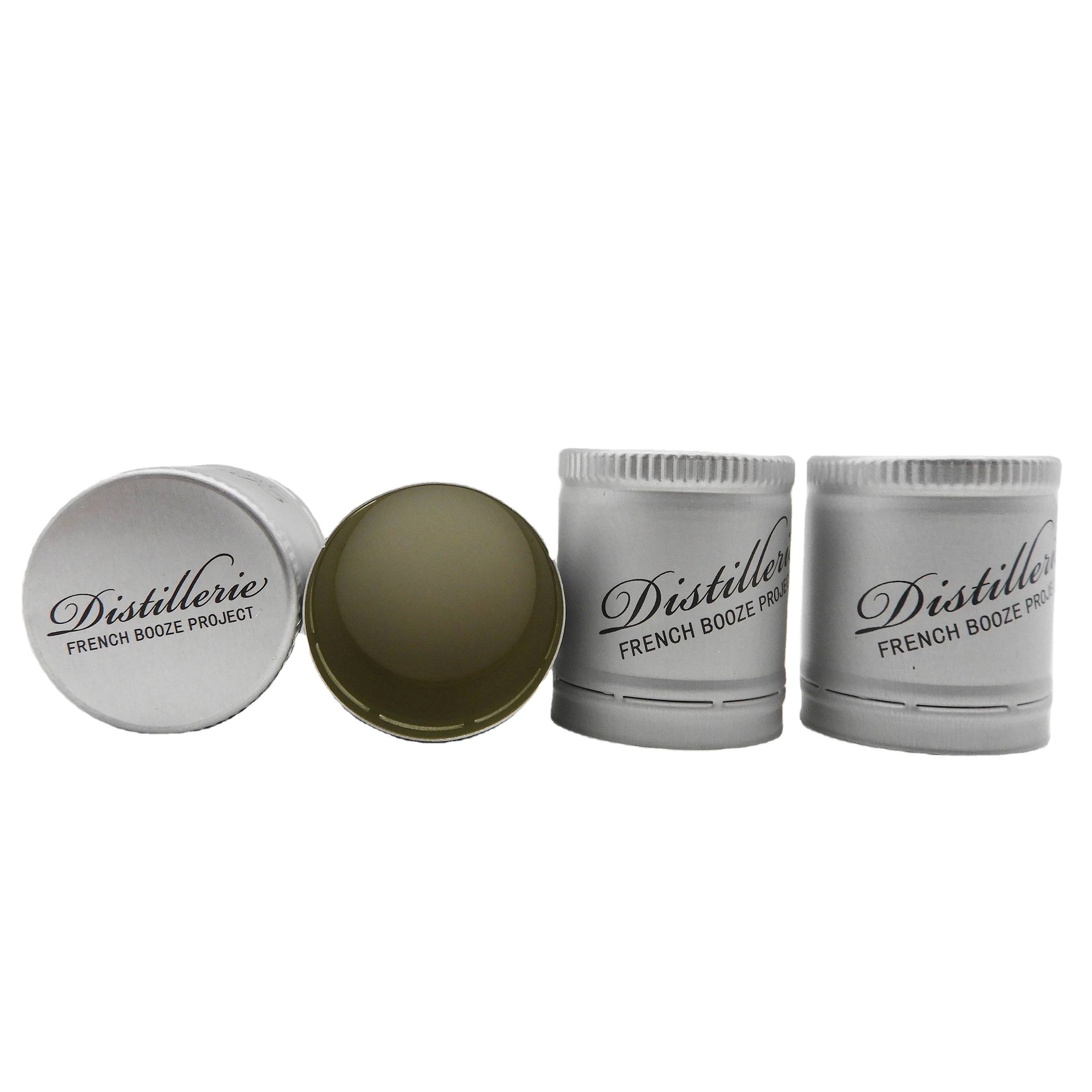
Material selection and structural design are foundational to optimizing aluminum cap sealing performance. Demanding applications require precision engineering to balance strength and compatibility with diverse bottle configurations.
Material Composition of Aluminum Caps
High-purity aluminum alloys are preferred for their excellent formability, lightweight properties, and corrosion resistance. Surface treatments such as anodizing or lacquering enhance durability in harsh environments while delivering a premium finish for high-end spirit and cosmetic packaging. Environmentally friendly coatings are increasingly adopted to reduce ecological impact without compromising barrier performance, aligning with global sustainability standards.
Structural Design Considerations for Improved Sealing
Thread geometry dictates pressure distribution across the bottle neck during closure. Optimized thread profiles reduce torque variability and improve mechanical interlocking. Liner materials—such as polyethylene (PE) foam or PVC-free composites—provide flexibility to compensate for minor surface irregularities on glass or plastic bottles. Skirt length and edge texture enhance grip for manual opening and compatibility with automated bottling lines, supporting scalable production.
The Importance of Quality Control in Aluminum Cap Manufacturing
Rigorous quality control is essential to ensure each aluminum cap meets stringent industry specifications prior to shipment. Inadequate inspection protocols risk catastrophic failures from minor defects, damaging brand credibility.
In-Production Inspection Procedures
Precision dimensional testing verifies batch consistency, measuring critical parameters like thread pitch and overall height tolerances. Leak testing identifies faulty seals early, preventing downstream waste or recalls. Visual inspection remains vital for detecting cosmetic defects such as scratches or coating imperfections that affect both aesthetics and functionality.
Standards Governing Seal Performance Testing
International standards like ISO 9001 establish frameworks for consistent manufacturing practices, emphasizing continuous quality improvement. Industry-specific specifications define acceptable limits for torque, leak rate, liner adhesion, and other performance metrics. Compliance with food-grade and pharmaceutical regulations ensures consumer safety, validating that all materials meet hygiene requirements for direct product contact.
Why Is Quality Control Essential in Aluminum Cap Manufacturing?
Quality control is a must to make sure each aluminum cap hits strict field rules before sending out. Without tough check steps, tiny slips could lead to big fails. This would hurt brand name.
Inspection Procedures During Production
Size checks with exact tools confirm sameness in batches. They measure key sizes like thread pitch width and full height limits. Leak checks find bad closes early. This stops later wastes or pull-backs from weak seals. Eye checks stay key for spotting looks-based flaws. Things like marks or cover issues might hurt brand looks and work ability.
Standards Governing Cap Seal Performance Testing
World rules like ISO 9001 set plans for steady making ways. They stress ongoing betterment in quality systems. Field rules set okay limits for torque levels, leak speeds, liner stick power, and other measures that affect close trust. Following food-grade or drug rules adds safety for users. It makes sure all stuff used fits clean needs for touch with items.
Yantai Original Import and Export Co., Ltd.: A Reliable Supplier of Aluminum Caps
Yantai Original Import and Export Co., Ltd. specializes in premium aluminum caps for beverages (vodka, whiskey, tequila, rum), pharmaceuticals, and cosmetics—sectors requiring precise sealing solutions. The company integrates advanced manufacturing technology with stringent quality systems, delivering consistent sealing performance across product lines and superior preservation properties for global markets.
Core Strengths of Yantai Original Import and Export Co., Ltd.
Yantai Original Import and Export Co., Ltd. offers customized cap designs tailored to unique bottle requirements, including engraved logos and brand-matching colors for its widely used 30×35 mm aluminum caps in spirit packaging. Premium aluminum materials ensure structural integrity and exceptional barrier resistance to oxygen and moisture, supporting long-term stability during international shipping. Comprehensive technical support—from initial design consultation to after-sales service—builds customer confidence by ensuring solutions meet performance expectations.
Conclusion: Elevating Product Integrity Through Advanced Sealing Technology
The performance of aluminum bottle caps hinges on a synergy of material science, precision engineering, and rigorous process control. By optimizing alloy composition, surface treatment, thread geometry, liner selection, torque parameters, and quality assurance protocols, manufacturers deliver reliable seals that safeguard contents from contamination, preserve sensory attributes, extend shelf life, and ultimately foster consumer trust through consistent quality.
FAQs
1. What key differences in sealing performance exist between aluminum and plastic caps?
Aluminum caps offer superior structural rigidity and enhanced barrier protection against oxygen, moisture, and light compared to plastic caps. This makes them ideal for sensitive formulations requiring extended shelf life.
2. How can manufacturers maintain consistent seal quality in mass production?
Manufacturers ensure uniform sealing quality by implementing automated torque monitoring systems, conducting regular leak testing, and adhering to international industry standards—delivering reliable results at scale.
3. Why are liner materials critical for aluminum bottle caps?
Liner materials act as a compliant interface between the cap interior and bottle neck, compensating for minor dimensional variations. They enhance airtightness and chemical resistance, extending preservation performance during storage.


