


Bottle caps serve as more than just basic closures. They act as carefully designed parts that directly affect the lasting quality and freshness of items inside packages. When it comes to food items like jams, pickles, and honey kept in glass jars, picking the right bottle cap decides how well the product stays safe from outside dirt, air damage, and water entry. A smartly made metal cap helps keep things fresh, holds onto the true taste, and makes sure the contents remain safe during the entire time on the shelf.
The Science Behind Seal Integrity
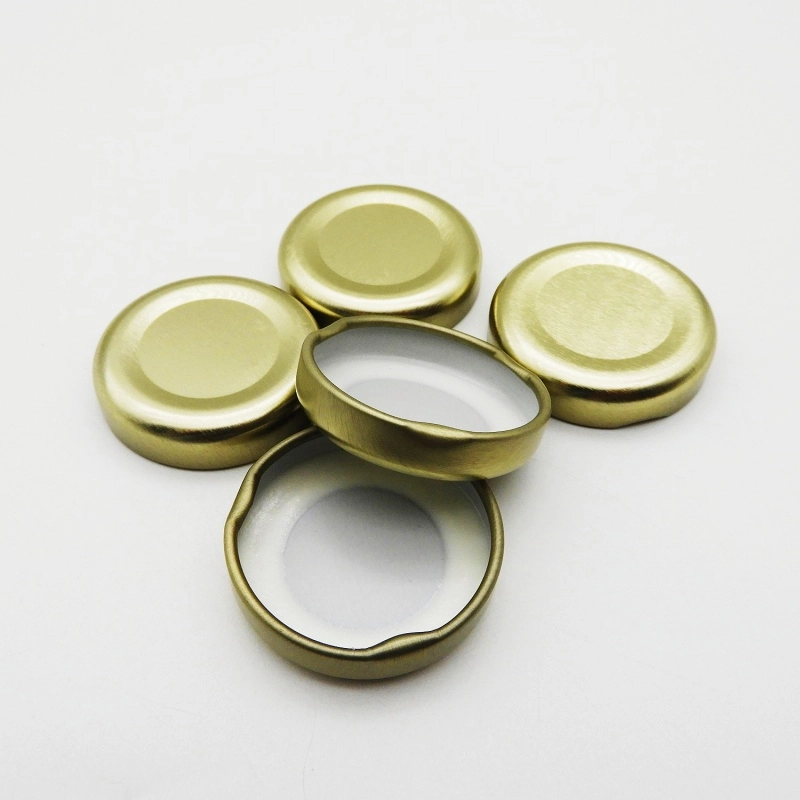
A tight seal without air gaps stands as a basic need to stop spoilage. When a bottle cap creates a complete airtight bond with its container, it stops oxygen and tiny germs in the air from getting inside. This protection matters a lot for foods that spoil easily, such as fruit spreads or items that have gone through fermentation, since they react badly to air exposure. Changes in temperature can weaken how well the seal works. This happens because both the cap and the jar expand or shrink at different rates. For instance, in processes like hot-filling or when stored in places with shifting weather, these differences in growth from heat might cause small leaks if the sealing setup does not have enough give.
The makeup of materials in a bottle cap also decides a lot about keeping the seal strong. Metal caps, especially those from tinplate or aluminum, show better strength in handling force and stay the same size better than options made from plastic. Their firm nature makes sure pressure spreads evenly over the area that seals, which cuts down the chance of bending out of shape as time passes.
Factors Affecting Cap Performance
Differences in how caps are built affect how well they seal in a big way. The exactness of the thread design, the depth of the liner, and the force used to twist them on all play a part in whether the closure gets a good, tight fit. Things in the surroundings, like dampness in the air and changes in air pressure, also change how caps work. They do this by affecting how stretchy the liner stays or by causing rust on poorer quality materials.
Matching the cap with the materials of the container counts as another important point. For example, using a metal cap on a glass jar gives great resistance to chemicals and solid build, which works perfectly for foods with acid, such as pickled veggies or fruit spreads. On the other hand, if materials do not match well, the seal might break down or let unwanted stuff mix into the product over long storage times.
What Are the Benefits of Using Metal Caps for Glass Jars?
Metal caps stay as a top pick for glass jars because of their strong build, toughness, and skill in making a firm closure that makes products last longer on the shelf. They offer lasting guard against outside things like air, water, and light, all of which can harm delicate parts in food items.
Advantages of Metal Over Plastic Caps
Metal caps give better walls against oxygen and water getting in when compared to plastic ones. This stronger shield proves key for keeping the feel and look of food products, holding onto smells, textures, and colors as days go by. Plus, metal caps resist rust well if they have the right covering or shine layer. This keeps them stable with chemicals even when used on sour contents, like pickles in vinegar or jams with citrus.
From a green angle, metal caps recycle easily. Unlike many plastics that need hard sorting or lose quality after a few reuse rounds, metals like tinplate can go through the process again and again without dropping in strength. This eco-friendly side fits with current trends in packaging that lean toward materials kind to the planet.
Considerations When Selecting Metal Caps
Picking the right metal cap means paying close attention to how it fits the size of the glass jar’s top edge. A cap that does not match could either not close tight enough or hurt the jar when put on. The stuff inside the cap for sealing, often from safe compounds without PVC or rubber okay for food, matters just as much for keeping things safe and stopping leaks.
Standing up to tampering forms another big point in building trust with buyers. Many makers choose twist-off metal caps with signs of opening, like buttons that show vacuum loss or bands that break to show if someone has opened the jar before buying.
How Can You Choose the Right Metal Cap for Your Products?
Choosing the best metal cap means finding a balance between how well it works technically and what it costs, all while following rules for food safety. The choice should look at not just how it fits physically but also how it reacts chemically with what’s inside the product and the closure materials.
Key Criteria for Cap Selection
Knowing what your product needs comes first. For drinks with bubbles or mixes that fizz, caps have to handle pressure from inside without bending. In other cases, items low in acid like honey need seals that block air fully but do not cause reactions, so they avoid getting sugary crystals or losing their taste.
Thinking about costs makes sense against what the job demands. Higher-end covers or special inside layers might cost more upfront. However, they lead to products lasting longer and less waste from bad batches, which boosts profits in the end by cutting down on losses.
The steadiness of the supplier also shapes how well packaging runs. Steady checks for quality make sure every group of metal caps hits the right sizes and safety levels for food contact, as set by global rules like those from the FDA or EU guidelines.
Why Is Yantai Original Import and Export Co., Ltd a Reliable Supplier for Metal Caps?
Yantai Original Import and Export Co., Ltd stands out as a dependable source because it focuses on strong quality checks, fresh ideas in design, and service that puts customers first. This approach fits markets around the world that use glass jars with metal caps for keeping food like jams, pickles, sauces, and honey safe.
Highlights of Yantai’s Offerings
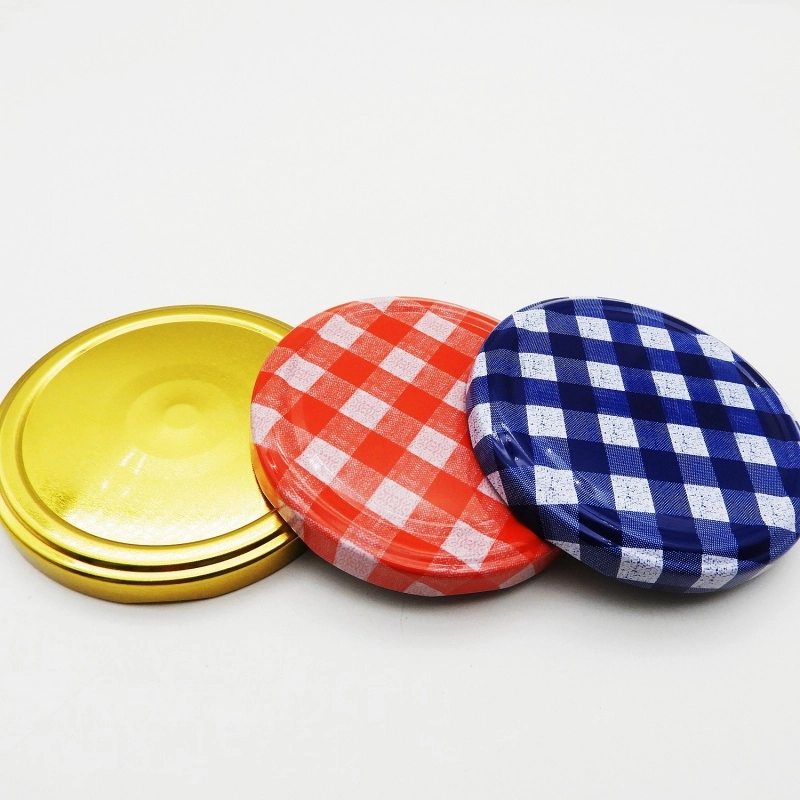
The firm keeps a wide range of items in stock, with different sizes and types of metal caps that work for various jar shapes, from usual twist-off kinds to special ones with raised patterns that boost how the brand looks while keeping top function. Every item follows strict global rules for safety and trust in food packaging performance.
Yantai’s dedication goes past just making good products. Their solid help for customers gives advice on picking the right closures based on how you fill them, whether hot or cold, how thick the contents are, and how long they need to stay good. Their follow-up service makes sure buyers get ongoing help during buying times, which builds lasting ties based on faith and smooth operations.
Conclusion
Picking the right bottle cap plays a key role in making sure products stay good over time in many uses, from small makers of honey to big operations for jam making that rely on glass jars with tough metal caps. The built-in power, ability to recycle, and great skill in sealing make metal closures a must in today’s packaging setups that aim to hold quality and meet green targets. Working with steady partners like Yantai Original Import and Export Co., Ltd gives sure access to strong solutions made just for what the field needs, while backing care for the environment through materials that can reuse.
FAQs
What Makes Metal Caps More Effective Than Plastic Ones?
Metal caps offer better shields against things in the environment like oxygen, water, and light, which cause spoilage. This makes them stronger at making products last longer on the shelf than plastic choices.
How Do I Determine the Right Size Cap for My Glass Jar?
To find the correct size, measure the outside width of your jar’s opening. Include details on the threads to ensure a snug fit that keeps the seal strong during storage.
Can Metal Caps Be Recycled?
Yes, metal caps recycle completely. This helps green packaging efforts by cutting waste from one-time-use plastics and saving resources through systems that loop back materials in industries worldwide.


