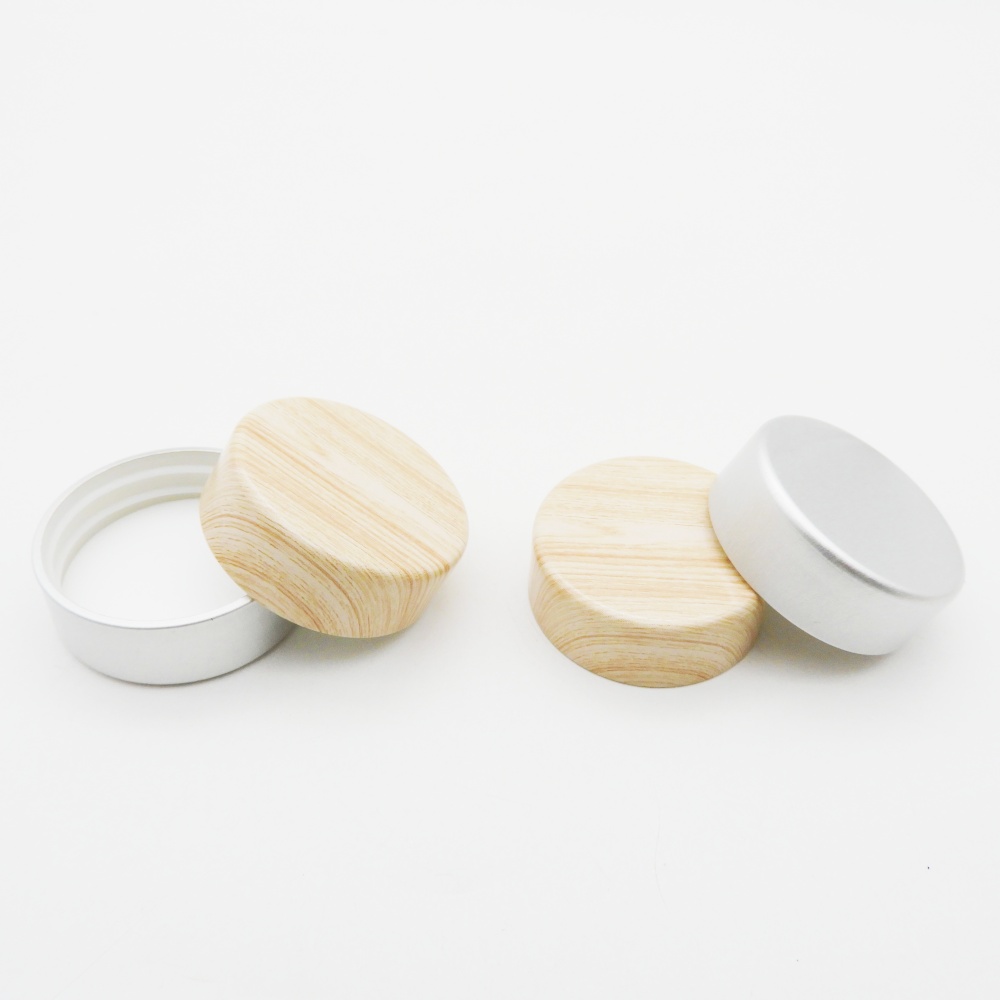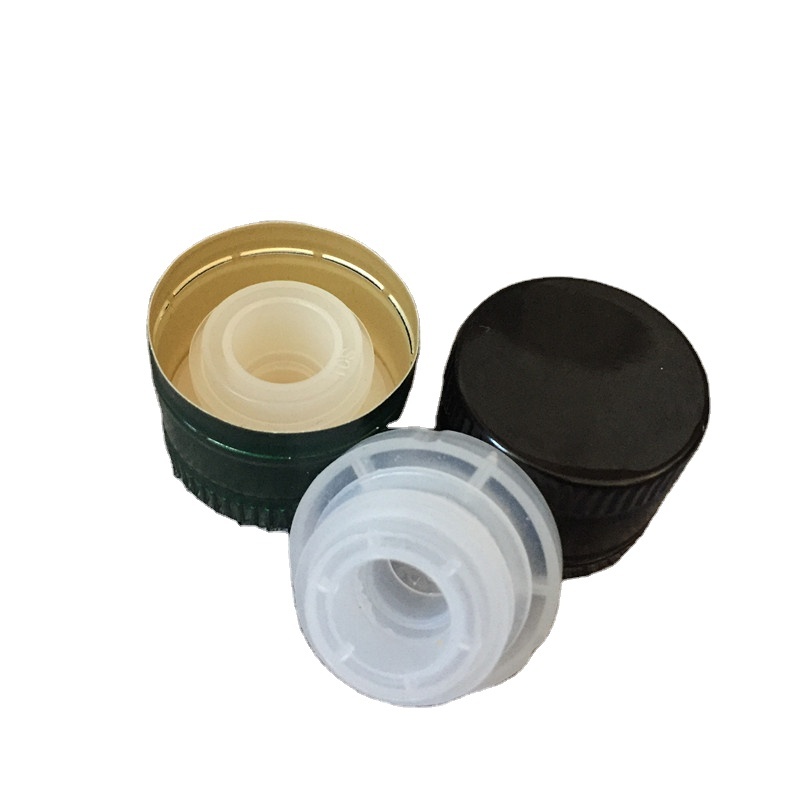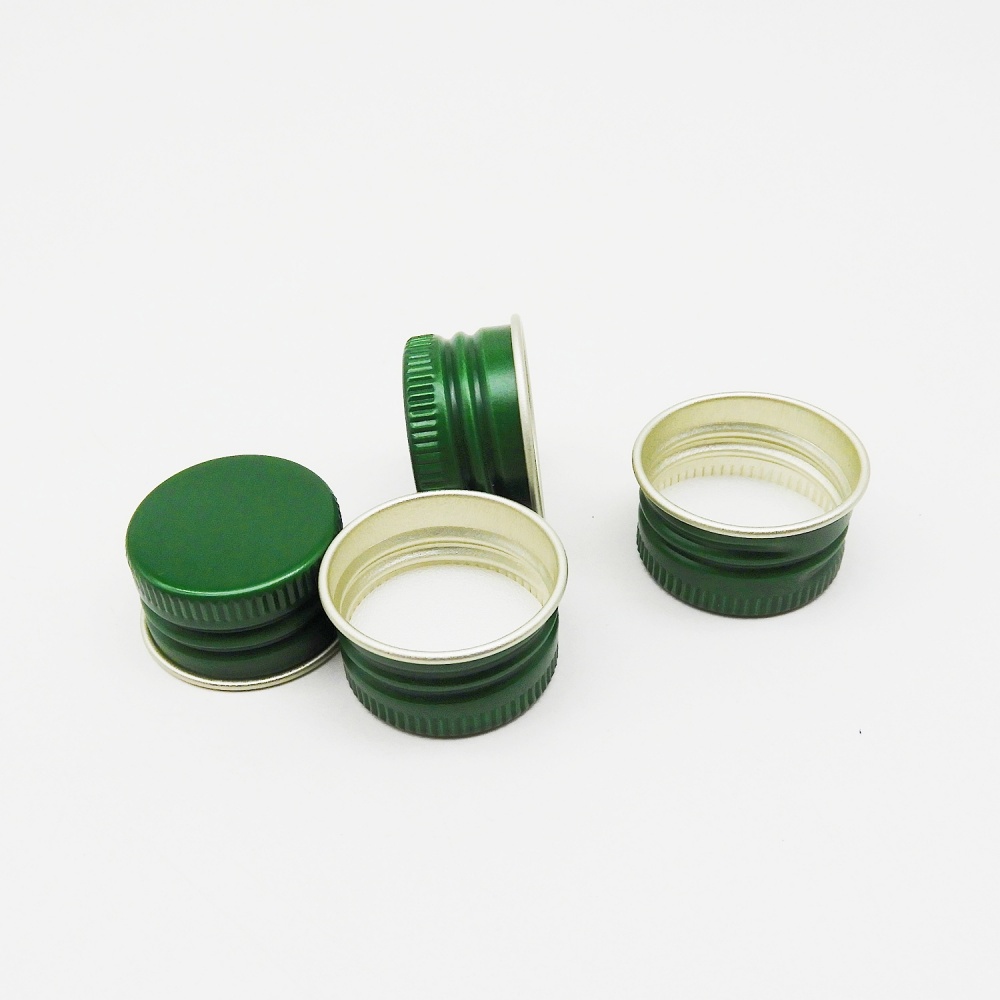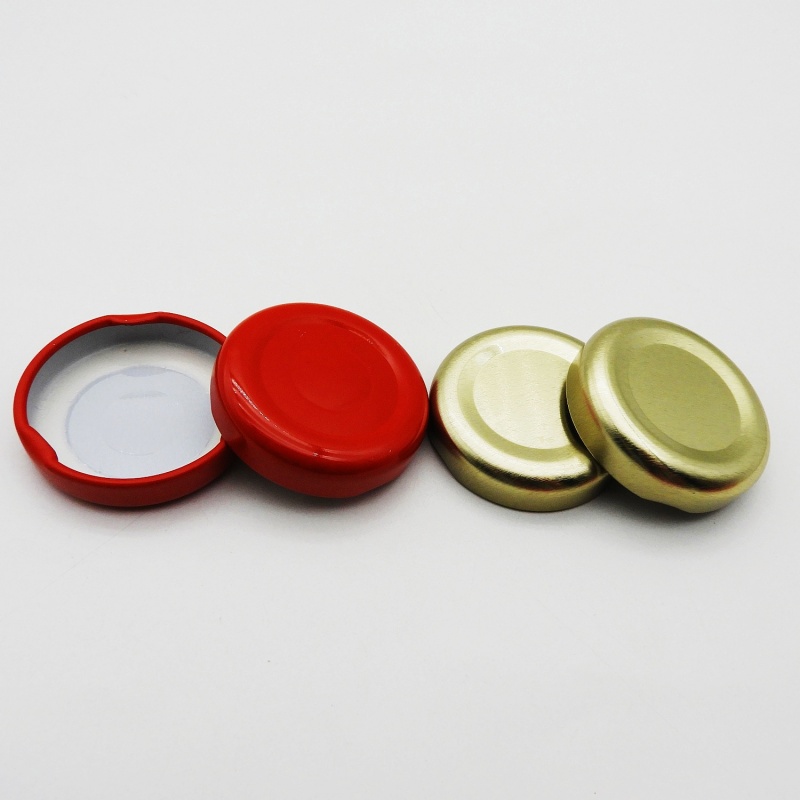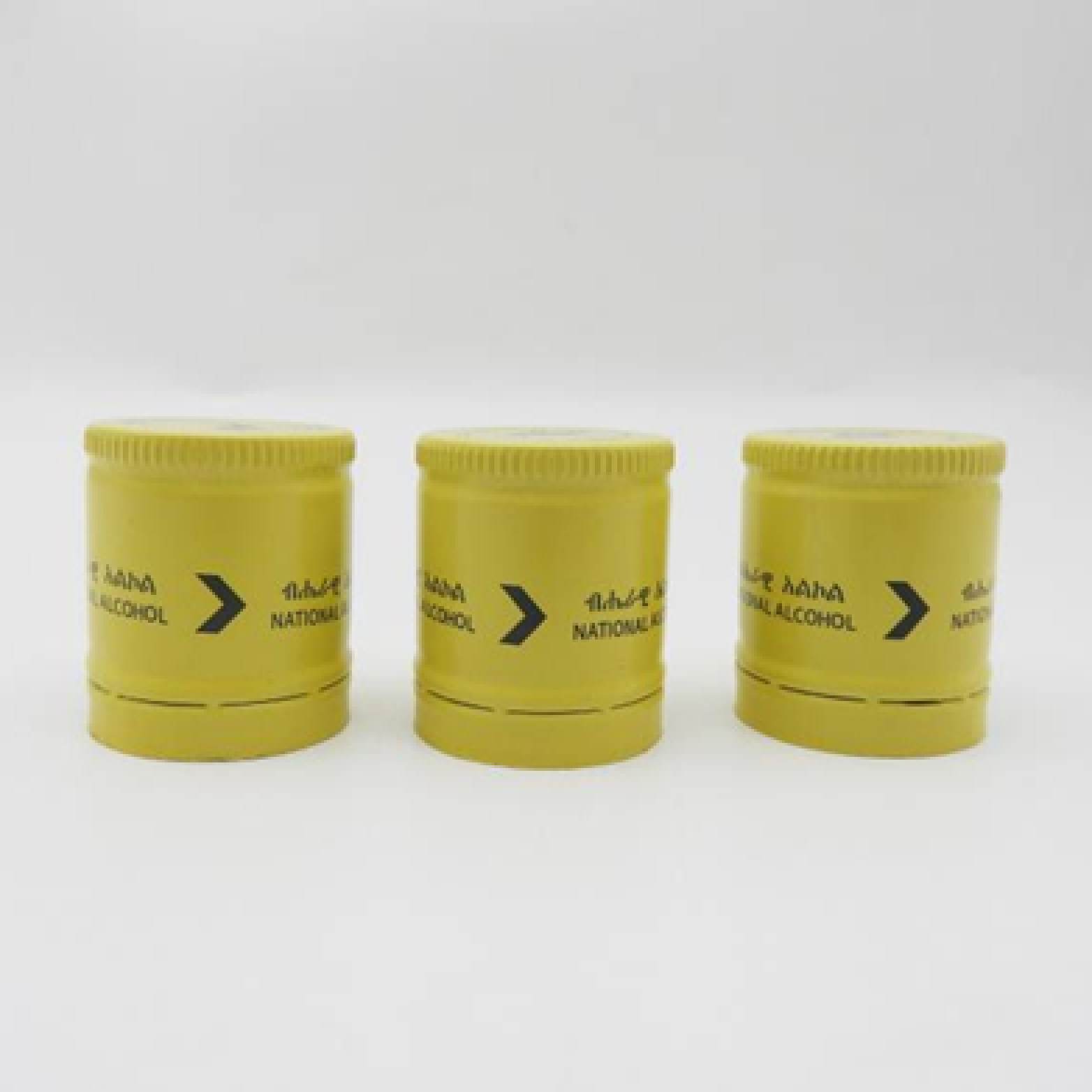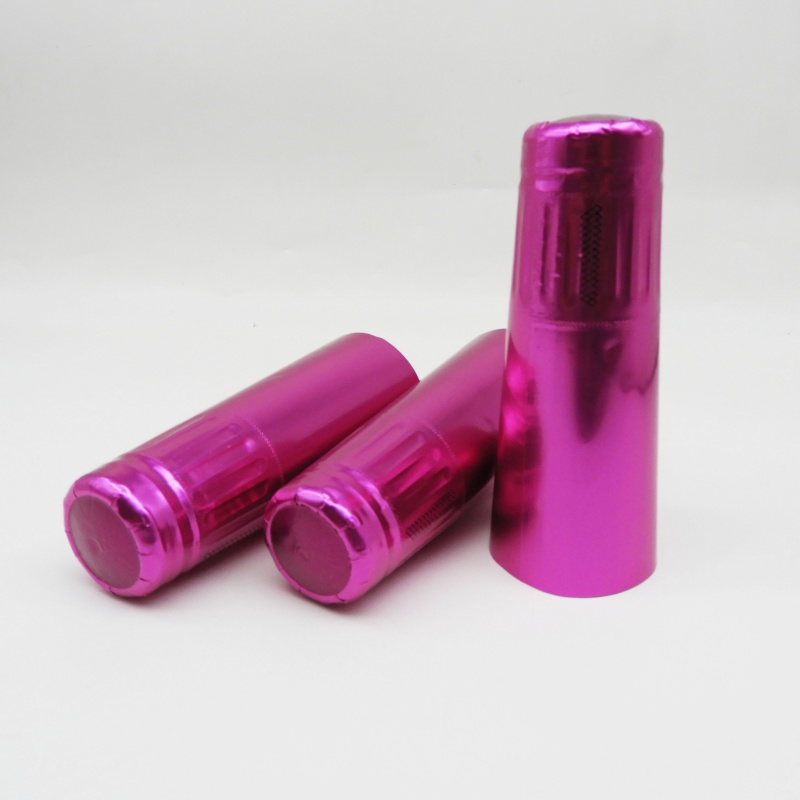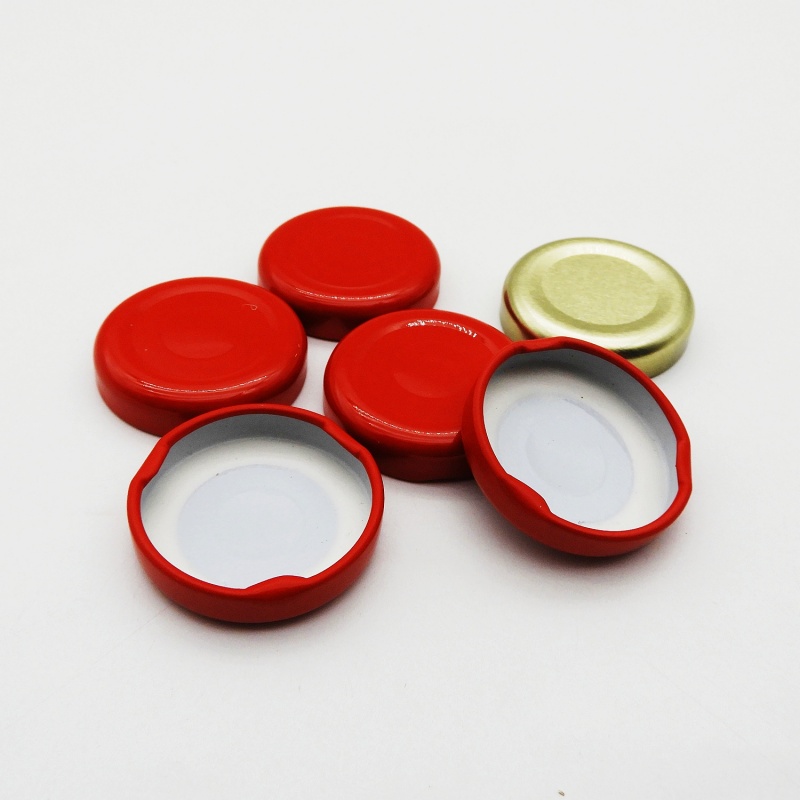


Low carbon aluminium screw caps have gained serious traction in spirits packaging circles lately, especially roll-on pilfer-proof (ROPP) versions built for whisky, vodka, and other high-proof categories. These closures cut emissions through deliberate use of higher recycled aluminium content combined with primary sources from lower-intensity grids, all while holding onto the essential destructible pilfer-proof bands, consistent torque, and upscale surface finishes that define premium shelf presence. The push comes from layered pressures: the EU Packaging and Packaging Waste Regulation kicking in with binding measures from August 2026, Scope 3 disclosure rules that force closer examination of supplier impacts, retailer scorecards tying shelf decisions to carbon metrics, and end-buyers showing preference for brands with documented lower-impact choices. Standard aluminium screw caps continue to deliver on seal reliability and tamper evidence, yet heavy dependence on conventional primary aluminium leaves a noticeable footprint that invites compliance headaches and cost exposure down the line. Transitioning to low carbon aluminium ROPP caps for spirits tackles those exposures directly, merging emission savings with dependable sealing and margin-friendly economics.
The Rising Pressure on Spirits Brands: Why Low-Carbon Closures Matter in 2026
Regulations have moved past discussion into enforcement territory. The EU Packaging and Packaging Waste Regulation, now live with key obligations phased from mid-2026 onward, sets recyclability floors and ties producer fees to material circularity performance. In North America, California’s ongoing recycled content ramps through 2029 favor infinitely recyclable aluminium, steering away from options that lose integrity over cycles. Carbon border mechanisms in full swing by 2026 add duties on imports reflecting embedded emissions, hitting aluminium parts routed into European supply chains particularly hard.
Retail channels weigh in heavier too. Leading distributors fold packaging carbon data into vendor evaluations, where shortfalls can shrink visibility or trigger delistings. Industry surveys over recent seasons point to a solid portion of premium spirits consumers—concentrated in core urban demographics—favoring brands that back environmental claims with real numbers, often tolerating incremental pricing for traceable progress.
Within the premium spirits space, where visual luxury and perceived authenticity drive repeat purchases, clinging to higher-emission closures risks competitive erosion. Embracing sustainable spirits bottle closures 2026 lets mid-market and craft players clear audit hurdles and strengthen distribution talks without touching primary bottle geometry.
What Exactly Makes an Aluminium Screw Cap “Low-Carbon”? Key Metrics to Evaluate
The difference traces back to feedstock and manufacturing origins. Primary aluminium production stays energy-heavy, but drawing from renewable- or hydro-dominated grids drops intensity markedly. Recycled aluminium delivers the bigger swing—using roughly 95% less energy than virgin routes—creating sharp footprint cuts when blended at 40-50% or higher.
Lifecycle views reveal the complete story: from bauxite through rolling, forming, filler delivery, application, and post-consumer recycling. Aluminium excels in closed-loop potential—recovered closures return to production endlessly without property loss. Advanced closures pairing elevated recycled levels with certified low-carbon primary inputs routinely show 20-35% emission drops versus baseline European sheets.
Assessment needs to probe deeper than recycled share alone. Grid carbon intensity for primary material and cumulative transport distances play equal roles. Suppliers linked to concentrated aluminium regions benefit from reduced haul emissions and easier access to recycled feedstock. Procurement groups in spirits should insist on third-party verified footprint reports spelling out these inputs to hold up under audit review.
Real Pain Points Spirits Brands Face When Adopting Low-Carbon Aluminium ROPP Caps
Switching throws up hurdles that procurement teams encounter routinely. Upfront pricing hits hard: options from major Western producers carry markups that pinch margins on core whisky and vodka lines. Tooling and certification timelines stretch out, disrupting plans for limited editions or peak-season fills.
Paperwork burdens mount quickly. Meeting Scope 3 requirements, retailer audits, or voluntary frameworks calls for granular origin and emission records, straining resources in leaner organizations.
Performance expectations remain non-negotiable. Premium spirits count on clear destructible bands for tamper proofing, seals that block oxidation across extended shelf periods, and finishes—brushed textures, matte tones, precise logo work—that uphold brand stature. Certain low-carbon variants underdeliver on opening consistency, visual polish, or leak resistance, inviting returns or shelf complaints.
Supply fluctuations add risk. Material pricing volatility and external disruptions can halt flows, forcing rushed substitutions that throw off production cadence.
Actionable Solutions: How to Switch to Low-Carbon Aluminium Screw Caps in 2026
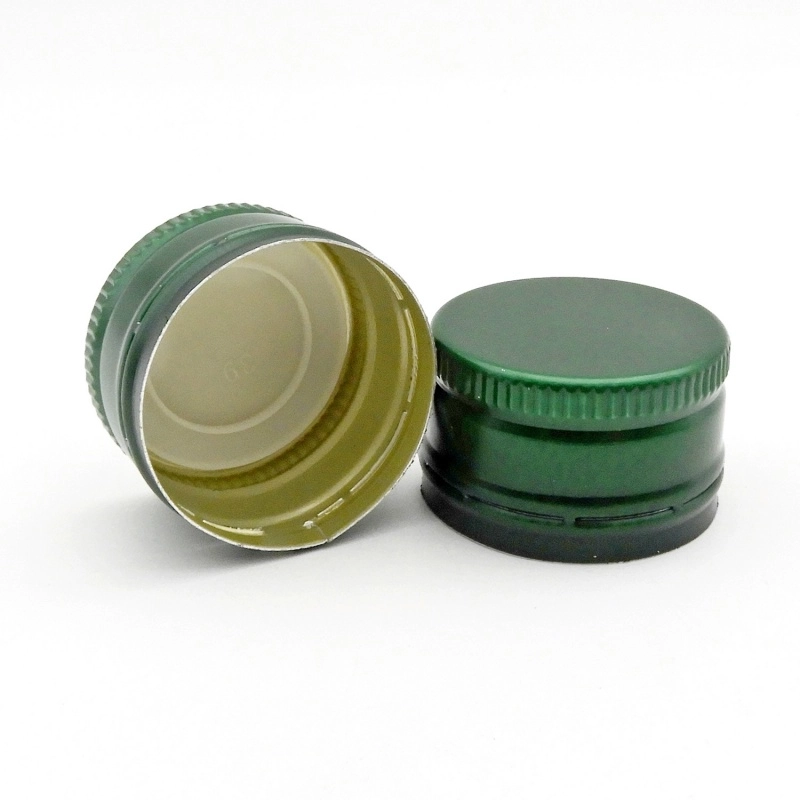
Practical progression keeps things grounded. Start with a baseline footprint for current closures, pulling from supplier disclosures or straightforward lifecycle estimates. Moving toward blends with substantial recycled content often nets 20-35% unit-level reductions, varying by exact sourcing.
Focus on chains anchored in aluminium-dense areas that tap cleaner energy and plentiful recycled streams at market rates. Reduced shipping legs trim additional emissions relative to distant sourcing.
Align specs tightly: 30×35mm configurations standard for many whisky and vodka fills, or 30×60mm for select wine-spirits formats, incorporating pilfer-proof bands that fracture visibly and liners—special glue or TPE—for airtight performance. Customization extends to colors, printing, and textures matching brand directives.
Test via limited runs. Samples run through torque checks, fill simulations, and stability trials confirm results. Adaptable order minimums ease entry while building compliance files.
Longer horizon, fold closures into ongoing sustainability monitoring. Track rejection patterns, feedback loops, and audit findings, iterating as rules advance. Stepwise execution curbs exposure while accumulating credible gains.
Case Spotlight: Practical Implementation in Spirits Export Scenarios
One mid-volume exporter preparing European entry for 2026 sourced 30×35mm ROPP closures for premium vodka and whisky ranges. Requirements centered on destructible tamper bands, matte upscale finishes with logo detail, and seals holding under temperature swings.
Closures from streamlined supply paths delivered an approximate 25% footprint reduction via boosted recycled incorporation and shorter logistics, with unit economics landing 15-20% below parallel Western equivalents. Seals proved stable in cycling tests, pilfer-proof elements secured integrity, and tooling flexibility accommodated early validation batches. Results eased regulatory alignment, bolstered distributor engagement, and sustained visual premium positioning.
Patterns like these confirm low carbon aluminium screw caps for whisky and vodka mesh well with day-to-day demands when sourcing matches priorities.
Yantai Original: A Reliable Partner for Aluminium Screw Caps
Yantai Original maintains over eight years of dedicated experience in export-oriented bottle cap supply, delivering aluminium caps, aluminium-plastic caps, and integrated packaging that pairs caps with compatible glass bottles. Offerings span pre-threaded aluminium screw caps from 18mm through 89mm, including targeted 30×35mm formats for whisky and vodka bottles alongside 30×60mm wine screw caps. Key attributes include strong sealing from special glue liners, user-friendly opening, destructible pilfer-proof bands for clear tamper indication, and wide-ranging customization across colors, logos, and surface treatments. Coordinating caps and bottles centrally reduces leakage exposure and eases sourcing for spirits producers chasing reliable quality and agile support across competitive export channels.
Conclusion
Low-carbon aluminium screw caps stand as essential equipment rather than an add-on for spirits brands facing 2026 conditions. Regulatory timelines, audit demands, and buyer shifts make emission control unavoidable. Obstacles persist, but systematic assessment, focused sourcing, and tailored execution yield concrete advantages without excessive cost or process strain. Proactive adoption locks in compliance edge, improved standing, and enduring viability as expectations keep rising.
FAQs
What is the carbon footprint difference between standard and low-carbon aluminium screw caps for spirits bottles?
Standard closures draw more from primary aluminium, pushing emissions higher. Low carbon aluminium ROPP caps for spirits, leveraging increased recycled blends and lower-intensity primary sources, frequently realize 20-35% reductions per unit per lifecycle reviews. Spirits producers focused on whisky and vodka capture noticeable Scope 3 relief absent bottle alterations.
How can spirits brands verify if an aluminium ROPP cap meets 2026 low-carbon requirements?
Secure third-party verified carbon footprint documentation outlining recycled percentages, primary aluminium grid sources, and logistics emissions. Closures reaching 40%+ recycled content from reduced-intensity origins typically align with projected standards in European and North American audit contexts.
Will switching to low-carbon aluminium screw caps affect the premium look and seal performance on whisky or vodka bottles?
Closures engineered to 30×35mm necks, complete with destructible pilfer-proof bands and dedicated liners, retain matte or brushed luxury effects plus custom logo precision. Sealing withstands oxidation and leakage threats, performing at or above conventional benchmarks in production and storage evaluations.
What steps should a spirits brand take to test low-carbon aluminium screw caps before full adoption?
Procure modest sample quantities for torque confirmation, fill-line runs, and environmental storage checks. Examine supplier carbon metrics together with operational data. Variable minimums support phased rollout while assembling audit-ready records.
Why are low-carbon aluminium screw caps gaining traction over other sustainable closures for premium spirits in 2026?
Aluminium ensures perpetual recyclability, solid tamper protection, and characteristic metal appeal tailored to spirits presentation. Paired with footprint cuts from recycled integration, sustainable spirits bottle closures 2026 surpass substitutes that yield on security, aesthetics, or sustained functionality.