


Aluminum ring pull caps have become a go-to choice for many beverage fillers handling beer and soda in glass bottles. The ring pull cap market sits around USD 389.5 million in 2025, with forecasts pointing to USD 560.4 million by 2035 at a steady 3.7% CAGR. Aluminum versions take more than 55% of that space, and the 26mm diameter leads with roughly 62% share in size segments. Beer applications dominate, holding about 71.7% of revenue in recent breakdowns, while soda and similar carbonated drinks follow closely. These figures reflect real shifts in filling lines: producers look for closures that combine reliable sealing with consumer-friendly opening, especially as on-the-go and premium packaging gain ground.
Traditional crown caps still handle high volumes well, yet the opener requirement creates friction points. Bottles sit unopened at picnics or events. Complaints pile up from sharp edges or spills during improvised removal. Aluminum ring pull caps change that equation—a finger pull tears the scored section cleanly, leaving a smooth rim and no tools needed. Sizes like 26mm match standard crown finishes on most beer and soda bottles. Larger options, such as 42mm, fit wide-mouth designs popular in sparkling waters and functional sodas. Other diameters fill niche roles. The choice comes down to bottle specs, line setup, and end-user expectations.
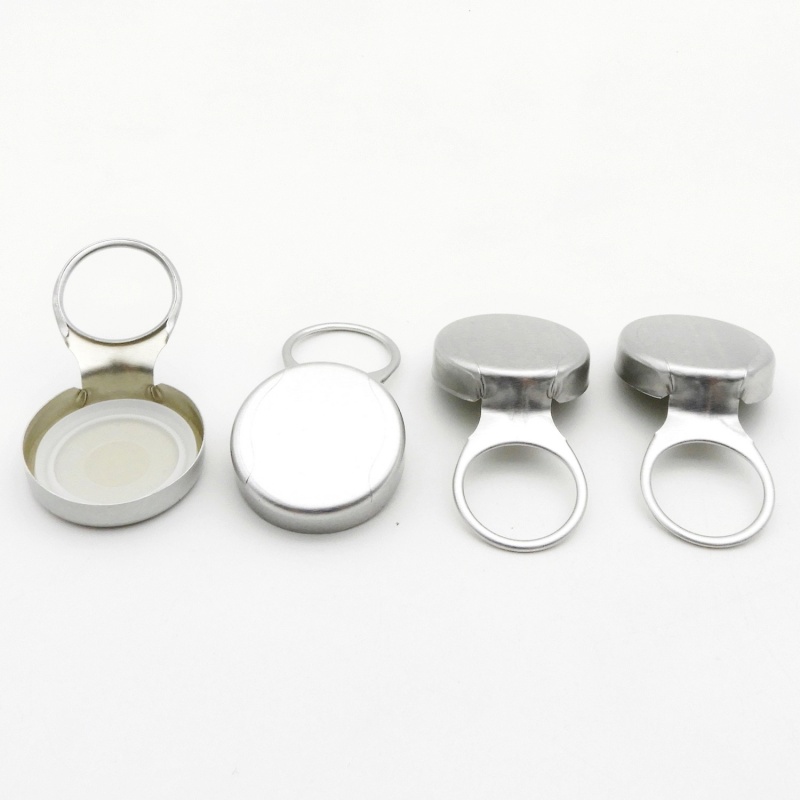
Understanding Aluminum Ring Pull Caps: Key Features for Beer and Soda Packaging
These caps use pure aluminum, formed on advanced lines for consistent thickness and scoring. Internal food-grade coatings prevent direct contact issues, resisting corrosion from acidic sodas or beer while maintaining flavor integrity. The ring pull mechanism scores precisely so the tab tears along intended paths, avoiding jagged tears or partial openings.
For beer and soda glass bottles, the design holds pressure effectively—carbonation stays stable through shelf life comparable to crowns in most tests. Tamper evidence shows clearly once pulled; the ring detaches fully. Recyclability stands out too—aluminum cycles back without quality loss, aligning with sustainability targets many brands face. Non-spill edges reduce splash during opening, a detail that matters in casual consumption settings.
Common misconceptions persist. Some view ring pull caps as less secure than crowns. Field data counters that: proper application delivers hermetic seals under typical carbonation levels. The upgrade focuses on convenience without sacrificing core performance.
Size Comparison: 26mm vs 42mm vs Other Diameters (38mm, 46mm, 50mm+)
Diameter drives compatibility and user experience. The table below breaks down main options based on typical applications in beer and soda glass bottles.
| Size | Typical Use | Bottle Neck Type | Key Advantages | Best For |
| 26mm | Standard beer, soda, lager | Crown finish | Perfect compatibility, high volume | Craft beer, mainstream soda |
| 42mm | Wide-mouth sparkling water, functional soda | Wide mouth | Easier sipping, premium feel | Premium RTD, artisanal soda |
| 38mm/46mm | Juice, energy drinks | Intermediate | Balanced opening size | Mid-premium beverages |
| 50mm+ | Larger formats | Specialty | Maximum flow for sharing | Niche/large-volume drinks |
The 26mm size fits the vast majority of beer bottles worldwide—standard crown necks accept it with minimal crimper tweaks. Fillers report smooth transitions and stable seals in lagers and ales. Soda lines benefit similarly; the diameter supports familiar bottle shapes while adding easy-open appeal.
42mm caps target wide-mouth bottles rising in premium sparkling and functional categories. The larger opening allows direct sipping or additions like fruit slices, enhancing refreshment perception. Sealing holds firm despite the scale—liners and forming techniques manage pressure without leaks in carbonated fills.
Intermediate sizes like 38mm and 46mm bridge gaps for energy drinks or juices in glass. They offer moderate openings without full wide-mouth tooling changes. Larger 50mm+ variants suit specialty or sharing formats, though less common in standard beer and soda runs.
Cost scales with diameter and volume—26mm often runs lowest per unit in bulk due to widespread use, while 42mm carries slight premiums for wider compatibility.
Why Switch to Ring Pull Caps in 2026: Benefits Over Traditional Crown Caps
The move stems from consumer realities and line economics. Crown caps seal reliably but demand tools. In social settings or quick grabs, that step delays enjoyment or leads to frustration. Ring pull caps eliminate it entirely.
Safety improves too. Crown removal risks cuts from edges; ring pulls leave rounded lips. Spill control tightens—clean tears minimize overflow.
Sustainability factors weigh in. Aluminum recycles fully, supporting lighter logistics footprints. Brands chasing eco-claims find alignment here.
Branding opens up. Surfaces accept detailed printing—logos, colors match labels for shelf standout. Beer segments see this drive sampling at events; soda producers note higher repeat interest.
Data backs the shift. Beer holds dominant share in ring pull use, with premium lines adopting faster. Convenience drives trial; tamper evidence aids export trust.
Critical Factors to Consider When Choosing Aluminum Ring Pull Caps
Procurement teams weigh several points before committing.
Neck finish comes first—confirm 26mm crown or 42mm wide match. Mismatches cause leaks or poor crimps.
Pressure resistance matters for carbonation. Caps need to hold levels typical in beer and soda without deformation.
Pull force balances security and ease—firm enough against accidental opens, smooth for users.
Internal coatings prevent flavor migration or metal taste. Food safety standards apply strictly.
Customization includes colors and printing. Logos apply crisply on aluminum surfaces.
MOQ affects smaller runs—many suppliers start around 300,000 pieces for custom work, allowing tests without overcommitment.
Production consistency shows in defect rates. Lines using Sacmi equipment deliver uniform scoring and thickness.
Certifications and export experience add confidence for global shipments.
Step-by-Step Buyer’s Guide: How to Select and Implement the Right Ring Pull Caps
Start with bottle assessment—verify neck specs and line capabilities.
Request samples next. Run capping trials: check torque, pressure hold, pull behavior across temperatures.
Compare suppliers on output quality. Look for consistent scoring, low rejects, and flexible customization.
Define needs—colors, artwork, ergonomics.
Pilot small runs around minimum orders. Gather feedback from market tests.
Scale gradually. Monitor seals and openings post-launch; adjust if issues surface.
Avoid pitfalls like untested compatibility leading to leakage. Trial thoroughly before volume.
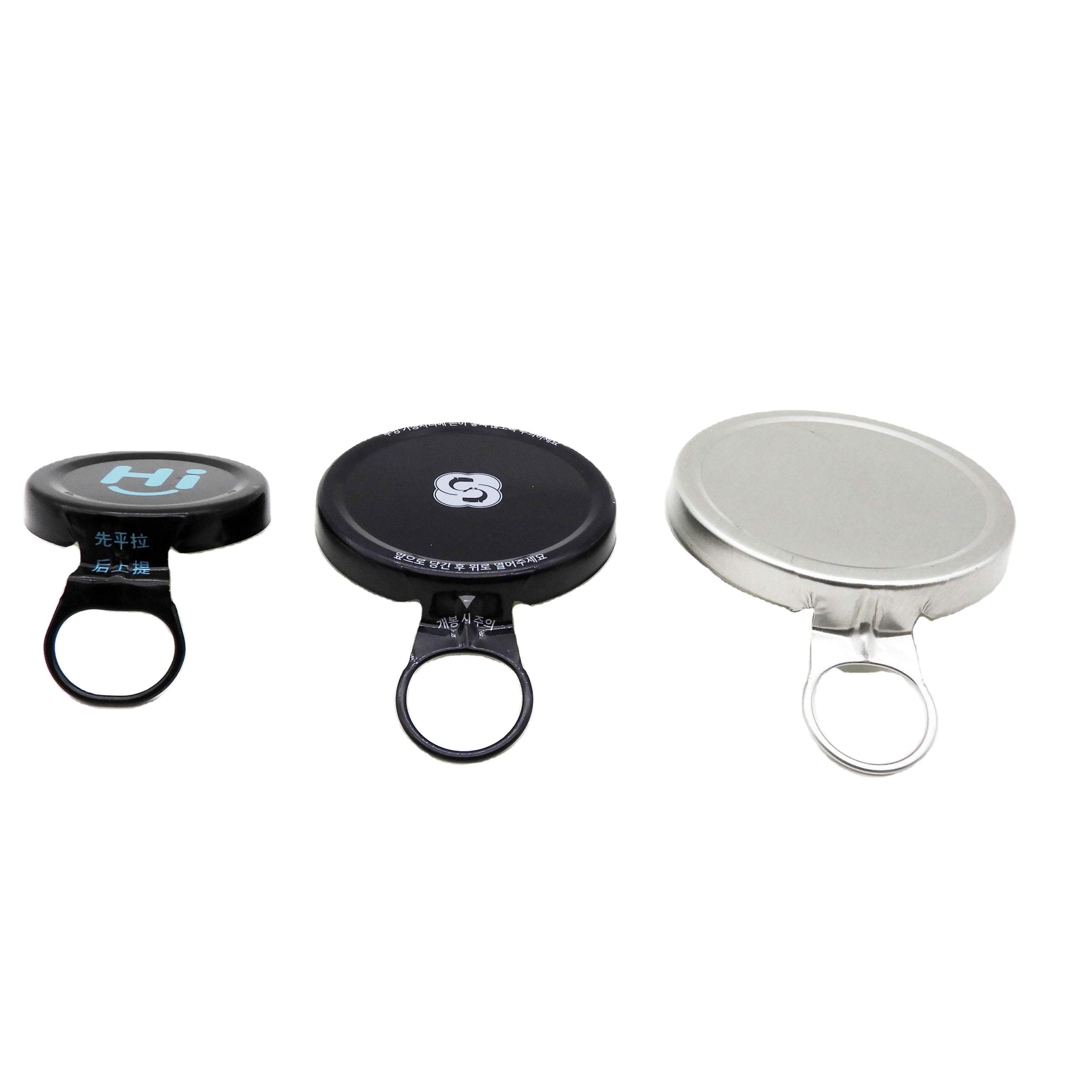
Top Considerations for Suppliers in 2026
Reliable sources provide uniform quality and fast delivery. Export-focused operations handle global logistics well.
China-based producers with Sacmi lines often deliver competitive pricing and customization depth.
MOQ flexibility suits mid-sized brands testing markets.
Bundled options—caps with matched bottles—cut mismatch risks.
About Yantai Original
Yantai Original operates as a dedicated supplier in the bottle cap export sector with more than eight years of hands-on experience. The lineup covers aluminum caps including ring pull types, aluminum-plastic combinations, plastic variants, and metal options, frequently paired with glass bottles for matched packaging sets. Small to medium quantities come with custom logo support, fitting brands at various growth stages. Production maintains quality focus backed by certifications, delivering reliable supply from design through fulfillment. Bundling caps and bottles addresses common leakage concerns by providing integrated solutions. The approach centers on service, integrity, and mutual growth in competitive beverage markets.
Conclusion
In 2026, aluminum ring pull caps—especially 26mm and 42mm sizes—stand out as practical upgrades for beer and soda glass bottle packaging. They deliver tool-free access, strong seals, recyclability, and branding potential without major trade-offs. For procurement teams navigating compatibility, cost, and consumer demands, careful size selection and supplier evaluation unlock real gains in efficiency and market positioning. Piloting the right options positions operations to meet evolving preferences head-on.
FAQs
Are 26mm aluminum ring pull caps compatible with standard beer bottle crown finishes?
Yes, 26mm aluminum ring pull caps fit standard crown neck finishes on most beer and soda glass bottles. Lines usually adapt with minor crimper changes to maintain secure seals for carbonated products.
What is the difference between 26mm and 42mm ring pull caps for soda bottles?
26mm suits standard crown necks for mainstream soda, while 42mm works with wide-mouth bottles common in premium sparkling or functional sodas, offering easier sipping and a more indulgent feel.
How do ring pull caps compare to traditional crown caps in cost for bulk orders?
Bulk costs align closely after tooling; ring pull caps often balance out through lighter weight for shipping savings and fewer consumer complaints, though exact figures vary by customization and volume.
Can aluminum ring pull caps maintain carbonation in beer over long shelf life?
Quality aluminum ring pull caps with precise scoring and coatings hold carbonation levels comparable to crowns. Application testing in beer fills confirms stable performance matching industry standards.
What minimum order quantity is typical for custom-printed 26mm ring pull caps?
Custom printing or colors usually start around 300,000 pieces, giving producers flexibility to test designs in real market conditions before committing to larger production runs.


