


Non-refillable pop-up caps have shifted from occasional consideration to a frequent discussion point in premium extra virgin olive oil bottling lines. Fraud alerts keep surfacing across Europe. The European Court of Auditors released Special Report 01/2026 in January, pointing out uneven application of controls despite a solid EU framework, with gaps in traceability, laboratory testing, and risk-based checks that leave room for adulteration or mislabeling. January 2026 saw 189 suspected fraud reports in Europe, including olive oil adulteration alongside other food issues, continuing patterns from 2025 seizures like over 14,000 liters of untraced extra virgin in Puglia and Belgian supermarket samples failing quality standards with one case of outright adulteration.
These incidents hit premium producers hardest. Those who follow strict cold-extraction protocols, origin documentation, and sensory panels see their efforts undermined when inferior blends enter the market under similar labels. Foodservice channels add another layer—refills in restaurants or hotels often swap branded contents for cheaper alternatives, disrupting consistency and exposing customers to variable quality. Export shipments face tighter scrutiny in markets that demand verifiable authenticity. Non-refillable pop-up caps tackle these vulnerabilities head-on. The spring-loaded insert deploys on initial opening, creating a one-way dispensing route. Tamper-evident bands or perforated rings break irreversibly, giving clear visual proof of first use, while the anti-refill valve resists backfilling without obvious damage.
Market conditions push this further. IOC estimates place global olive oil production for 2025/26 at around 3.44 million tons, a 4% drop from the prior season, with EU output forecasted near 2.056 million tons amid weather stress in key regions. Price volatility persists, keeping incentives for substitution alive even as premium segments grow on health trends and Mediterranean diet recognition. Tamper-evident olive oil closures and anti-refill solutions gain traction as practical additions to analytical verification and chain-of-custody records. The 31.5*24mm aluminium-plastic pop-up cap matches standard glass finishes in olive oil lines, balancing controlled pour with robust protection.
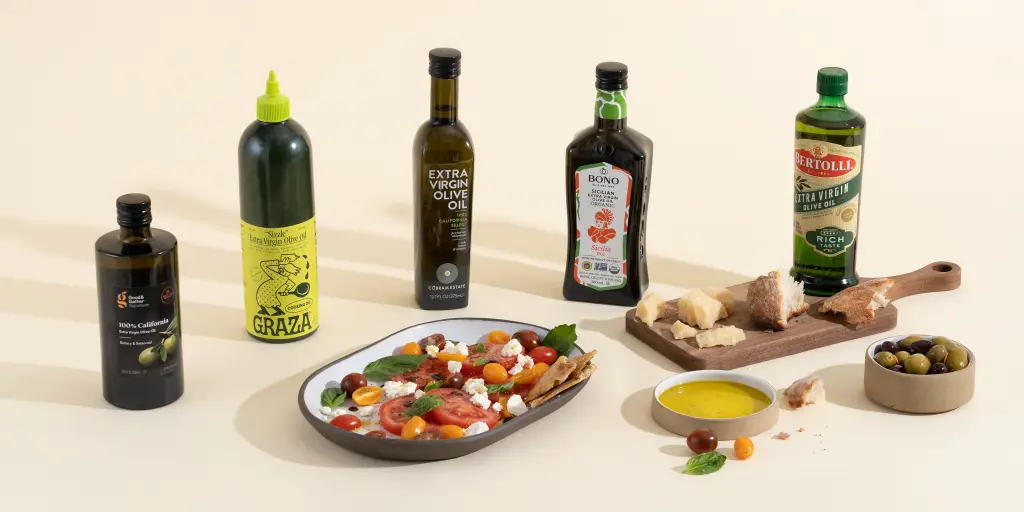
The Rising Threat of Olive Oil Fraud and Adulteration
Olive oil draws fraud attempts because of its value, variable harvests, and ease of blending with lower-cost oils or pomace derivatives. The 2026 ECA audit highlighted that while EU rules cover authenticity, quality, and traceability adequately, member states apply them inconsistently—some skip minimum checks, limit lab scope, or overlook e-commerce channels. Most non-compliance traced to degradation from storage rather than deliberate intent, yet deliberate cases persist: mislabeling origin, adding undeclared oils, or overstating grade.
Enforcement snapshots from recent years illustrate the scale. Italian operations seized undocumented extra virgin volumes worth significant sums, while Belgian retail testing found widespread failures in extra virgin claims. Economic drivers remain strong—fraudsters capture margins by selling blends at premium prices. Brands absorb the fallout through lost sales, penalties, consumer distrust, and damaged reputation when quality fluctuates. In restaurants, routine refilling compromises portion accuracy and introduces unknown oils, heightening liability.
Forward-looking data suggests ongoing exposure. Import-dependent markets like the U.S. continue expanding consumption, but low-entry-price products raise red flags for adulteration risk. Premium extra virgin olive oil lines require layered defenses. Physical barriers like non-refillable pop-up caps complement testing protocols, helping close vulnerabilities that paperwork and sampling alone leave open.
Understanding Non-Refillable Pop-Up Caps
Non-refillable pop-up caps rely on a precise internal assembly. The aluminum outer shell contains a plastic insert fitted with a spring mechanism. First opening triggers the pop-up, revealing the pour channel. An integrated valve or tortuous path allows outward flow for normal use but blocks reverse entry, making refilling difficult without visible compromise.
Tamper-evident features complete the system. Breakable rings or seals detach during opening, providing undeniable evidence at the point of consumption. This combination discourages casual interference and signals integrity to the end user.
Standard pourer caps emphasize smooth, low-drip dispensing suited to home kitchens. They allow uncomplicated refilling, functional for household needs but inadequate where commercial substitution or export tampering poses threats.
Non-refillable pop-up caps prioritize safeguarding. The irreversible activation and anti-refill design control dispense volume while preventing adulteration. Measured pouring works well with extra virgin olive oil viscosity, avoiding mess while upholding quality perception.
Compatibility centers on common neck finishes. The 31.5*24mm specification aligns with Dorica, Marasca, and equivalent glass bottles prevalent in olive oil, vinegar, and condiment categories.
Key Benefits for Premium Extra Virgin Olive Oil Brands
Non-refillable pop-up caps deliver measurable value across production and distribution.
Brand equity protection stands central. Tamper-evident indicators and the non-refillable function confirm contents reach buyers unaltered. In regions emphasizing protected designations or geographical indications, this reinforcement reduces disputes and complaint rates.
Export alignment strengthens. Markets with rigorous authenticity mandates gain from added physical deterrence. Anti-refill olive oil closures support compliance documentation, limiting exposure during transit or customs review.
Foodservice channels realize immediate returns. Consistent portions hold without substitution risk. Operators maintain quality across multiple servings and curb waste from unauthorized refills.
Consumer interaction benefits remain intact. The pop-up enables accurate, drip-free pouring, preserving the premium handling experience in culinary applications.
Sustainability considerations fit current directions. Aluminum-plastic builds keep weight down for shipping efficiency and offer recyclability pathways, addressing packaging environmental profiles.
Scalability suits diverse operations. Flexible order quantities permit custom runs for market trials, seasonal releases, or brand extensions without forcing large commitments.
Choosing the Right 31.5*24mm Non-Refillable Pop-Up Cap
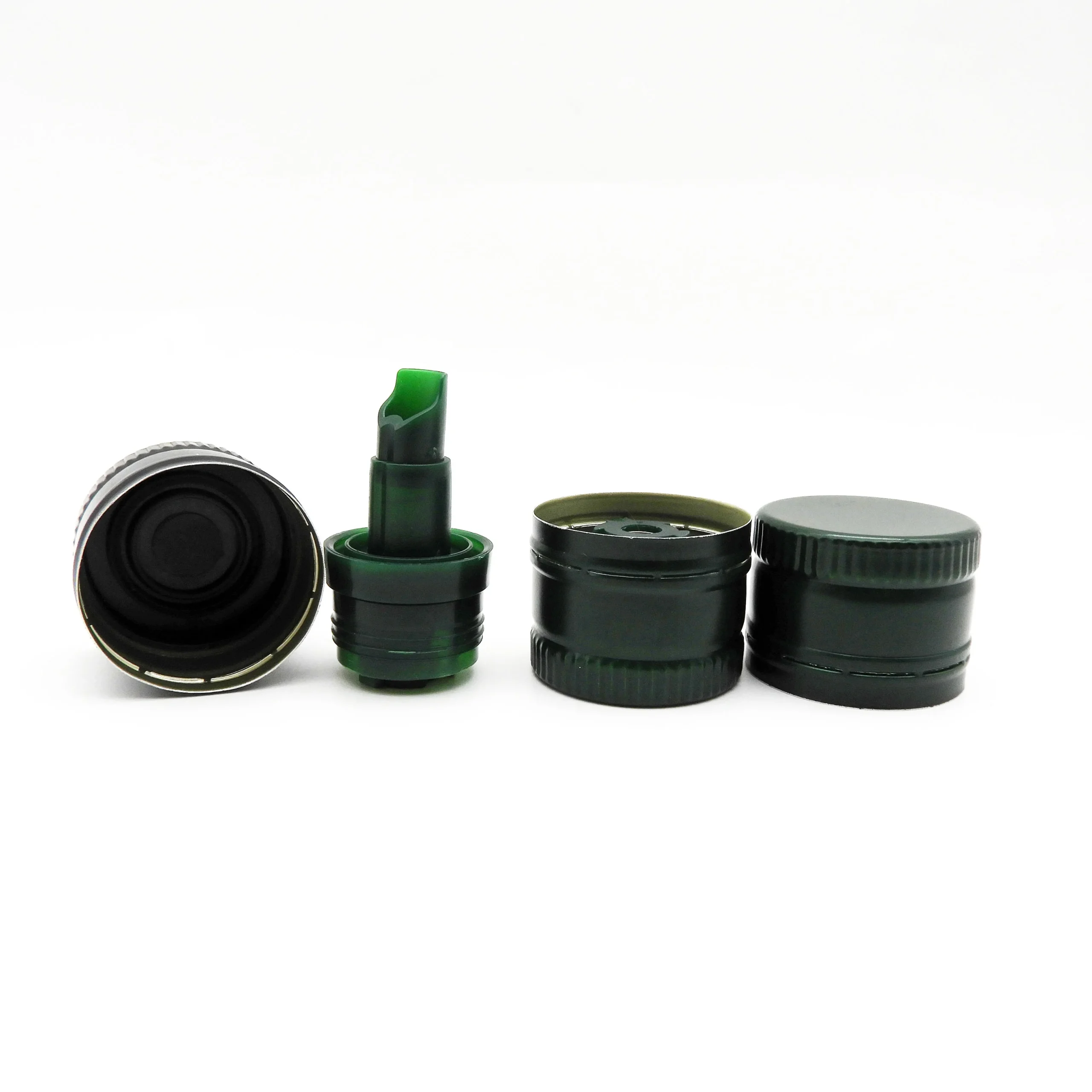
The 31.5*24mm finish holds as the go-to for olive oil glass packaging, suiting 250ml to 1L capacities and standard filling setups.
This aluminium-plastic pop-up cap integrates a spring insert for non-refillable operation. Post-opening backfill prevention pairs with the pop-up for controlled, low-drip dispensing tailored to oil flow characteristics.
Decoration extends to top and side logo applications using methods that accommodate fine detail. Smaller minimums support producers scaling up or testing variants.
Sealing performance hinges on exact fit. Thread diameter, root diameter, and height require verification against bottle specs. Suppliers check drawings or samples to prevent torque-related or pressure-induced leaks.
Yantai Original: A Reliable Partner in Packaging Solutions
Yantai Original Package Co., Ltd., established in 2017 in Yantai, Shandong Province, accumulates over eight years of specialized export experience in bottle caps. Activities concentrate on aluminium and aluminium-plastic closures, integrated with glass bottle and carton supply chains.
Flexible minimum quantities distinguish the approach, permitting smaller producers to implement branded solutions without surplus inventory. Integrated supply mitigates tolerance mismatches, as engineering reviews neck finish data or physical samples ahead of production.
Automated lines uphold uniformity in sealing integrity and surface decoration. Location near major ports supports streamlined global delivery. Yantai Original functions as a consistent resource for brands pursuing secure, customized closures that maintain product standards.
Conclusion
Fraud exposure and authenticity demands carry forward into 2026 for olive oil. Non-refillable pop-up caps supply a straightforward, dependable countermeasure for premium extra virgin olive oil brands. Refill prevention, tamper evidence, and precise dispensing protect positioning, satisfy market rules, and reinforce buyer confidence. With premium focus intensifying against persistent challenges, these closures move into the essential category.
Producers reviewing options should assess the 31.5*24mm aluminium-plastic pop-up cap for its established anti-refill capability on conventional bottles. Connect with suppliers featuring rigorous fit verification to obtain samples and specification details.
Frequently Asked Questions
What stops refilling in a non-refillable pop-up cap used on olive oil bottles?
The spring-loaded insert activates on first opening, engaging a one-way valve or labyrinth path. Normal outflow functions without issue, but reverse attempts encounter resistance or produce visible damage, blocking adulteration in distribution or foodservice environments.
How do I check if an olive oil bottle neck finish suits a 31.5*24mm non-refillable cap?
Submit a technical drawing of the finish or forward a physical sample. Measurements of thread diameter (T), root diameter (E), and height (H) confirm compatibility and guide selection for a reliable, leak-free seal.
Why select non-refillable pop-up caps over standard pourers for premium extra virgin olive oil?
Standard pourers facilitate refilling, heightening adulteration exposure in restaurants or export channels. Non-refillable designs incorporate tamper-evident features and anti-refill barriers, preserving authenticity while delivering controlled, effective pouring.
Can non-refillable pop-up caps carry custom logo printing for olive oil brands?
Yes, printing targets top and side areas. Production accommodates detailed artwork and modest quantities, matching tamper-evident olive oil closures to brand requirements.
What leads to leakage when a non-refillable cap does not seal correctly on an olive oil bottle?
Dimensional mismatch between cap and neck finish usually causes the problem. Verify specifications prior to ordering. Established suppliers run torque and pressure tests during manufacturing to validate sealing under typical use conditions.


