


The 18mm bottle cap is a critical component to ensure the safety of the product, prevent leakage, and ensure ease of use. The caps are used to package essential oils, cosmetic serums, pharmaceuticals, as well as other types of plastic bottled products. Our bottle caps are designed to create a secure seal to the bottle, while being easy to open, and fitting onto the neck finish of the bottle. High quality bottle caps are an important aspect of packaging a product, as they help to protect the product from leakage, oxidation, and contamination. They also help to enhance the appearance of the product and create brand recognition.
Deciding on the correct 18mm cap for your specific needs can be difficult due to the many cap materials, liner options, sealing structures, and cap customizations that are available. When selecting the correct closure for your bottle it is important to take into consideration the bottle itself, the product that is being filled, the filling process, how the product will be transported and stored, as well as any branding needs that your product may require. In choosing the correct cap, manufacturers and brand owners can work to ensure that the product is properly secured to help to reduce product loss and improve packaging reliability, while also enhancing the consumer experience.
Read on for a comprehensive Guide on choosing the best 18mm bottle cap for your essential oil bottles as well as your regular plastic bottles. We examine key criteria to select from including material compatibility, seal performance, bottle neck finish dimensions and how you can get your bottle caps customized. We also cover the many errors most buyers make in selecting a cap that fits their bottle needs whether retail or industrial.
What Factors Should Be Considered When Selecting an 18mm Bottle Cap?
Finding the correct cap for an 18mm bottle of essential oils or regular plastic bottle is crucial as you will want to maintain the bottle’s integrity, ensure the product can still be used and keep the product and bottle looking as good as possible. There are a number of different factors which need to be taken into account. Mainly technical factors and design aspects, that affect the seal, chemical resistance and look.
Material Compatibility Between Bottle and Cap
The choice of bottle caps 18mm in size first has to consider the question of material compatibility with Essential Oils, which are chemically active and can possibly react with plastic and metal materials of bottle caps if not chosen correctly. For caps of bottle neck openers 18mm there are several materials available, like polypropylene (PP), polyethylene (PE), aluminum, and phenolic resin. All of these materials have their special characteristics: PP for example is chemically resistant and flexible; PE provides good sealing; aluminum is very durable and makes for a high-quality appearance; phenolic resin is heat resistant up to very high temperatures.
For bottles containing essential oils, bottles equipped with PP or phenolic caps are preferred as these materials do not degenerate. Also, for plastic bottles, particularly those made of PET or HDPE, the same type of resin should be used for the cap and bottle in order to avoid the risk of cracking or leakage when in storage. PP caps on PET bottles are a common cause of cracking.
Seal Integrity and Leakage Prevention
Seal integrity is the means by which a bottle closure prevents leakage, evaporation and contamination. Most caps for essential oil bottles are fitted with liners. These can be made of PE foam, expanded polyethylene (EPE) or Teflon. The liners act as a flexible seal between the neck of the bottle and the inside of the cap.
The torque requirement must be specified for the same reason why the closing requirement must be specified. Too much torque can deform threads and strip screw closures. Insufficient torque will not provide a tight enough seal. In automated filling lines with screw closure it is essential to set the required torque in order to keep the seal tight within large production batches. A leak-tight design is essential for containers to be used for export purposes as pressure within the container can change due to temperature variations.
Aesthetic and Functional Design Elements
Beyond function design also has a strong impact on the brand image of the product. The color, surface finish and the texture of the caps need to match the bottle. The smooth surface of the caps conveys an upscale cosmetic appearance while at the same time offering a better grip when opening. For consumer safety assurance and for verification of product authenticity a breakaway ring is recommended for the tamper-evident feature.
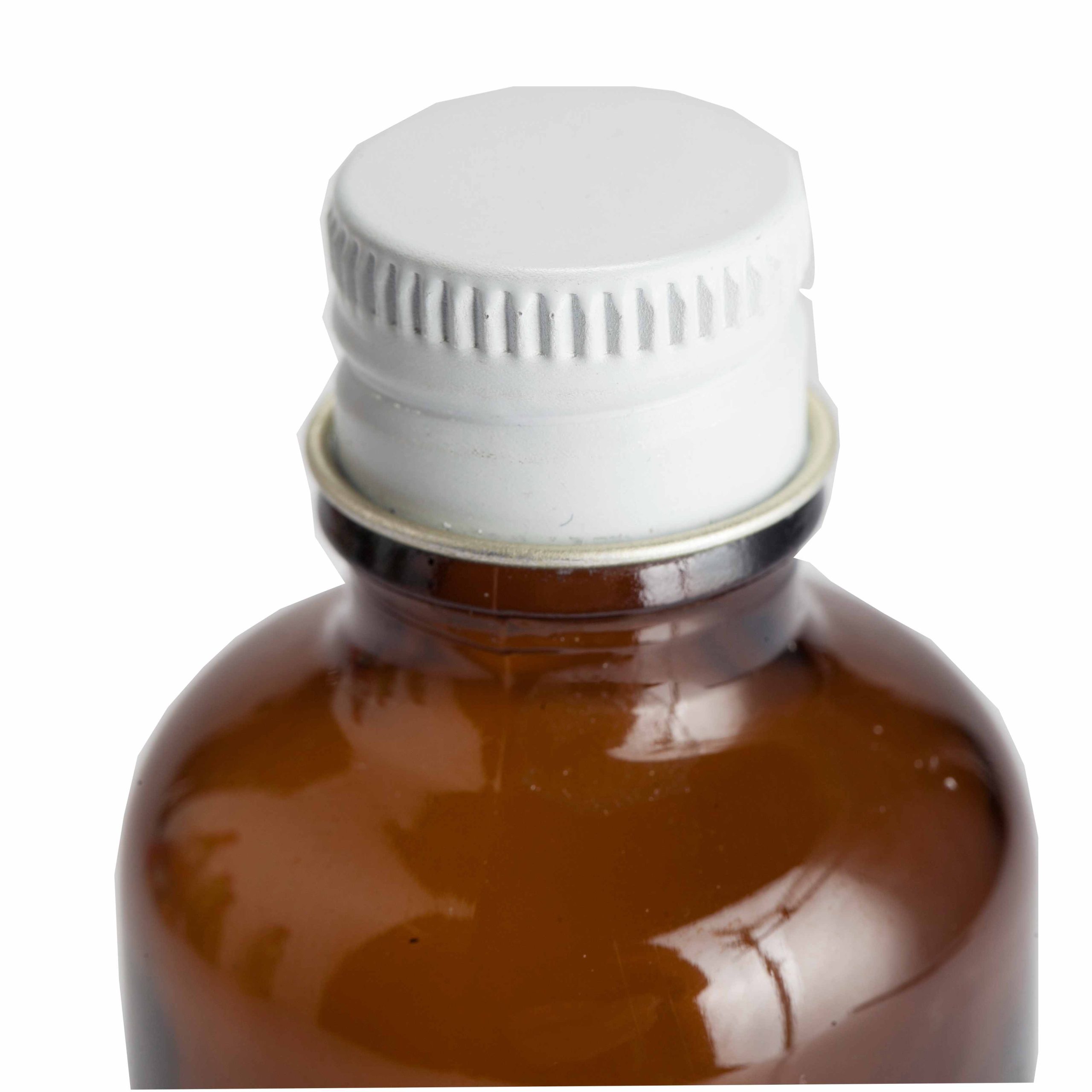
A combination of form and function is provided by our 18mm rolled-edge cap, which is used on the amber essential oil bottles. This cap seals well to prevent leakage while allowing for printed logos to provide further brand recognition.
How Do Different Types of 18mm Bottle Caps Perform for Essential Oil Bottles?
Closures for packaging of essential oils have to be specially designed to prevent the oil from deteriorating through oxidation or evaporation while at the same time being able to be distributed in a controlled manner.
Dropper Caps for Controlled Dispensing
A dropper cap contains a pipette made of glass or plastic within the closure of a bottle. As an intelligent solution for the precise dosage of essential oils, the dropper cap saves resources and is particularly clean, because with the dropper cap the user does not come into contact with the essential oil, in contrast to turning up a cap. For this reason, dropper caps are used preferentially in aromatherapy products.
Euro Dropper Inserts with Tamper-Evident Caps
Euro droppers are one of the most popular forms of packaging for essential oils. They consistently deliver the same amount of oil in each drop and are designed to not leak. The insert can be set to any flow rate and will work even when the bottle is turned upside down. Paired with our tamper-evident caps featuring breakaway rings, this is a great system for delivering oil in precise amounts while ensuring the customer knows if the package has been previously opened.
Screw Caps with Inner Liners
Screw caps equipped with inner liners provide robust protection against air ingress—a key factor in maintaining essential oil stability over time. Liners such as EPE or Teflon create an additional barrier layer that enhances sealing performance. These closures are compatible with both glass and PET bottles provided that thread dimensions match industry standards like 18/410 or 18/415.
How Should 18mm Caps Be Chosen for Plastic Bottles?
Plastic bottles have their own set of challenges as opposed to glass containers. They can for example inflate when exposed to temperature changes and have a different behavior when subjected to mechanical stress.
Thread Compatibility Between Cap and Neck Finish
Thread compatibility ensures proper engagement between the bottle neck finish and cap threads. Mismatched profiles can cause cross-threading or incomplete seals leading to leaks during handling or transportation. Standardized measurements following SPI or GPI norms—such as 18/410—should always be verified before mass production begins.
Resistance to Pressure, Heat, and Chemical Exposure
Because most plastic materials, including PET, can change shape when subjected to heat, caps must be chosen on the basis of their ability to hold their shape under stress. Caps for products containing volatile solvents or aggressive ingredients must be made from chemically resistant materials to prevent softening or discolouration. Products containing carbonated liquids or pressurized products require pressure-resistant closures to prevent shape change.
Ease of Application in Automated Filling Lines
In high volume manufacturing lightweight yet robust caps can provide significant advantages. Reducing weight of caps enables to decrease wear on the machinery and to save on the shipping. Automatic capping machines require constant torque to be applied. Therefore, consistent thread design is essential for efficient and secure capping of thousands of parts per hour.
Why Is Yantai Original Import and Export Co., Ltd a Reliable Supplier of Bottle Caps?
Yantai Original Import and Export Co., Ltd, as a global supplier of packaging solution for cosmetics, essential oils, pharmaceuticals and food products, now also offers bottle caps and other closures, as well as droppers and other types of dispensers.
Company Strengths in Product Quality and Customization
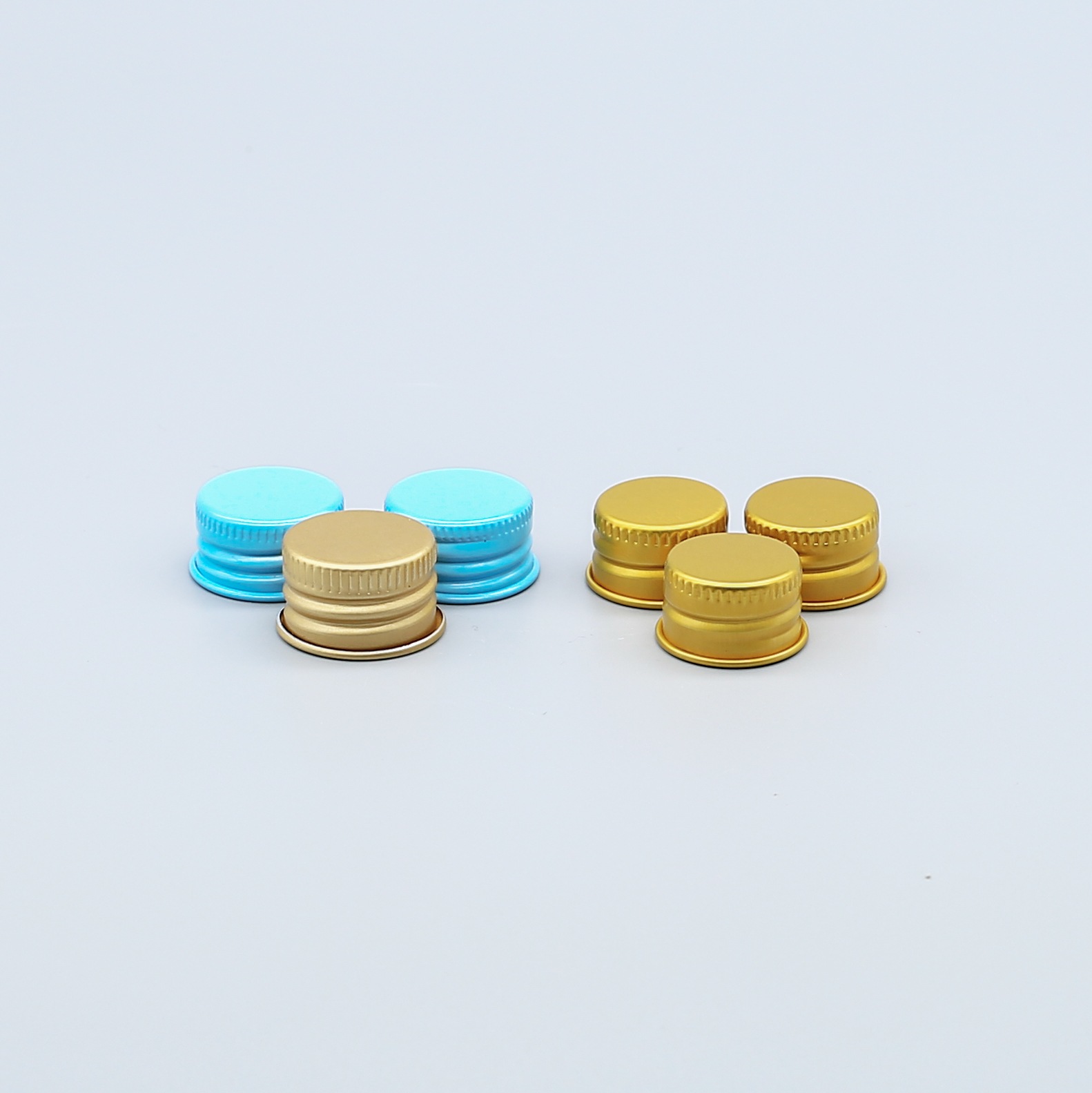
We supply a large selection of 18mm caps that fit both amber essential oil bottles as well as other plastic containers from different industries. All caps are made with great care during the molding process, and we check the liner adhesion strength to guarantee a tight seal without leaks. Our caps can be customized in many ways such as different colors, embossed logos, coated with UV, or even printed with metallic foil to enhance brand recognition while maintaining cap functionality.
In addition to standard stock colors, Yantai Original also supports private labeling projects. Depending on marketing requirements for example, such as to make a product look less shiny, the surface texture can be changed to for example a matte finish or glossy finish.
Global Service Network and Technical Support
Yantai Original has distribution networks covering several continents and providing efficient logistics for supplying in time even in case of very large orders. In selecting the appropriate closure the technical department is also able to take account of the viscosity of the contents as well as the environmental conditions in which the goods will be transported and stored. The R&D department is always up-to-date in terms of innovation, able to design closures that are in line with the latest eco-sustainable trends including the use of recyclable materials and of eco-designs that are light in weight.
What Are Common Mistakes to Avoid When Choosing an 18mm Bottle Cap?
Even experienced users can overlook critical packaging integrity issues if relevant technical criteria are not considered during selection.
Ignoring Liner Compatibility with Product Formula
Not all liner materials are suitable for all products. Some materials may absorb Fragrance or essential oil components and cause changes to the odor of the product. Over time Fragrance or essential oil can also seep through microchannels in the liner material. Compatibility testing of liner materials against specific product compositions prior to start of full production run can prevent such failures.
Overlooking Torque Calibration During Capping
Inadequate application of torque is one of the most frequent causes of leakage complaints in bottling plants. Over tightening of corks or caps can damage threads on corks as well as on neck finish of bottles, whereas under tightening causes inadequate compression of liners leading to vapor loss when stored.
Neglecting Environmental Factors
Environmental exposure such as ultraviolet radiation can degrade non-stabilized plastics to become brittle with extended shelf life. This is particularly true for transparent PET bottles displayed in retail environments with lighting. The use of UV-stabilized materials ensures that the materials chosen maintain the mechanical properties of the articles throughout their distribution life even in very humid climates.
Key Takeaways on Selecting the Right 18mm Bottle Cap
Selecting an appropriate 18mm bottle cap requires balancing technical precision with functional aesthetics across diverse applications ranging from amber essential oil bottles to transparent plastic containers. Material compatibility ensures chemical stability; seal integrity safeguards against leakage; thread alignment guarantees mechanical fit; supplier reliability secures consistent quality supply chains through customized manufacturing capabilities—all contributing collectively toward optimal packaging performance from production line filling through end-user utilization.
FAQs
1. What does “18mm” refer to in bottle cap sizing?
It indicates the internal diameter of the cap’s opening corresponding to standard neck finishes such as 18/410 or 18/415 commonly used across cosmetic and pharmaceutical packaging lines.
2. Can the same 18mm cap be used on both glass and plastic bottles?
Yes, as long as the neck dimensions are exactly the same. Then we would also like to verify the chemical compatibility with the given plastics, as they might react differently than the glass substrates in contact with aromatic compounds of essential oils.
3. Which liner type is most suitable for essential oil packaging?
EPE liners offer cushioning and strong chemical resistance. They are perfect for volatile formulations which require long-term storage stability and for which it is important that no odor is absorbed.
4. How can I ensure leak-proof performance during transportation?
Perform routine check of pre-determined torque verification on capped items. Then check for vacuum leaks on capping process simulated for transportation shock and vibration. Also to check closure ability to fluctuating en route pressure from distribution channels.
5. Does Yantai Original Import & Export Co., Ltd offer custom-designed caps?
Yes—they offer bespoke solutions such as Personalized color, Embossed branding, Surface finishes, Structural modifications to enable functional requirements of client, All of the above integrated into overall product presentation.


