


Jar lids serve a crucial function in dry food packaging. They greatly impact sealing quality, item safety, store display, and the user’s unsealing experience. For items like dried fruit, mixed nuts, roasted seeds, candy, tea, coffee beans, spices, granola, and various shelf-stable snacks, the closure needs to fit the jar neck perfectly. It also must meet the storage demands of the contents. Among typical packaging choices, 58mm, 63mm and 89mm jar lids are paired with plastic and glass containers across many volumes. While these closures might also work for personal care and household goods, this article primarily highlights food and snack packaging. It details what purchasers need to check prior to large-scale manufacturing.
How Are 58mm, 63mm and 89mm Jar Lids Different?
Distinct lid widths match specific jar mouths, fill capacities, goods, and store displays. Purchasers need to pick the closure based on the precise neck finish of the container. They should also consider the dimensions of the food chunks, the needed mouth width, and the entire packaging style. Relying solely on the stated diameter is not advised.
58mm Jar Lids
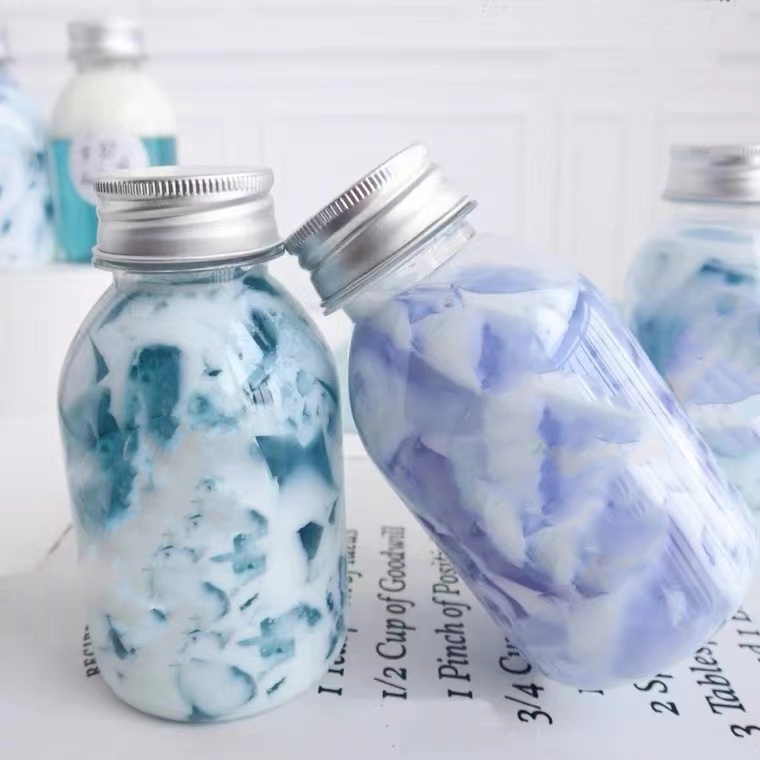
A 58mm jar lid usually fits little containers and small retail bundles nicely. It works well for trial packs of dried berries, tiny servings of nuts or seeds, and spices. It is also good for loose-leaf tea, candy, mints, coffee samples, and gift-box parts. The narrower mouth helps build a tidy and light parcel. This makes it ideal for trips, testing, or marketing campaigns.
Companies might select this width for smaller fill amounts, multipack collections, and unique items. In these cases, a neat look matters greatly. Before finalizing the closure, purchasers must verify something important. They need to ensure bigger nut chunks, dried fruit pieces, or sweet treats can pass through the chosen jar mouth easily.
63mm Jar Lids
A 63mm jar lid stands as an adaptable, middle-sized choice for numerous regular food containers. People use it for mixed nuts, dried fruit, roasted seeds, tea, and coffee beans. It also works for granola, powdered drink mixes, herbs, spices, candy, and snack mixes. The final choice relies on the container style and the needed fill amount.
The middle-sized mouth provides a sensible mix of easy access and parcel size. Shoppers can normally tip out or grab the contents with ease. Meanwhile, the container stays small enough for store racks, present boxes, and internet delivery. This width fits both daily food lines and store-brand snack wrapping.
89mm Jar Lids
An 89mm jar lid is mostly matched with bigger or broad-mouth vessels. It fits household-size nut blends, dried mango, or other bulky fruit chunks perfectly. It is also great for biscuits, candy, granola, cereal toppings, coffee beans, powdered meals, and massive snack containers.
The broader mouth makes packing and taking out items simpler. This is especially true for uneven or huge chunks. Furthermore, it gives extra room for upper styling, raised patterns, or printed logos. For bigger retail bundles and food-service setups, purchasers must verify a key detail. They need to ensure the closure, inner seal, and container hold the needed tight fit during piling, keeping, and moving.
Which Lid Material Is Better for Dry Food Jars?
The choice of material affects the look, heaviness, price, twisting action, and harmony with the stored item. Aluminum, plastic, and mixed aluminum-plastic builds are all valid choices. However, food-safe status, inner seal choice, and local market rules must be checked for the end packaging setup.
Aluminum Jar Lids
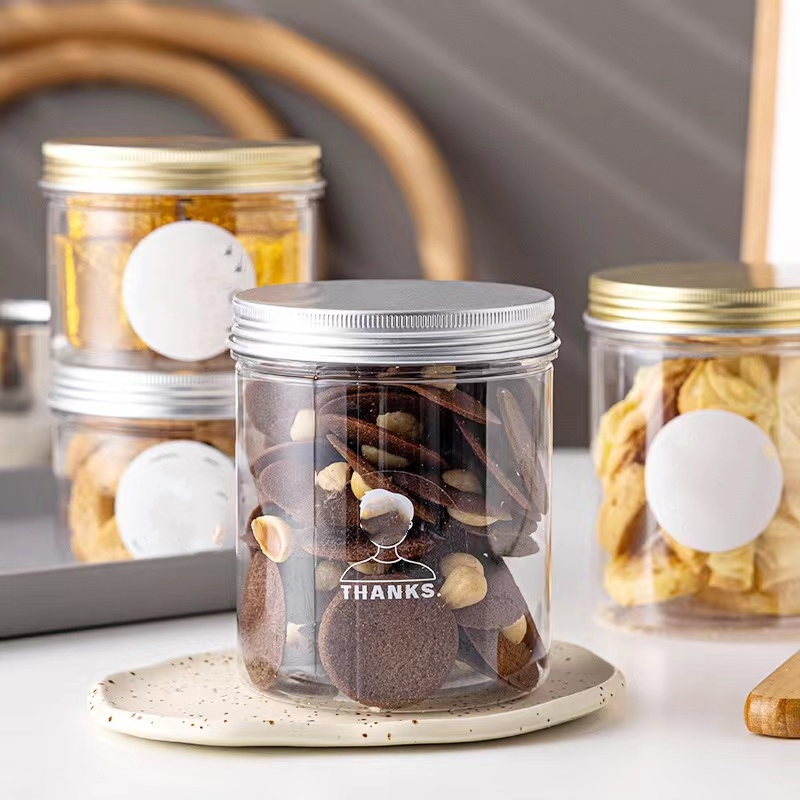
Aluminum lids are frequently picked for tea, coffee, nuts, dried fruit, spices, candy, and high-end gift wrapping. They offer a neat, shiny look. Dull, shiny, brushed, printed, raised, and special-colored styles are offered to match diverse company looks.
The metal cover can boost the seen worth. Yet, purchasers must check the inner layer, seal, twist build, and food-safe rules. The whole closure-and-container pair needs testing with the real item prior to mass packing.
Plastic Jar Lids
Plastic lids are light, budget-friendly, and offered in numerous shades and forms. They fit everyday nuts, dried fruit, sweets, spices, powdered goods, and animal snacks. They also work for other dry items where low parcel weight and easy resealing matter most.
Plastic closures can also handle massive output amounts and special shaping. The picked plastic, color mix, seal, and extras must meet the proper food-safe rules. These rules apply to the target market and the planned keeping conditions.
Aluminum-Plastic Jar Lids
Aluminum-plastic lids blend a pretty metal outer cover with a working plastic inner frame. This choice gives top-tier dried fruit, nut, tea, coffee, and gift snack wrapping a shiny look. At the same time, it keeps steady shaped twists and reliable unsealing action.
For 58mm, 63mm and 89mm jar lids, purchasers might think about this frame when both store appeal and handy resealing matter. The style still needs to match the real container neck, seal, packing method, and food-safe details.
How Should Buyers Match Jar Lids with Plastic and Glass Food Jars?
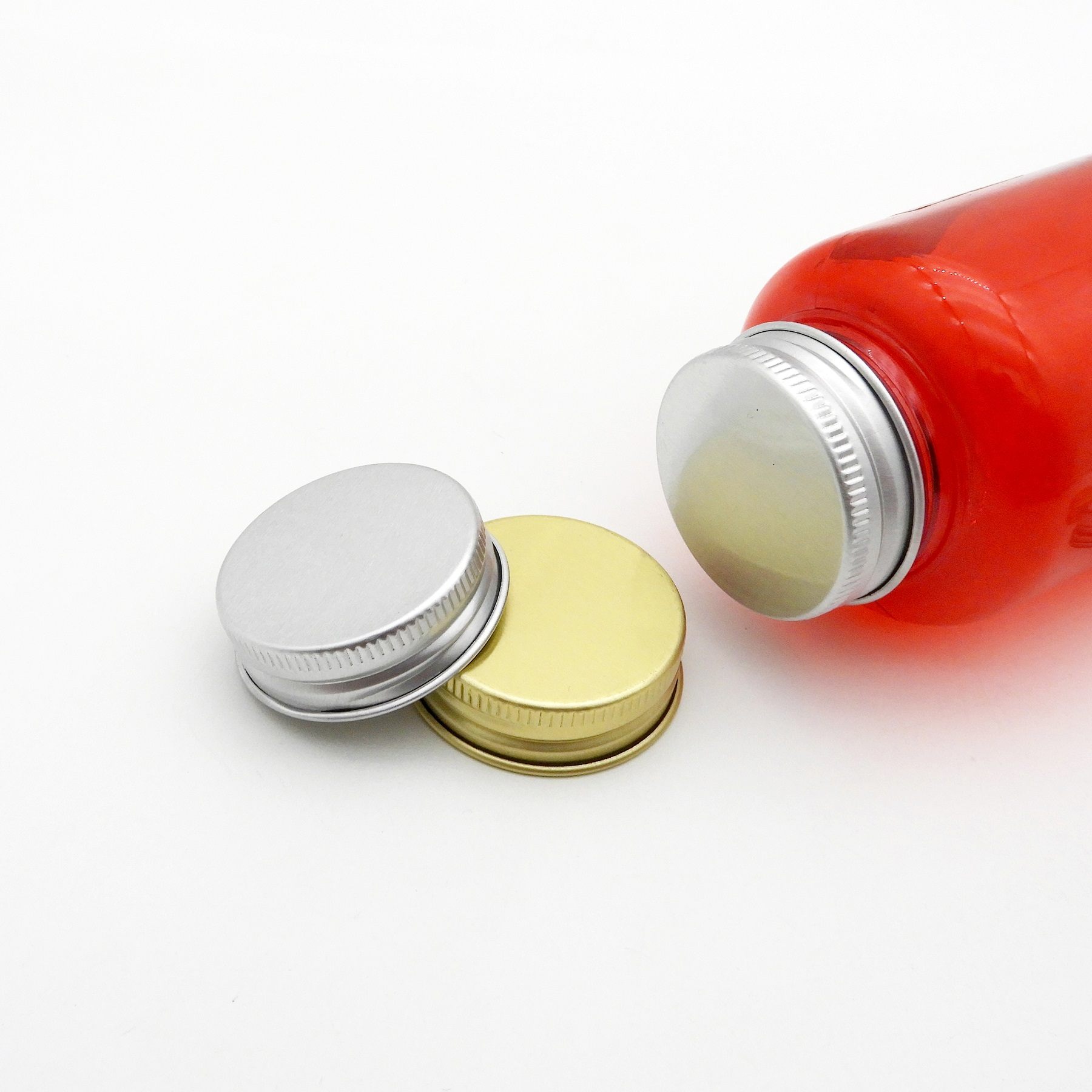
A closure must fit the container exactly. The same stated width does not promise a good match. Twist shape, neck depth, sealing edge, allowed variance, and container material can vary. Purchasers need to check the container, closure, seal, and item as a single wrapping setup.
Check the Neck Finish
First, check the container mouth width, twist type, number of twist starts, neck tallness, and sealing area. For instance, a single 63mm lid might not fit every container called 63mm. Plastic and glass vessels can have distinct allowed variances and twist shapes. This is true even when the outside width looks alike.
Prior to large-scale manufacturing, purchasers should supply a real container example or a precise technical sketch. Test fitting with the actual vessel is the safest way to verify twisting force, twist grip, seal squish, and visual appeal.
Confirm the Packaged Product
Distinct dry foods have diverse wrapping needs. Nuts and seeds might need guarding against air and dampness. Dried fruit can soak up wetness. Tea, coffee, and spices might require scent locking. Fine powders can gather around the twist. Oily snack items might need extra harmony checks. The provider must know the item kind, packing heat, hoped-for shelf span, and keeping setting. They also need to know if the food will touch the seal or closure.
Test Before Mass Production
Sample checking should include unsealing and sealing, spilling where valid, seal sticking, fall toughness, travel shaking, piling, and heat shifts. Purchasers must also run proper shelf-span and food-contact checks with the real item. For shipped wrapping, checking is deeply crucial. Containers might face long travel times, vessel heat, wetness shifts, and constant moving.
What Liners or Inner Seals Should Be Considered?
The seal is a tiny part, yet it deeply affects tightness, crispness, safety proof, and shopper trust. The right choice relies on the container material, closure frame, item traits, packing method, and travel setting.
Foam Liners
Foam liners offer a squishy block for numerous dry items. They help fix tiny shifts at the container edge. People might think about them for nuts, dried fruit, candy, spices, tea, and powdered goods. This works when the needed block level and unsealing style fit. Harmony and food-safe status must be checked prior to usage.
Pressure-Sensitive Liners
Pressure-sensitive liners stick to the container edge after the closure goes on. They offer a clear first-open block. They are sometimes picked for dry foods, health pills, sweets, and snack items. Their action relies on the container material, surface state, twisting force, keeping time, and item. Therefore, sample checking is vital.
Induction Seals or PE Sealing Discs
Induction seals or PE sealing discs might be picked when tougher wetness, scent, spill, or safety guard is needed. They prove handy for nuts, dried fruit, coffee, tea, spices, powders, and other items needing extra block action. The seal frame must match the plastic or glass vessel, the packing line, and the target market’s food-wrapping rules.
Why Choose Yantai Original Import and Export Co., Ltd as a Food Jar Lids Supplier?
Yantai Original Import and Export Co., Ltd provides bottle caps, jar lids, glass bottles, plastic vessels, and linked wrapping parts for diverse fields. For dried fruit, nuts, candy, tea, coffee, spices, snacks, and other dry-food tasks, the firm offers help. They assist with closure-size picking, container matching, seal talks, special shades, logo styling, and wrapping teamwork.
For tasks needing 58mm, 63mm or 89mm jar lids, purchasers can supply real container examples, sketches, item details, designs, target market, and order numbers. The crew can check the closure frame, seal, styling method, and container fit prior to large-scale manufacturing. Final food-safe standing and shelf-span fitness must be verified for the whole wrapping setup.
Conclusion
Picking the proper jar lid takes more than picking a width. Purchasers must check the container material, neck finish, item kind, mouth size, seal, blocking goal, styling, and travel settings. A 58mm lid fits samples, spices, tea, candy, and tiny snack packs well. A 63mm lid stands as a sensible choice for numerous regular nuts, dried fruit, granola, and coffee vessels. An 89mm lid fits bigger chunks, household-size items, and broad-mouth vessels better.
For food makers, wrapping sellers, store-brand snack firms, and container providers, the proper closure aids item safety. It also helps handy resealing, store display, and shopper trust. Checking the closure with the real container and packed food prior to a massive order stays the safest path.
FAQs
1. Can one 63mm jar lid fit all 63mm food jars?
No. The closure must match the container’s twist shape, neck tallness, sealing area, and making variance. A real fit check or a precise container sketch is advised prior to massive manufacturing.
2. Which lid size is suitable for dried fruit and nut packaging?
The pick relies on container space, item-chunk size, and the wanted mouth width. A 58mm lid might fit samples and tiny snack packs. 63mm works for numerous regular retail vessels. Meanwhile, 89mm often fits household-size items, massive dried fruit chunks, mixed nuts, biscuits, or broad-mouth vessels better.
3. Can food jar lids be customized with liners, logos, and colors?
Yes. Purchasers can talk about seal kinds, heat blocks, special shades, printing, heat stamping, raised patterns, and surface looks. The open method relies on the closure frame, design, order number, container material, food-safe rules, and planned market.


