


Beverage companies frequently prefer a single closure across multiple product lines. This approach cuts down stock levels. It also makes buying much easier. A 38mm aluminum ROPP cap might seem like a great fit for both hot-filled juice and carbonated soda. However, these beverages have very distinct sealing needs. Juice subjects the cap and its liner to high heat. It also involves pasteurization. Meanwhile, soda builds up internal pressure while sitting in storage or moving through transit. A single cap can indeed handle both tasks. Yet, this only works if the shell, the liner, the bottle finish, and the capping process undergo thorough testing. They must function together as one unified packaging system.
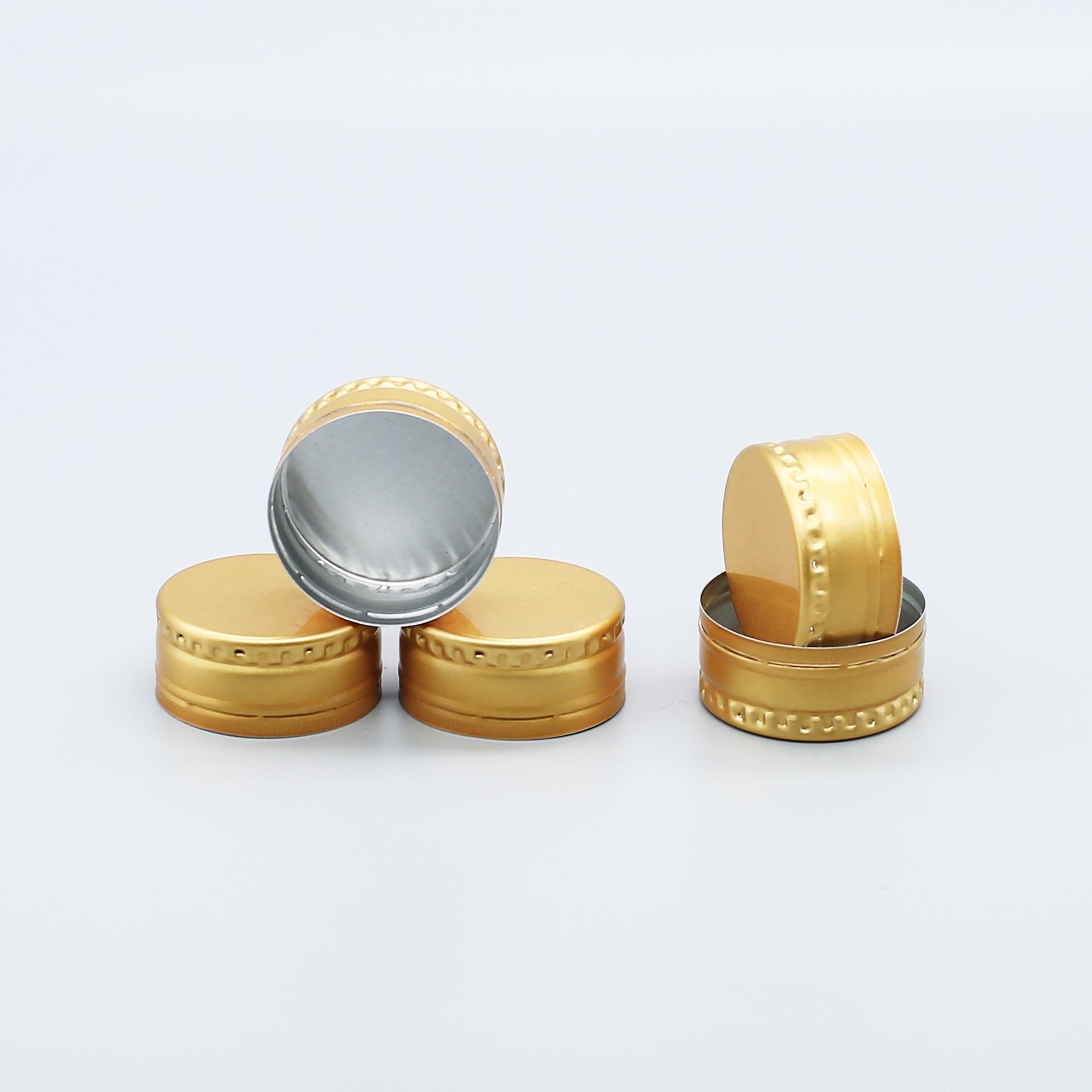
What Makes a 38mm Aluminum ROPP Cap Suitable for Different Beverages?
A ROPP closure is much more than just a basic metal shell. Its overall success relies heavily on how well the aluminum body interacts with the liner. The bottle neck and the capping equipment play crucial roles here as well.
How Does the Aluminum Shell Create a Secure Closure?
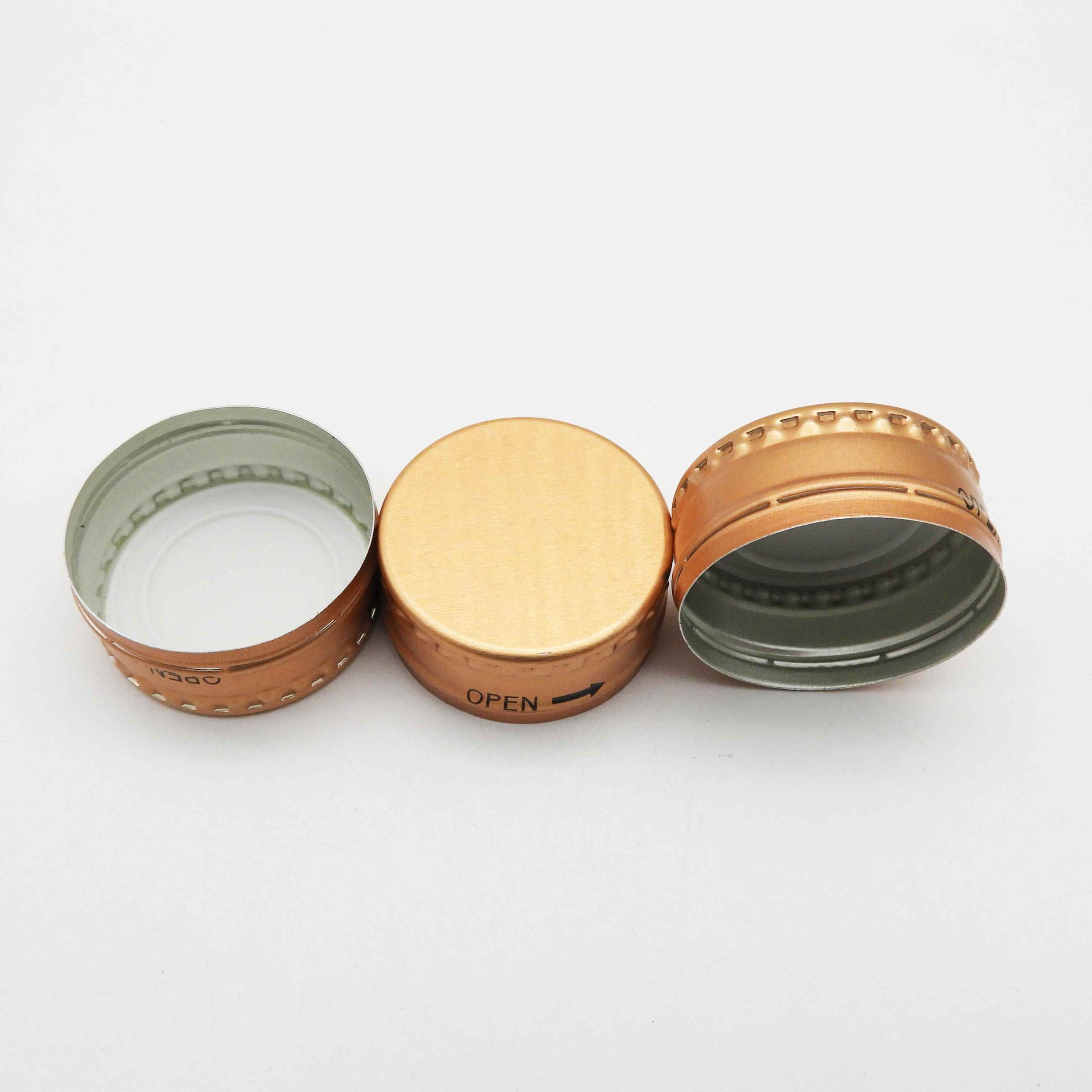
ROPP stands for roll-on pilfer-proof. When applied, machine rollers shape the thread. They also form the tamper-evident band directly around the bottle finish. This action guarantees a very tight fit. Furthermore, it provides buyers with clear proof if the bottle was previously opened.
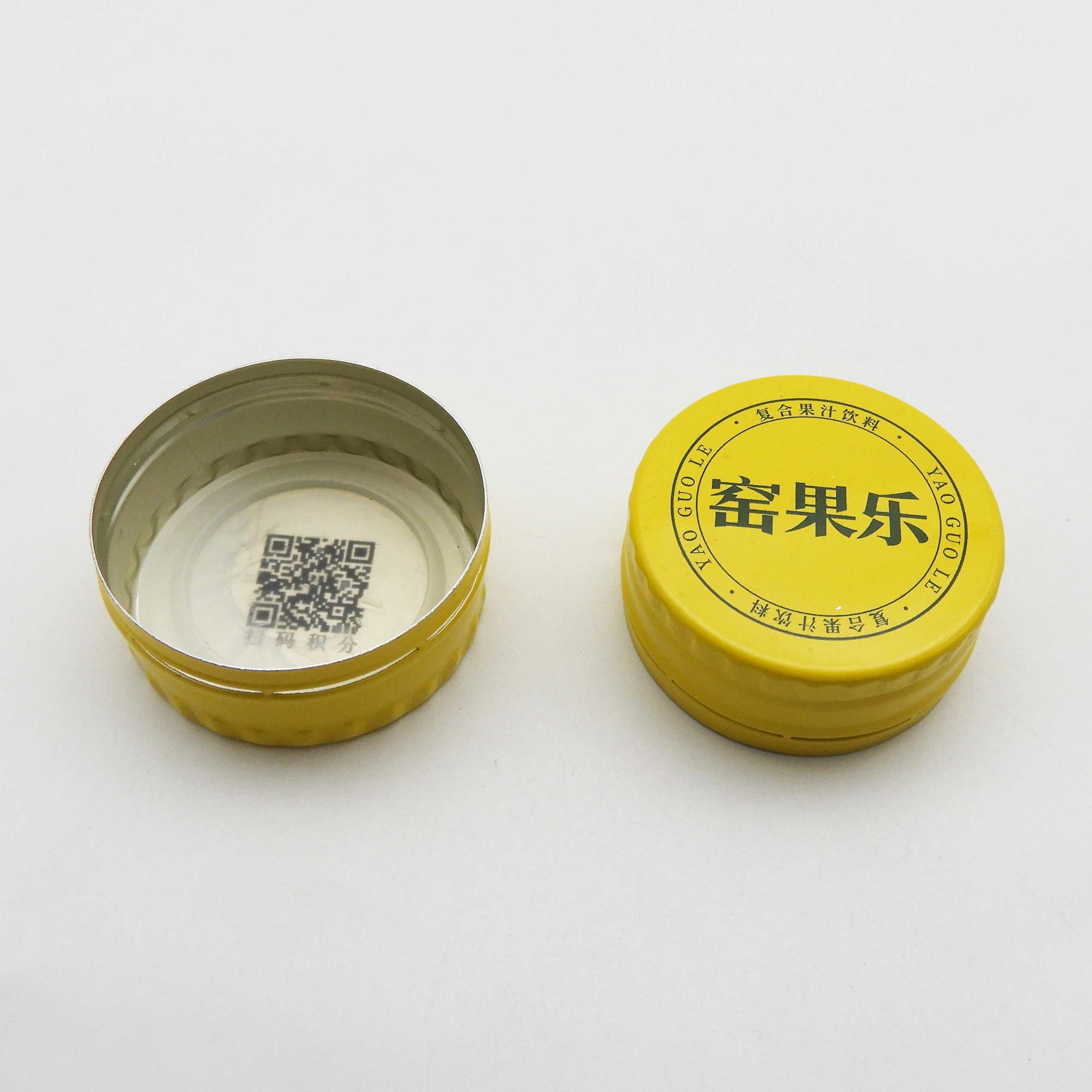
Aluminum is quite light and easy to print on. Therefore, it works perfectly for high-end beverage packaging. You can decorate it with custom colors and company logos. Text and QR codes fit nicely too. Even so, certain physical traits must line up exactly with the bottle and the capping machine. These include the cap height, metal thickness, bridge design, and overall forming quality.
Why Is the TPE Liner Critical?
The liner firmly seals the tiny gap between the cap and the bottle lip. A food-grade TPE liner provides excellent elastic recovery. This specific feature helps the material stay in constant contact with the sealing surface. It does this effectively even when temperatures shift.
If you want to use the cap for two different drinks, the liner faces tough challenges. It has to withstand the high heat of juice processing. At the same time, it must block gas from escaping out of soda bottles. Various TPE compounds exist specifically for aluminum ROPP closures. You can find versions made for flat drinks. Other versions handle carbonated beverages. Ultimately, the chosen material must suit the specific liquid inside. It must also align with the filling process, warehouse conditions, and strict food-contact rules.
How Do Hot-Filled Juice and Carbonated Soda Challenge the Cap Differently?
Both items absolutely require a strong seal. However, their primary risks are quite different. A closure might work wonderfully on flat juice. Yet, that same cap is not automatically ready for a highly pressurized soft drink.
What Happens During Hot Filling or Pasteurization?
Hot-filled juice passes intense heat directly to the bottle. It also heats up the liner and the closure. Afterward, the liquid cools down. This cooling stage creates a vacuum. Furthermore, pasteurization can alter the overall sealing force. These steps might reveal hidden flaws right at the bottle lip.
Consequently, the cap requires highly stable dimensions. It needs a proper liner and the exact right amount of application pressure. Buyers should test the cap using their real daily factory process. Simply passing a basic room-temperature leak check is never enough. Thankfully, commercial 38mm ROPP closures exist specifically for hot-fill tasks and pasteurization routines.
What Happens Inside a Carbonated Soda Bottle?
Carbonated soda constantly pushes upward against the closure. This internal pressure often climbs higher. It happens when the drink gets warm inside a warehouse or a moving truck. Suppose the liner stops touching the bottle lip. In that case, carbon dioxide will likely leak out. This loss causes a flat taste. It also shortens the shelf life and causes messy spills.
Therefore, a soda cap must deliver an incredibly strong seal. It requires precise thread formation and reliable pressure retention. In addition, its tamper-evident band has to remain completely secure throughout the shipping phase. Finally, that band must snap perfectly when the customer twists it open.
Can the Same 38mm Aluminum ROPP Cap Really Serve Both Products?
The true answer relies entirely on the complete technical specification. You cannot look at the diameter alone. Two separate 38mm caps might feature completely different heights. They could use distinct liners and unique thread profiles. Their tamper-band designs might also vary greatly.
When Is One Cap Specification a Practical Choice?
A single cap can successfully handle both products under specific conditions. First, experts must validate its liner for the necessary heat levels and pressure limits. Second, both bottles need a matching neck finish. Lastly, the closure has to run flawlessly on the chosen factory machinery.
Using a shared specification drops the number of stock-keeping units. It makes the buying process much smoother. It also simplifies artwork management. This strategy works very well for makers of juice and sparkling juice. It equally benefits soda and flavored water brands that utilize similar bottle shapes.
When Are Separate Specifications Safer?
Sometimes, separate specifications are a much safer route. You need them if the bottle finishes do not match. They are also vital if the juice heating method goes beyond the liner’s safe limits. Additionally, a soda with extra carbonation requires a specialized cap. Other factors heavily influence this choice too. These include desired shelf-life goals, shipping climates, and specific opening-torque demands.
Buyers must share detailed bottle drawings or physical samples early on. They should clearly state the filling temperature and pasteurization steps. Carbonation levels and shelf life goals are just as important. Finally, sharing capping-machine details is a must before any final approval happens.
What Should Buyers Test Before Mass Production?
Data from the supplier serves as a helpful starting point. However, actual line trials reveal the real truth. They show exactly how the cap interacts with the real bottle, the liquid, and the factory machines. Following a highly structured approval process is wise. It significantly lowers leakage risks and prevents angry customer complaints.
How Should Bottle and Cap Compatibility Be Confirmed?
You must inspect the entire bottle-neck finish thoroughly. Never rely solely on the basic 38mm diameter label. Many fine details impact the overall performance. These include the sealing surface and the neck height. The thread-forming zone and the tamper-band location matter just as much.
Physical samples help you verify the cap height. They also confirm solid liner contact and proper thread creation. Furthermore, they prove that the bridge breaks correctly. Yantai original Import and Export Co., Ltd always includes bottle-neck and cap-size confirmation as a core part of its customer service process.
Which Tests Matter Most?
For hot-filled juice, testing must cover the filling and cooling stages. It should include pasteurization if the recipe demands it. You also need to check for leaks. Measuring the opening torque and verifying shelf-life stability are critical steps. For soda, brands must assess pressure retention and monitor any carbonation loss. They should test warm storage conditions and simulate transport vibrations. Checking for leaks and testing the tamper-band function are equally essential.
All testing must happen at realistic factory speeds. Engineers should pull samples from several different batches. The entire package has to stay completely secure. It must survive the processing stage, the shipping phase, and long-term storage. Finally, it has to function perfectly upon opening.
Why Choose Yantai Original as a 38mm Aluminum ROPP Cap Supplier?
A truly dependable supplier supports technical matching alongside regular manufacturing. Beverage projects frequently demand extensive sampling. They require careful printing coordination and detailed bottle checks. Furthermore, factories often need minor line adjustments long before any commercial approval occurs.
What Support Can Yantai Original Provide?
Yantai original Import and Export Co., Ltd provides aluminum screw caps in many sizes. This naturally includes their popular 38mm options. The firm actively helps with bottle-neck and cap-size confirmation. They assist with logo design, printing, and precise color matching. They also handle sampling and full-scale production. Their website highlights highly flexible order quantities and detailed inspection reports. It showcases tamper-evident features too. Moreover, they offer deep customization using logos, text, and scannable QR codes.
Buyers can kick off the process simply. First, send over a bottle-neck drawing or a physical bottle. Next, share the beverage type and the exact filling process. You should outline the sterilization conditions and any carbonation rules. Finally, provide the artwork and your estimated order quantity. These crucial details allow the supplier to suggest the best possible cap and liner combination for your trials.
What Is the Final Answer?
The main issue is not just about a simple 38mm label. The cap and the liner must pass strict tests. The bottle and the application process need careful checking too. Every single element must prove itself fully qualified for both types of drinks.
Conclusion
A single 38mm aluminum ROPP cap can indeed work for both hot-filled juice and carbonated soda. However, it absolutely must use a proper food-grade TPE liner. It has to match the exact bottle finish perfectly. It must shape itself correctly during the capping phase. Additionally, it has to survive the harsh juice processing steps. Lastly, it must hold onto the soda’s internal pressure without failing.
Brands ought to verify all these factors carefully. They should use physical samples and conduct real line testing before starting mass production. Finding the right supplier matters greatly. You want a partner who coordinates bottle checks and handles customization. They should guide your liner selection and manage trial production. This kind of support makes a dual-use closure strategy incredibly reliable.
FAQs
Can a Standard 38mm Cap Fit Every 38mm Bottle?
No, it cannot. The basic diameter label never defines the complete neck finish. The thread profile and the neck height must align perfectly. The sealing surface and the tamper-band location have to match the cap as well. You should always provide a clear technical drawing or a real physical sample.
Is a TPE Liner Suitable for Both Still and Carbonated Drinks?
Yes, it certainly can be. However, the chemical formulation must suit the specific task. Some TPE liners exist purely for flat products. Meanwhile, factories develop other versions strictly for carbonation, hot filling, or pasteurization. You must always request the proper food-contact documents. After that, test the entire package thoroughly.
Can Juice and Soda Use the Same Capping-Machine Settings?
They cannot do this automatically. The filling temperature and the line speed play huge roles. Bottle support mechanisms and pressure needs also change things. All these variables affect the ideal roller and head settings. Because of this, every single product must pass a fully documented line trial before any mass production begins.


