


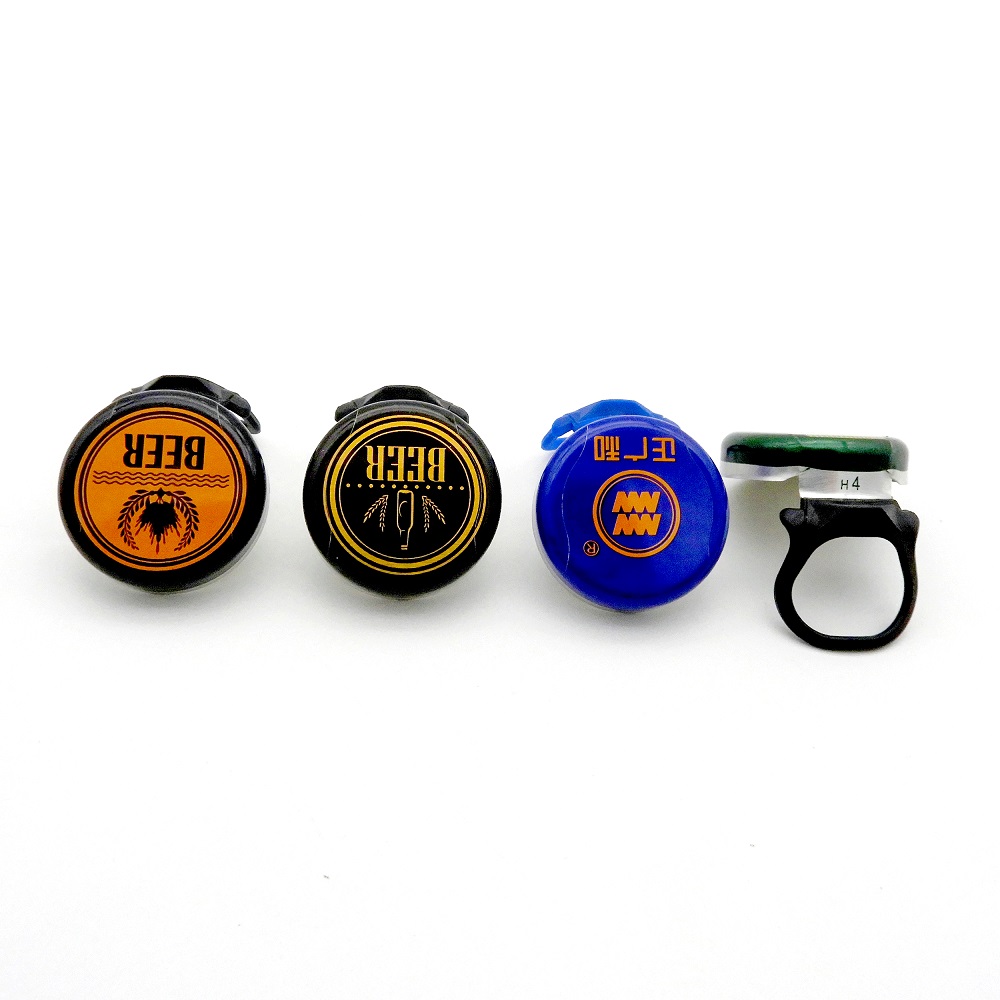
A 26mm aluminium ring pull cap allows consumers to open beer and soda water bottles much more easily. At the same time, it supports custom colours and logo printing. However, a cap simply marked “26mm” will not automatically match every glass bottle that has a similar neck size. The bottle finish, the inner liner, the beverage pressure, and the capping equipment must all function together as a single system. You should use this helpful checklist before you order printed caps in large quantities. It is also useful before you alter an established filling line.
Does Every 26mm Ring Pull Cap Fit Every 26mm Bottle?
The stated diameter serves as just a basic starting point. Glass bottles sold as 26mm might still feature completely different finish profiles. They can also vary in height and manufacturing tolerances.
Check More Than the Neck Diameter
A truly compatible cap needs to grip firmly beneath the bottle bead. It must also compress its liner evenly against the top sealing surface. If the bead shape, the finish height, or the outer diameter differs slightly, issues will arise. The cap might sit too high on the neck. Furthermore, it could distort or eventually leak.
You should never select a cap based entirely on a simple photograph. Instead, ask for a detailed technical neck drawing. Alternatively, you can ship several physical bottles directly to the cap supplier for testing.
Which Crown-Finish Details Should You Inspect?
Achieving a reliable fit depends heavily on the glass finish, the liner, the aluminium shell, and the capping head. Even minor dimensional differences can trigger major problems. These issues often happen during high-speed filling operations.
Review the Bottle Neck and Sealing Surface
Always inspect the top sealing surface carefully. Look for chips, cracks, mould seams, waviness, or areas of uneven glass. These specific defects can easily cause liquid leaks. This happens even when the cap appears totally secure from the outside.
The supplier must check the finish height, the outside diameter, the bead profile, and the locking area. They should also evaluate standard bottle variation. You need to provide the crown-finish standard or the exact bottle model whenever possible. You should supply this data together with:
- A complete bottle-neck drawing
- Several production bottle samples
- Beverage and carbonation details
- Filling and processing conditions
- Current cap and capping-machine information
The supplier ought to compare these specific details against the proposed cap specification. They must do this instead of relying solely on the nominal 26mm size.
Will the Cap Seal Carbonated Beer or Soda Water?
Beer and soda water naturally generate high internal pressure. Therefore, the liner and the capped bottle must securely retain both gas and liquid. They need to perform well throughout storage and long transport.
Match the Liner to the Beverage Process
You must tell the supplier the exact beverage type. Also, specify whether the liquid is cold-filled, warm-filled, or pasteurized. The inside liner must compress very evenly. It should do this without folding, tearing, or suffering from over-compression.
You should test physical samples using the actual beverage. Carefully check for leakage, carbonation retention, and any cap deformation. You must also evaluate pull-ring strength, opening force, and potential sharp edges under normal storage conditions. Export projects require extra attention. They should consider extreme temperature changes and constant vibration during long-distance transport.
Can Your Existing Capping Line Handle Ring Pull Caps?
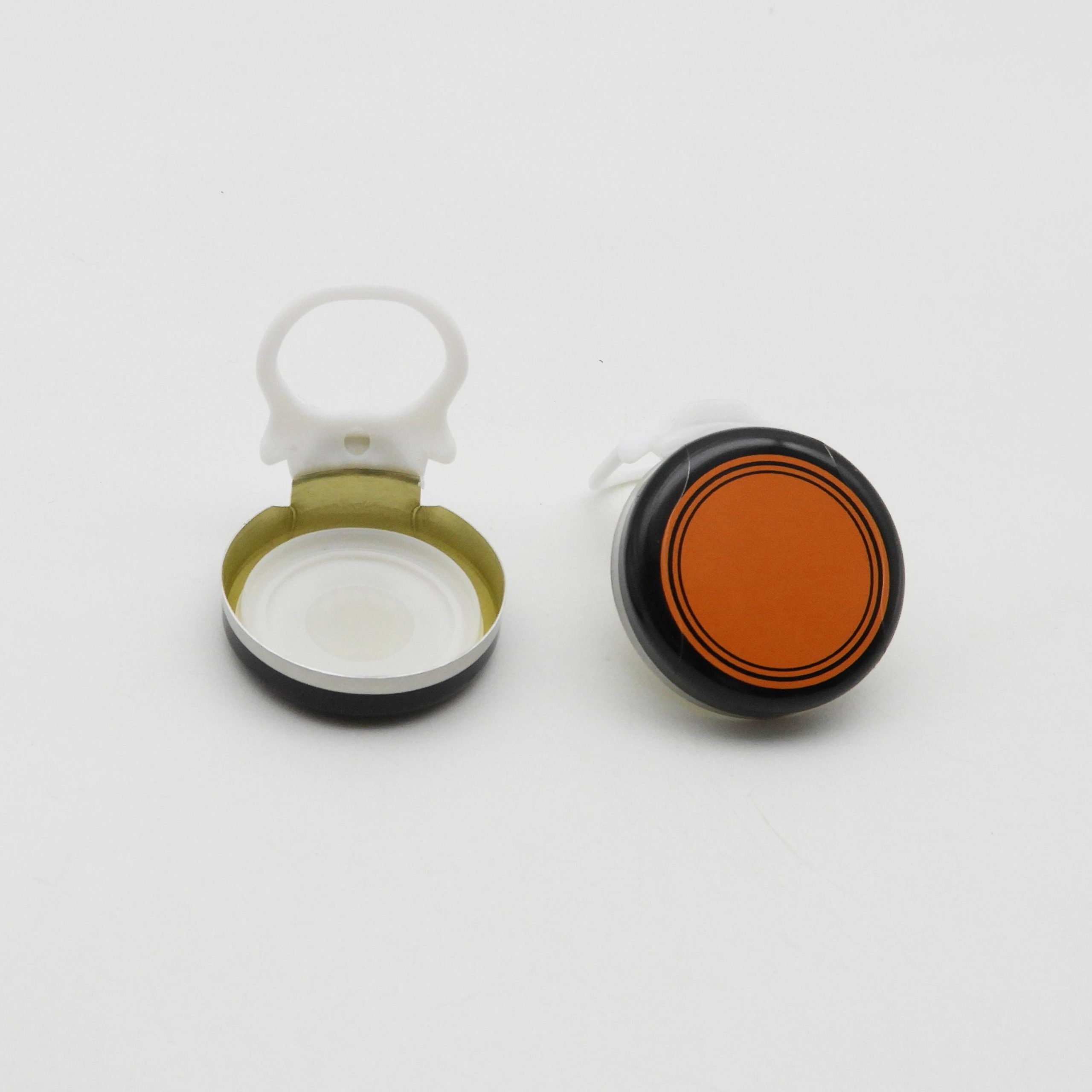
Finding a suitable bottle does not automatically guarantee a suitable production line. The attached pull ring alters the overall cap profile. As a result, the feeding, orientation, transfer, and capping stages must undergo thorough checking.
Check Feeding and Capping Equipment
You must confirm that the sorter, the chute, the transfer system, and the capping head operate smoothly. They need to process the caps without tangling or jamming. Every single cap must arrive at the bottle in the correct position.
Applying insufficient capping force can leave an incomplete seal. On the other hand, excessive force might deform the metal shell. It could also damage the liner or negatively affect the final opening process.
If you operate a Sacmi line, you should provide the specific machine model and the current cap type. Also, share the line speed and the capping-head details. Always test the setup at the planned production speed. If tooling or feeder adjustment becomes necessary, confirm these changes early. Do this before you schedule the main commercial run.
How Should You Approve the Cap Before Mass Production?
You should move carefully from technical documents to physical samples. After that, proceed to a controlled filling-line trial. This steady approach helps you find unexpected mismatches before you start custom printing.
Follow a Step-by-Step Compatibility Trial
First, send the bottle drawing, the glass samples, and the beverage information to the manufacturer. You also need to share the liner requirement and the equipment details. Then, you must test the caps thoroughly under normal production conditions.
You should check carefully for crooked caps, loose edges, and liner damage. Also, watch out for leakage, gas loss, pull-ring breakage, and irregular opening actions. Carbonated beverages require extra attention. They need suitable pressure, temperature, and transport tests to ensure safety.
You ought to approve the pull-ring colour and the top printing only after the plain-cap trial passes completely. This smart strategy greatly reduces the risk of creating unusable customized inventory.
Why Work with Yantai Original Import and Export Co., Ltd.?
A truly reliable supplier should support both technical bottle compatibility and excellent brand presentation.
Reliable Production and Customization
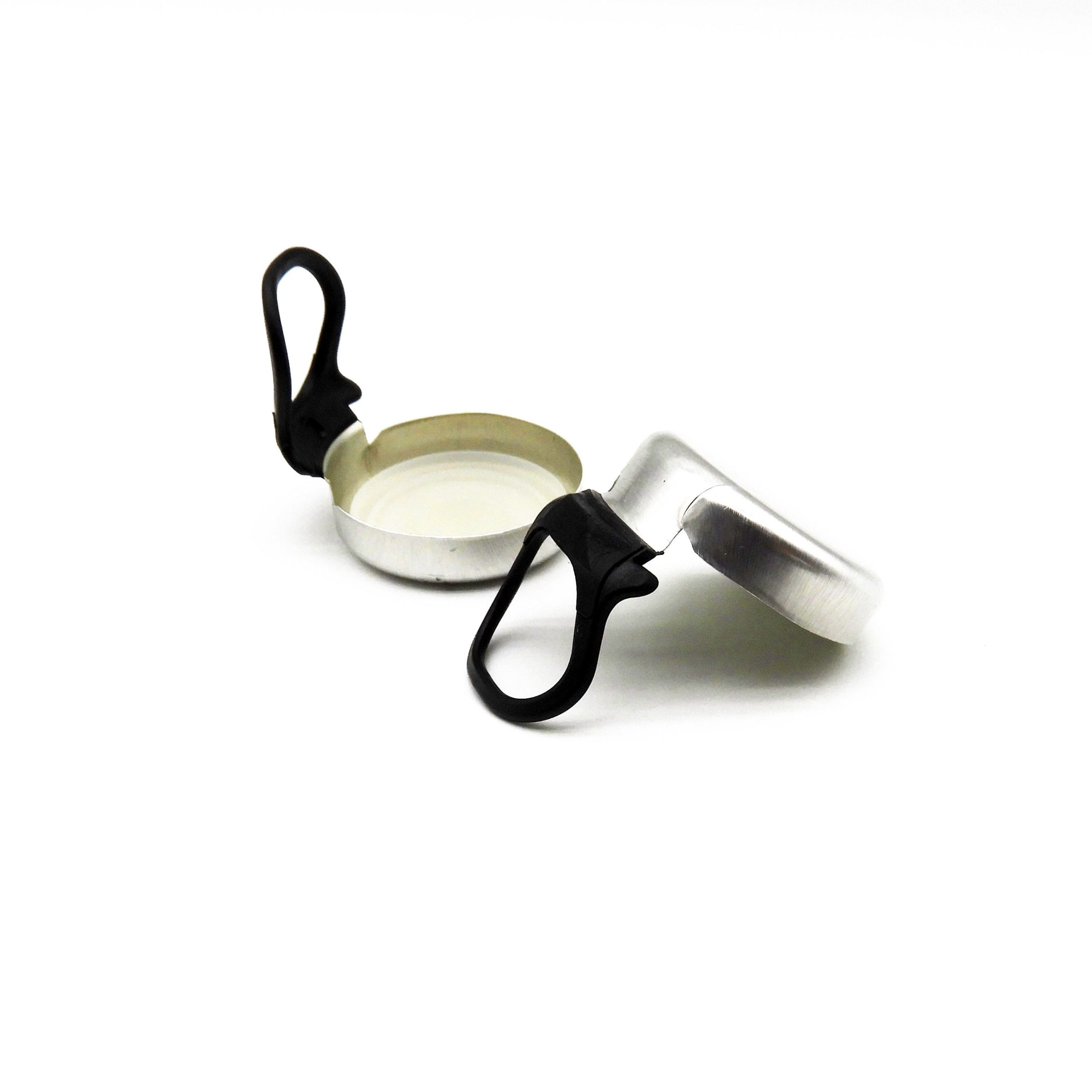
Yantai Original Import and Export Co., Ltd. supplies premium aluminium-plastic ring pull caps. These are ideal for beer, soda water, drinking water, juice, and various other beverages stored in glass bottles. The caps are manufactured directly on advanced Sacmi production lines. They boast a massive daily capacity of up to one million pieces.
Customers can easily customize the pull-ring colour. They can also print a unique logo directly on the cap top. The company can review technical drawings or physical bottles beforehand. Furthermore, they will discuss cap size, liner options, artwork, packing methods, and order quantity before starting production. This comprehensive support is highly suitable for breweries, beverage brands, importers, and packaging distributors. It helps them develop distinctive easy-open glass bottles.
Conclusion
A simple 26mm marking alone cannot confirm a perfect fit. You must check the crown finish, the sealing surface, the liner, the beverage pressure, and the capping equipment. After that, you should complete a rigorous filled-bottle trial. Do this before you authorize custom printing and mass production. Providing accurate technical information can prevent messy leaks and production delays. It also stops opening failures and wasted packaging materials.
FAQs
Can I Replace a Traditional 26mm Crown Cap with a Ring Pull Cap?
This is certainly possible. However, the bottle finish, the liner, the feeder, the capping head, and the beverage pressure must undergo strict checking. You achieve this through physical samples and actual line trials.
Can the Pull Ring and Cap Top Be Customized?
Yes, they absolutely can. Buyers can customize the specific pull-ring colour. They can also print a logo, text, or a graphic on the top surface. You should confirm the final decoration only after finishing the fit trial.
What Information Should I Send to the Supplier?
You should send the precise neck drawing and several physical bottles. Also, include the beverage type, the carbonation level, and the filling process. Finally, provide the liner requirement, capping details, desired colours, artwork files, and the expected order quantity.


