


The choice of a bottle closure is increasingly important for manufacturers of beverages as changes in the needs of consumers, production efficiency and sustainability of packaging come to the fore. The 26mm aluminum ring pull closure has become a modern alternative to the tried and tested crown cap for carbonated beverages. The advantages of a 26mm aluminum ring pull cap over traditional crown caps for beer and other carbonated soft drinks in terms of the key criteria for evaluation, namely sealing, production, cost and marketing, are outlined below in order to provide assistance to juice manufacturers, soft drinks manufacturers and breweries alike in choosing the most suitable closure for their products which are to be packed in bottles.
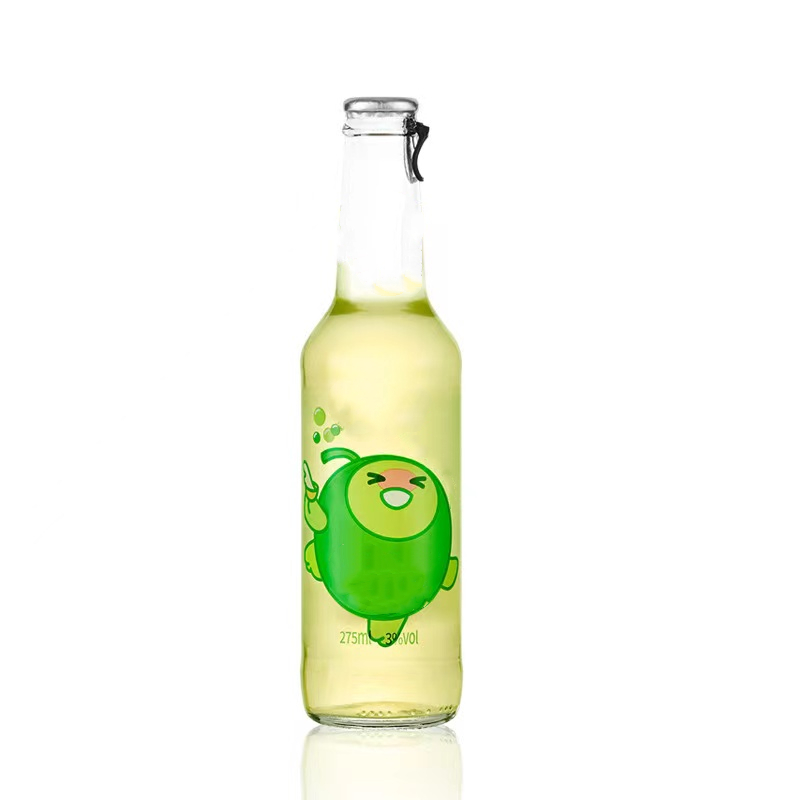
What Are the Key Differences Between a 26mm Aluminium Ring Pull Cap and a Traditional Crown Cap?
To be able to compare the performance of the two types of caps, first the two types of caps need to be described in more detail, including their structure, materials and area of application. A 26mm aluminum ring pull cap is an innovative beverage closure for modern production lines. The cap can also be taken along by the consumer.
Material Composition and Structural Design
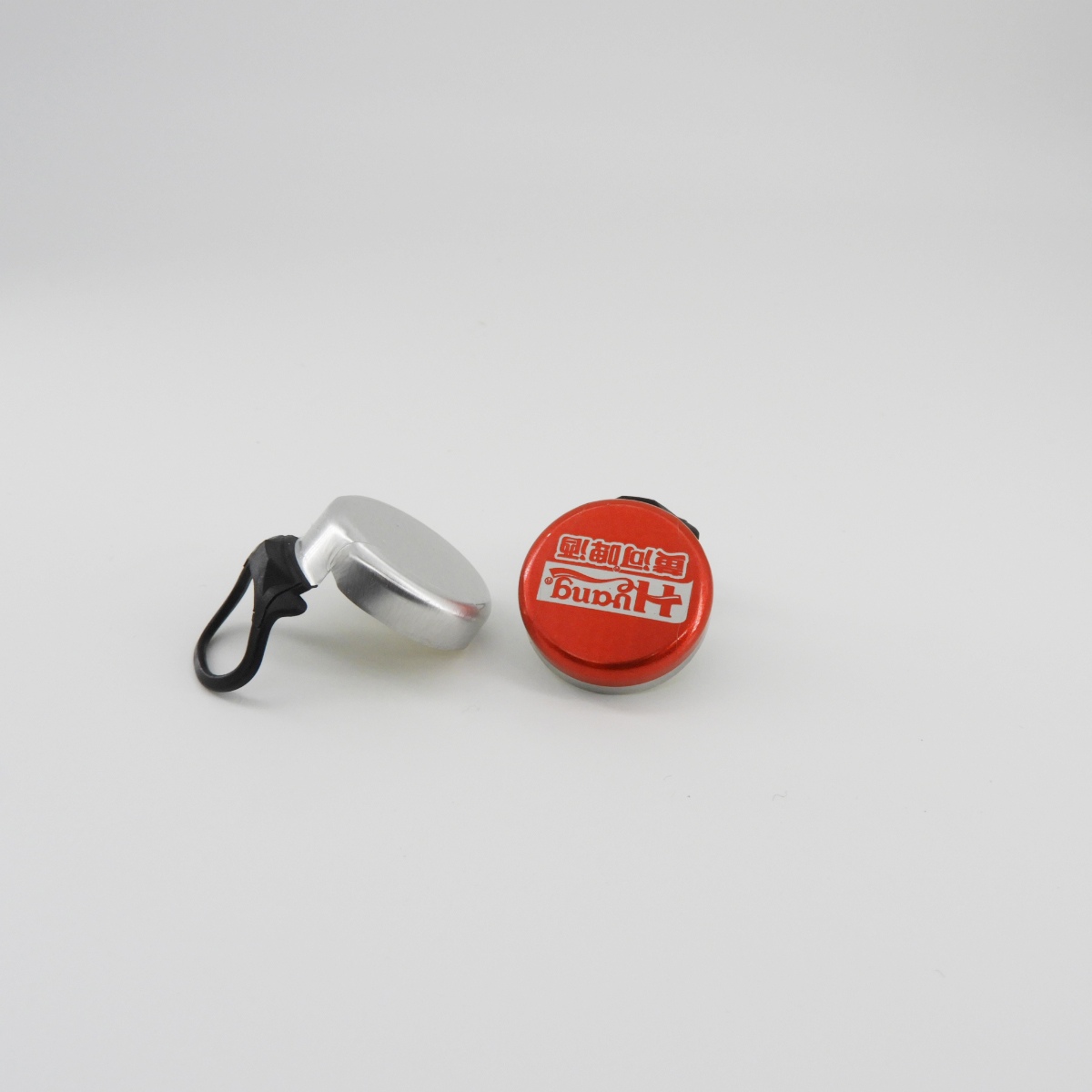
The 26mm aluminum ring pull cap is a lightweight aluminum cap with integrated pull tab. These caps are typically fitted with a TPE liner to create a tight seal. Often used with carbonated drinks such as beer, soda water and soft drinks, these caps are in direct contrast to the traditional crown cap. A crown cap is a tinplate or steel cap with a crimped edge which is screwed down to the bottle neck mechanically. The main differences between the two cap types are the sealing, recyclability and usability.
Aluminum is more resistant to corrosion than tinplate steel and therefore more durable in storage. The 26mm external ring Pull bottle closure is compatible with most glass and PET bottles, and used on bottles around the world, have the advantage of no need for bottle openers and are able to hold the same amount of pressure as a crown cap.
Application Scope in the Beverage Industry
Aluminium ring pull caps are used to cap a wide variety of Carbonated Soft Drinks, Energy Drinks and Alcoholic Beverages. They can be used on both glass and PET bottles and are typically applied on high-speed automated lines, such as those found on SACMI presses, capable of producing up to 1 million caps per day. The traditional crown cap is still commonly used in beer bottling but is often being replaced by the more convenient ring pull cap.
When choosing a closure manufacturers consider factors related to packaging line requirements, target market and brand positioning. So a premium craft brewery may choose an aluminum cap to signal the modernity and quality associated with this product while delivering the required levels of efficiency.
How Do Performance and Quality Compare Between the Two Cap Types?
Performance evaluation of cap performance for beverage packaging is typically based on the performance of cap seal, cap durability and production efficiency or ease of use. These are key factors that measure packaging quality, and influence the shelf life of packaged beverages as well as consumer acceptance.
Sealing Performance and Pressure Resistance
Our 26mm aluminium ring pull cap provides a constant amount of seal to the neck of the bottle. The precision-made threads and TPE gasket allows for excellent performance even at high levels of carbonation typical of beers and quality sparkling waters. The Crown Cap relies on crimping to seal the bottle, any anomaly during capping can result in leaks or reduced shelf life as the bottle pressure fluctuates.
High-quality aluminum closures maintain carbonation within the beverage for a long time and thus guarantee the taste stability of the product while it is moving through the distribution channels.
Durability and Corrosion Resistance
Aluminum, by nature, is better than tinplate steel in terms of preventing oxidation. Coatings applied during the manufacturing process of crown caps protect against moisture in transit and storage. This protection makes aluminum ring pull caps suitable for very humid or coastal markets, as steel closures are prone to rusting.
Aluminum’s inherent barrier properties coupled with leading-edge surface treatments guarantee that the flavor of the beverage is maintained and does not get contaminated by metals.
Production Efficiency and Automation Compatibility
Modern beverage production requires highly efficient and automated plants. Aluminium ring pull caps are easy to integrate into fully automated SACMI capping lines. As they have uniform dimensions they can be processed efficiently at high speeds and require less downtime than crown cappers, which require precise alignment of the crimping heads.
Efficiency results in lower maintenance costs and higher production. These advantages are crucial for large-scale manufacturers as well as those with highly time-sensitive production schedules.
How Do Consumer Experience and Market Trends Influence the Choice?
Beyond technical performance packaging for the beverages market is increasingly being driven by consumer experience.
Convenience and Ease of Opening
The pull tab integrated into the opening of the cap allows easy opening without any additional tools. Unlike traditional crown caps which require an opener this feature appeals very strongly to the outdoor user or someone looking for a portable refreshment product. This increased usability increases brand perception by aligning the design of the product with the modern users lifestyle.
Aesthetic Appeal and Branding Opportunities
The Aluminum surface provides excellent printability for custom colors, embossing and laser marking enabling greater visual differentiation. The Crown cap has limited print area on the small top surface of the cap, unlike the Bottle neck finisher which provides more space for branding. As competition increases between beverages, within categories, the ability of packaging to provide visually distinctive products at the point of sale is becoming more important to engage with consumers.
Sustainability Considerations in Consumer Preference
Aluminum is very recyclable. This sustainability feature can be used over and over again without a loss of quality. Recyclable aluminum helps to reduce the amount of energy required to make new aluminum from the bauxite ore that it is extracted from. Additionally, the lightweight characteristics of aluminum enable it to be used in construction in a way that can help to reduce emissions from transportation compared to steel which is heavier.
Aluminum closures that are 100% recyclable reflect a brand’s commitment to environmental responsibility and adherence to the principles of the circular economy. This factor is becoming increasingly important for many consumers, especially those who identify as ‘eco-conscious’, and influences their purchasing decisions.
How Does Cost Efficiency Affect Packaging Decisions?
Economic evaluation is an important criterion to determine an adequate closure system for large industrial sites, weighing cost against performance.
Material Cost Comparison
At first sight aluminum seems to be more expensive as a raw material than tinplate steel. However, due to its low density less material is needed for a unit cap than with steel. Also, there is almost no waste during the forming process of aluminum. Finally, the lower weight of aluminum also results in lower logistics costs in global distribution networks – in particular for large volume producers.
Equipment Investment and Maintenance Costs
Upfront investment in suitable equipment, for example a SACMI automatic line for conversion to Ring Pull, may be required. However, the plant can then be operated at lower cost over time with reduced frequency of maintenance due to the fewer number of parts and simpler means for changing the tooling. Long-term this can save total cost and maintain high quality while producing millions of units every day.
Why Choose Yantai Original Import and Export Co., Ltd as a Reliable Aluminium Ring Pull Cap Supplier?
Yantai Original Import and Export Co., Ltd, a China leading manufacturer of beverage caps, specializes in designing and manufacturing high quality aluminum ring pull caps of 26mm in diameter, suitable for both small breweries and big bottling plants all over the world. Advanced forming technology and perfect quality control are applied in the manufacturing process of our caps. We use SACMI automatic production lines to make aluminum ring pull caps with precise dimension and consistent sealing performance. The daily output of our production line can reach over 1 million pieces.
The product range includes TPE liners optimized for the best carbonation hold. TPE also allows for many customization options, including different colors as well as embossed logos. Their customer service is also very responsive, allowing for great reliability throughout your entire purchasing process from sample development to your bulk supply being logged into your warehouse.
What Are the Future Trends in Beverage Packaging Closures?
The closure industry is evolving to become more sustainable, automated and convenient for consumers and businesses alike. These are the central themes that will shape future innovations in beverage packaging.
Innovation Directions in Closure Design
Current research is increasingly focusing on the development of light-weight aluminum alloys with high strength, which in comparison to conventional materials still maintain the necessary pressure resistance while at the same time being resource-efficient. Also smart closure systems with tamper-evident features or freshness indicators are gaining more and more importance, since interactive packaging solutions with additional functions and digital traceability are in high demand.
Global Market Movement Toward Sustainable Materials
Environmental compliance requirements from regulatory bodies worldwide are pushing manufacturers to shift from single-use plastics and coated steels to packaging made from aluminum and other recyclable materials. This shift in packaging materials by leading beverage manufacturers around the world is part of their overall packaging strategy. And, while required by law for environmental compliance, the use of sustainable packaging materials is also becoming part of a corporation’s social responsibility initiatives worldwide that seek to enhance brand equity with environmentally conscious consumers.
Conclusion: Which Closure Type Offers Greater Value for Modern Beverage Packaging?
Both 26mm aluminium ring pull caps and traditional crown caps deliver reliable sealing solutions depending on application context; however, aluminium ring pull designs provide superior corrosion resistance, user convenience through tool-free opening functionality, enhanced sustainability via recyclability benefits, aesthetic versatility supporting brand differentiation, and compatibility with high-speed automated production lines—all key attributes defining value within contemporary beverage packaging ecosystems emphasizing efficiency and environmental stewardship.
FAQs
1. Are aluminium ring pull caps suitable for both carbonated and non-carbonated beverages?
Yes. These bottle caps are designed to keep a tight seal even when under pressure. So these bottle caps are suitable for use with carbonated beverages like beer and soda water as well as non-carbonated drinks and juices like tea, lemonade and other fruit juices that are packaged in glass bottles and also in PET bottles.
2. Can existing crown capping machines be adapted for aluminium ring pull caps?
Most adaptations require changes to individual mechanical components to account for the different seals. However, many suppliers are now offering modular conversion kits to enable flexible changeover to aluminum-based systems, without the high costs typically associated with new production lines.
3. How does recycling aluminium ring pull caps benefit beverage manufacturers?
By recycling we avoid using raw materials from natural sources. This leads to lower procurement costs in the long term and gives companies a good image. Nowadays, companies from the beverage industry operate globally and strive to fulfill their environmental responsibility. As part of their sustainable production, they implement the manufacturing concepts of a circular economy, in which resources are used in an efficient way.


