


A convenient olive oil pouring stopper helps people pour cooking oil smoothly. Some call it an oil stopper. Others call it a controlled-flow pourer. It fits tightly inside the bottle neck. It stays right there during daily tasks. This tool controls the liquid flow. Therefore, it prevents messy splashes and keeps the rim clean. Users just take off the top cap to pour. Then, they put the cap back on. You never have to remove the actual stopper from the glass. This guide shows how the item functions. It also covers daily care. Finally, it helps packaging buyers pick the right fit.
What Is a Convenient Olive Oil Pouring Stopper?
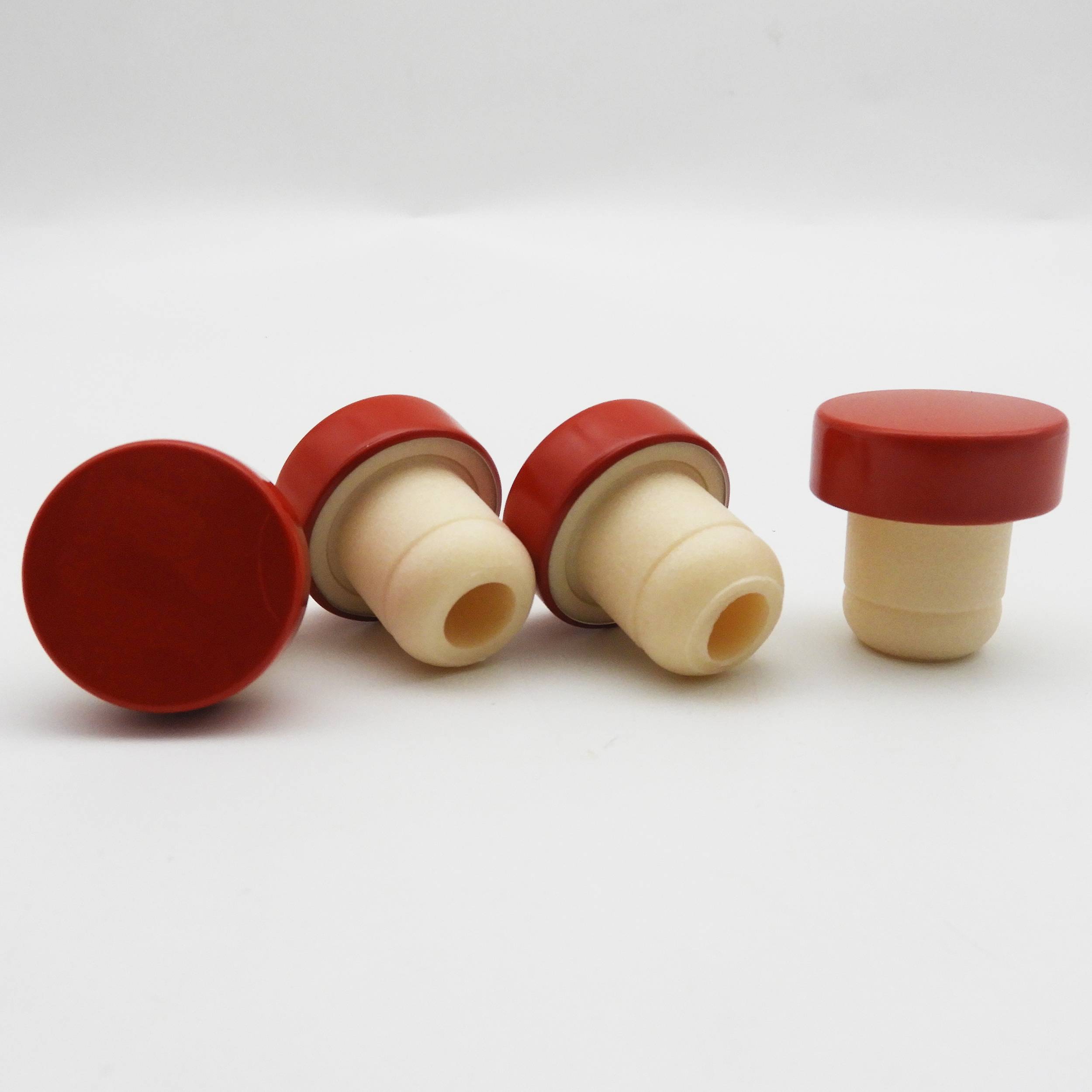
A convenient pouring stopper is a special bottle closure. Makers designed it for careful pouring. You will often see it on olive oil bottles. It also appears on other cooking oil containers. The insert forms a narrow opening. This path is much smaller than a bare bottle neck. As a result, daily cooking becomes much simpler.
Many standard caps must come off completely. However, this oil stopper stays firmly inside the neck. A person only handles the top cover. This setup offers quick access. Furthermore, it ensures a tidy workspace.
A Practical Controlled-Flow Closure
The primary job of this tool is to slow down the liquid. A user tips the bottle. The oil then travels through a middle channel. It does not rush out all at once. Because of this, cooks can measure out tiny drops accurately.
A steady stream works well for home kitchens. Restaurants and retail brands also rely on it. It stops accidental spills. Moreover, it keeps serving sizes exact.
A Protective Cap for Cleaner Storage
A colored top cap hides the main hole between uses. This piece blocks dust from entering. It also stops leftover drops from smearing across the glass rim.
You just pop open the top cap first. Next, you pour your liquid. Afterward, wipe off any stray drops. Finally, shut the cover tightly. The main plastic base must stay stuck inside the neck.
Designed to Stay in Place
You should never pull this convenient pouring stopper out for daily tasks. Taking it out constantly is a bad idea. It might bend the plastic seal. It could also ruin the tight fit or crack the glass.
Leave the insert alone during regular washing. Sometimes, a factory line or inspection team needs to take it apart. In those cases, they must read the supplier’s manual. Workers should never pry the plastic out by force.
How Does an Olive Oil Stopper Work?
This device handles both liquid and air. Its shape lets oil exit smoothly. At the same time, fresh air flows back inside. This equal swap stops annoying splashes. It also gives you total control.
Several things affect how well it works. The hole shapes matter a lot. The thickness of the liquid is also important. Finally, the glass size and the tight seal play huge roles.
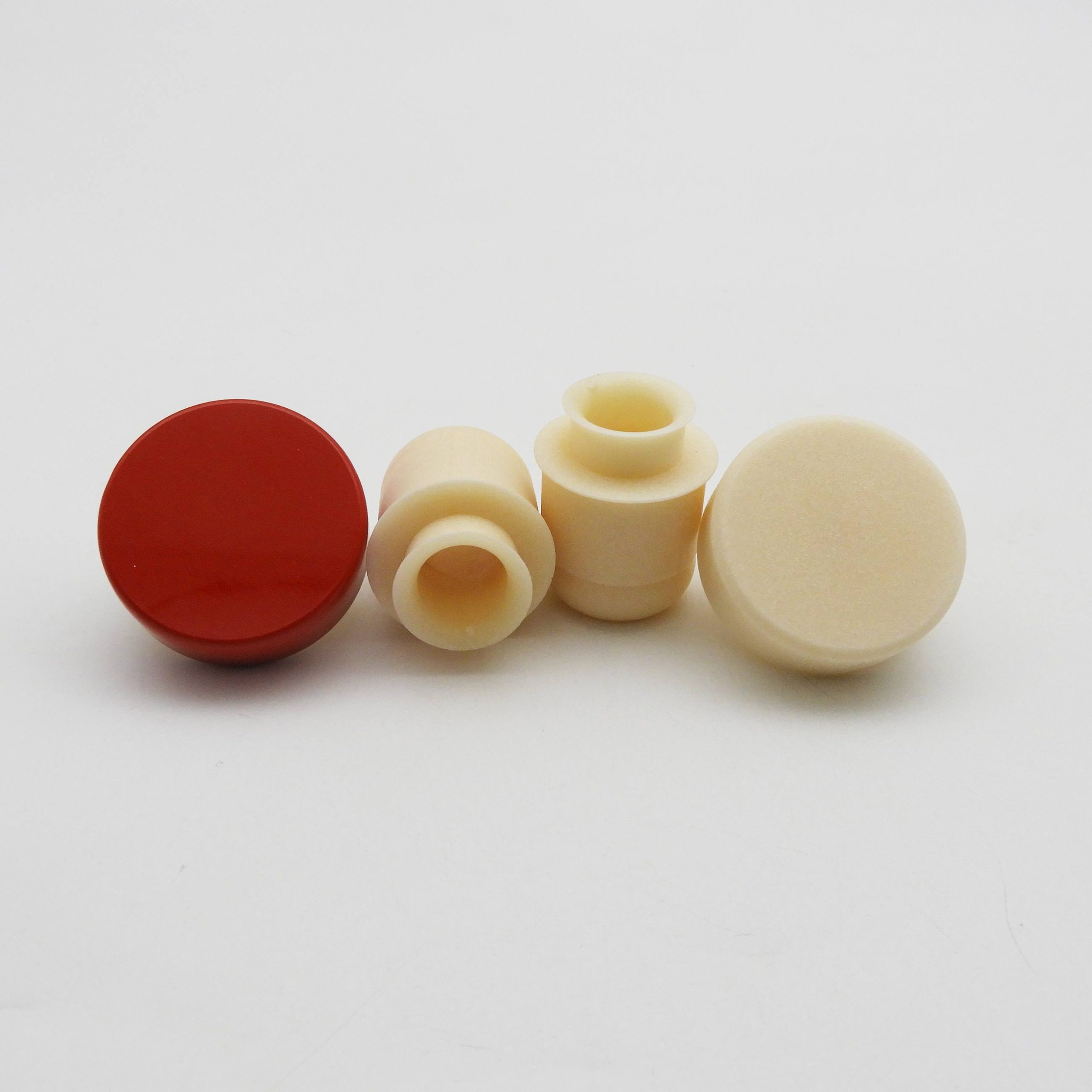
Main Pouring Channel
The larger hole lets the olive oil flow out. The width of this path changes the speed. A slow-pour style is highly practical. It helps buyers measure their food exactly.
This exit path must stay clear. Old, sticky residue might block the tube. Dirt can cause a messy stream. Therefore, you must check the opening often.
Air-Return Channel
Many controlled-flow units feature a tiny air hole. Oil goes out the big tube. Meanwhile, air travels in through the small one. These two paths team up for a flawless pour.
Sometimes, the air tube gets clogged. When this happens, the liquid might splash out quickly. You need to keep these holes clean. That simple habit ensures steady results.
Sealing Section
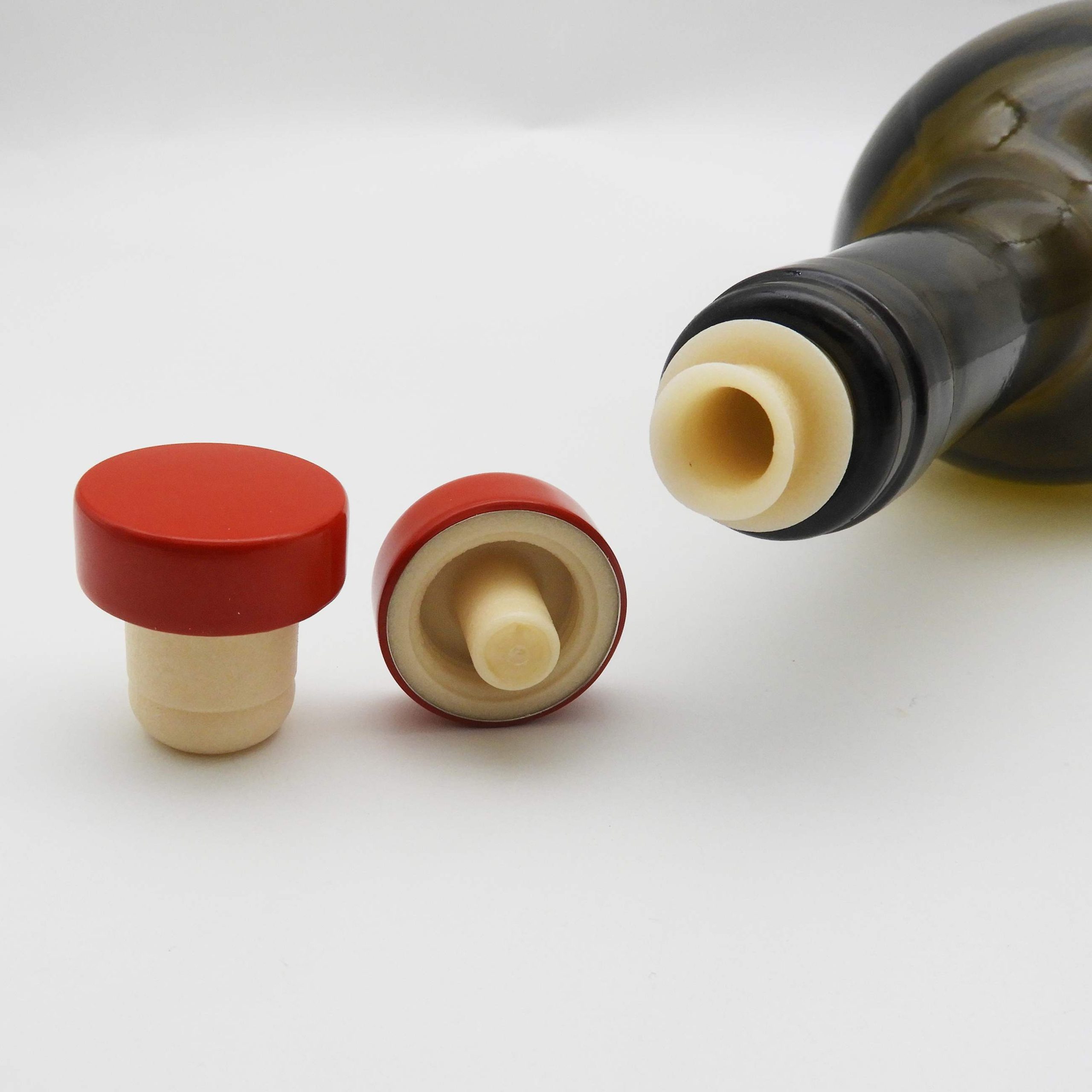
The bottom half pushes firmly against the glass. Special plastic rings grip the walls. These ridges keep the whole unit locked down. They also stop nasty leaks around the rim.
This bottom part must stay put. Users must never dig it out with knives or scissors. Factories must check the glass size early on. They need to do this before they add any liquid.
How Should You Use the Pouring Stopper?
Using this item is very easy. First, stand the bottle straight up. Then, flip the cap open. Next, tip the glass slowly. Finally, stand it straight again before you close the lid.
Always rest the container on a flat table. Keep the outer glass free of grease. A dry surface is much safer to hold.
Open the Cap Before Pouring
Grab the glass firmly. Take off the top cover. Follow the instructions for your specific lid. Never yank on the main plastic base. Do not try to remove the bottom part from the glass.
Look closely at the main hole. Make sure it is totally clear. Sometimes, a few drops gather there. Just wipe them off with a dry cloth before you start.
Tilt the Bottle Gradually
Lean the glass slowly toward your pan. Let the liquid enter the main tube first. Then, you can tip it further. This slow action lets the air system catch up. It totally prevents big splashes.
You might only want a few drops. In that case, tilt the glass just a little bit. Stand it up immediately after. Keep in mind that different liquids flow at varying speeds. Their thickness changes the pace.
Return Upright and Close the Cap
Lift the glass back to a standing position. Wait a second for the last drop to fall inside. Clean the outer rim if you need to. After that, snap the cover shut.
Look at the glass rim for any leaks. The liquid must travel through the middle tube. It should never sneak around the outer edges. Constant dripping means a bad fit. It could also point to a broken part or poor factory assembly.
How Should You Clean and Maintain It?
Daily care is extremely simple. You only focus on the top lid and the main hole. You do not need to pull the plastic base out for washing.
Check that the container is empty before you wash it. Place it safely in the sink. Use warm water and plain soap. Make sure your specific items are safe to wash first.
Wipe the Outlet After Use
Clean the plastic lip after every meal. Wipe the bottom of the lid too. This quick habit stops sticky messes. It keeps the whole unit neat. It also ensures the lid shuts perfectly tight.
Grab a soft towel for this task. A tiny brush works well too. Stay away from sharp knives. They will scratch the plastic. They might also stretch the holes out of shape.
Clean Without Pulling Out the Stopper
You might want a deep wash. If so, run warm soapy water through the holes. Leave the plastic piece firmly in the glass. Wash it only if the maker says it is safe. Finally, rinse away all the soap bubbles.
Let all parts dry fully before adding new liquid. Never dig the plastic base out. Sometimes, you simply cannot wash the item well enough. When that happens, ask the supplier for help. They can suggest a safe replacement method.
Test the Pouring Performance
Always test the flow after a wash. Factory buyers must test samples too. Pour a tiny bit of liquid over a sink. The stream must look smooth and steady. It should exit right through the middle.
Stand the glass up again. Look closely at the top rim. The base must stay firmly locked. The lid must click shut. Absolutely no liquid should leak down the sides.
Why Choose Yantai Original Import and Export Co., Ltd as a Convenient Pouring Stopper Supplier?
Yantai Original Import and Export Co., Ltd offers great bottle closures. They supply convenient pouring stoppers for many brands. These items work perfectly for olive oil and sunflower oil. They also handle avocado oil, vegetable oil, vinegar, and similar kitchen liquids.
The company builds these controlled-flow items for everyday cooking. The bottom section stays trapped in the glass. Meanwhile, the top lid opens with ease. This smart layout creates a tidy workspace. It provides a smooth stream and highly accurate portions.
Buyers can easily change the colors. They can pick new textures and add custom logos. Clients just share their glass measurements. They can send drawings or actual samples. The team then checks the fit and flow speed. They do this long before factory production starts.
Conclusion
A convenient olive oil pouring stopper is a permanent fixture. It makes daily cooking tasks much easier. The base stays locked in the glass all the time. People just open the lid and tip the glass.
You must clean the top hole often. Keep the air tubes free of dirt. Wash the whole unit without removing it. For business projects, picking the exact glass size is vital. Testing the flow speed stops annoying drips. It creates happy customers and better portion limits.
FAQs
Does the convenient pouring stopper need to be removed from the bottle?
No, it does not. The factory designed this item to stay inside the glass forever. Just lift the top cover. Pour your liquid out. Then, close the lid. Never pull the base out for washing.
How can I reduce dripping after pouring?
Lean the glass very slowly. Stand it straight up when you finish. Wipe the plastic rim before you shut the lid. Sometimes, liquid sneaks around the outer edges. If that happens, check the glass size. The factory assembly might be wrong.
Can one oil stopper be used for different edible oils?
Yes, it works for many liquids. It handles olive oil, avocado oil, vegetable oil, and vinegar well. However, the speed changes depending on liquid thickness. Business buyers must test the item first. They should use their real liquid and glass before starting mass production.


