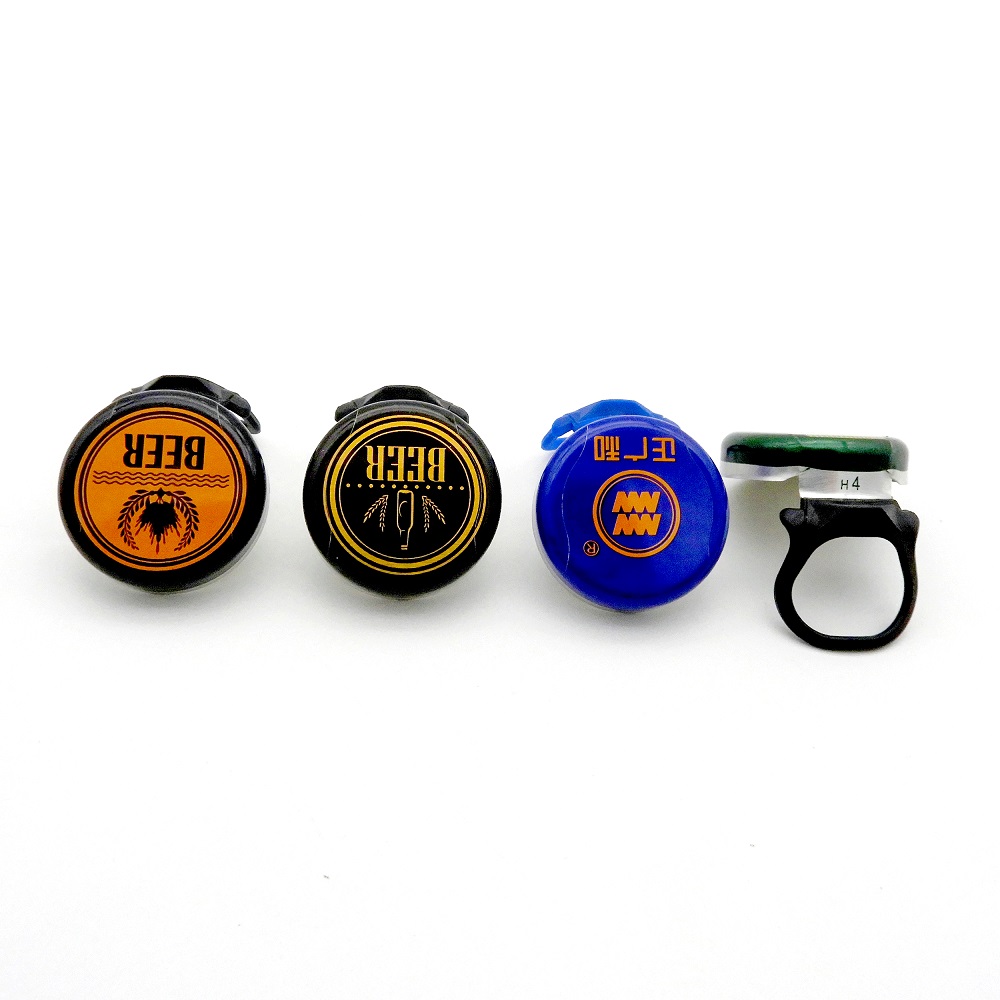


Pickle jar lids face tough packaging conditions. Vinegar, salt, moisture, oxygen, and heat put pressure on metal closures. Long storage times add to this stress. Tiny corrosion spots can form if the lid material, inner coating, sealing compound, or filling method does not match the product well. These small spots slowly turn into obvious rust. For pickle makers, rusty lids hurt product looks and sealing power. They also damage buyer trust and brand image. Therefore, picking well-tested acid-resistant tinplate lids is a key part of safe pickle packaging.
Why Do Pickle Jar Lids Rust More Easily Than Other Food Jar Lids?
Pickles attack metal packaging more harshly than many dry or low-acid foods do. Their brine normally has both acid and salt. Meanwhile, the empty space above the food often holds moisture and oxygen.
How Does Pickle Brine Affect Metal?
Vinegar drops the pH level of pickle brine. At the same time, salt boosts its ability to conduct electricity. This mix speeds up chemical reactions when liquid or vapor touches bare metal.
Tinplate lids usually feature a safe inner coating. This layer sits between the food and the metal. If this coating stays whole and fits the recipe, it blocks direct contact. However, acidic brine can reach the hidden metal if the coating has scratches, tiny holes, weak spots, or broken edges.
Makers widely use lacquer coatings to lower corrosion risks in metal food packages. Still, their success relies on coating quality, food makeup, and storage settings.
Is Rust Only a Cosmetic Problem?
A tiny rust mark on the outside might look like a simple surface issue at first. Yet, inner corrosion needs careful attention. It can ruin the lid coating or cause ugly color changes. It might also harm the sealing zone or add strange metallic smells and tastes.
Bad corrosion can weaken the closure. It might even make tiny holes. For commercial pickle brands, any clear rust makes buyers doubt product quality. This happens even if the food itself stays safe.
What Are the Seven Main Causes of Rust on Pickle Jar Lids?
Rust almost never comes from just one cause. Often, the packaging materials and filling steps combine to cause issues. Handling habits and storage spaces play big roles too.
1. Is the Pickle Brine Too Acidic for the Lid Coating?
Various pickle recipes use different vinegar strengths, acid types, and salt amounts. They also use different spices and preservatives. A lid might work great with a mild recipe. However, it might fail to protect against a highly acidic brine.
Buyers must pick the inner coating and sealing compound based on the exact food inside. They should not just rely on a broad term like “food-grade lid.”
2. Has the Internal Coating Been Scratched?
Scratches can happen during making, moving, or feeding steps. Capping and manual handling cause them too. Once the coating breaks, the bare metal faces higher risks from acid, salt, water, and air.
Workers must store and move caps with care. Factories should inspect packaging lines often. They need to look for sharp guides, rough slides, or badly tuned machines that might scrape the lid top.
3. Is There Too Much Product in the Jar?
Wrong headspace brings pickle brine too close to the lid bottom. The liquid might touch parts not made for constant soaking. This happens during heating, capping, or transit.
Overfilling can also make the jar rim dirty. This lowers seal safety. Lid makers and home-canning experts point out several common rust causes. These include high acid, high salt, broken coatings, and bad headspace.
4. Is the Jar Rim Contaminated Before Capping?
Bits of cucumber, spices, oil, salt grains, or brine can sit on the jar finish. These items block the sealing compound. A weak seal lets air or water sneak into the package.
Jar rims need to be totally clean before capping. Makers must check filling exactness and splash control. They should also watch cap application and vacuum results.
5. Is the Capping Torque Incorrect?
A very loose cap fails to build a tight seal. A very tight cap can crush the sealing compound. It might break the lug shape or make the jar hard to open.
The right tightness depends on the jar finish, cap build, and compound type. Filling heat and factory steps matter too. A packing test with the real jar and food works best. It is much safer than picking a cap just by its size.
6. Are Hot Filling or Pasteurization Conditions Too Severe?
High heat impacts the inner coating, sealing compound, vacuum pull, and closure shape. Trouble shows up when factories use a cap past its tested heat or time limits.
Before buying, clients must share the filling temperature. They need to state if the food will be hot-filled, pasteurized, or sterilized. They should also mention if it needs no heat at all. The Yantai Original product page tells buyers to check these steps clearly before mass output.
7. Are the Finished Jars Stored in a Humid Environment?
Rust can start on the lid exterior when boxes sit in damp warehouses. Condensation causes this too. Heat shifts during shipping create water drops inside boxes and containers.
Finished pickle jars must stay in dry, airy spaces. Workers should dry wet jars before adding labels or packing boxes. Pallets need shields against wet floors, damp walls, rain, and sea water.
How Do 66mm Acid-Resistant Tinplate Lids Help Protect Pickles?
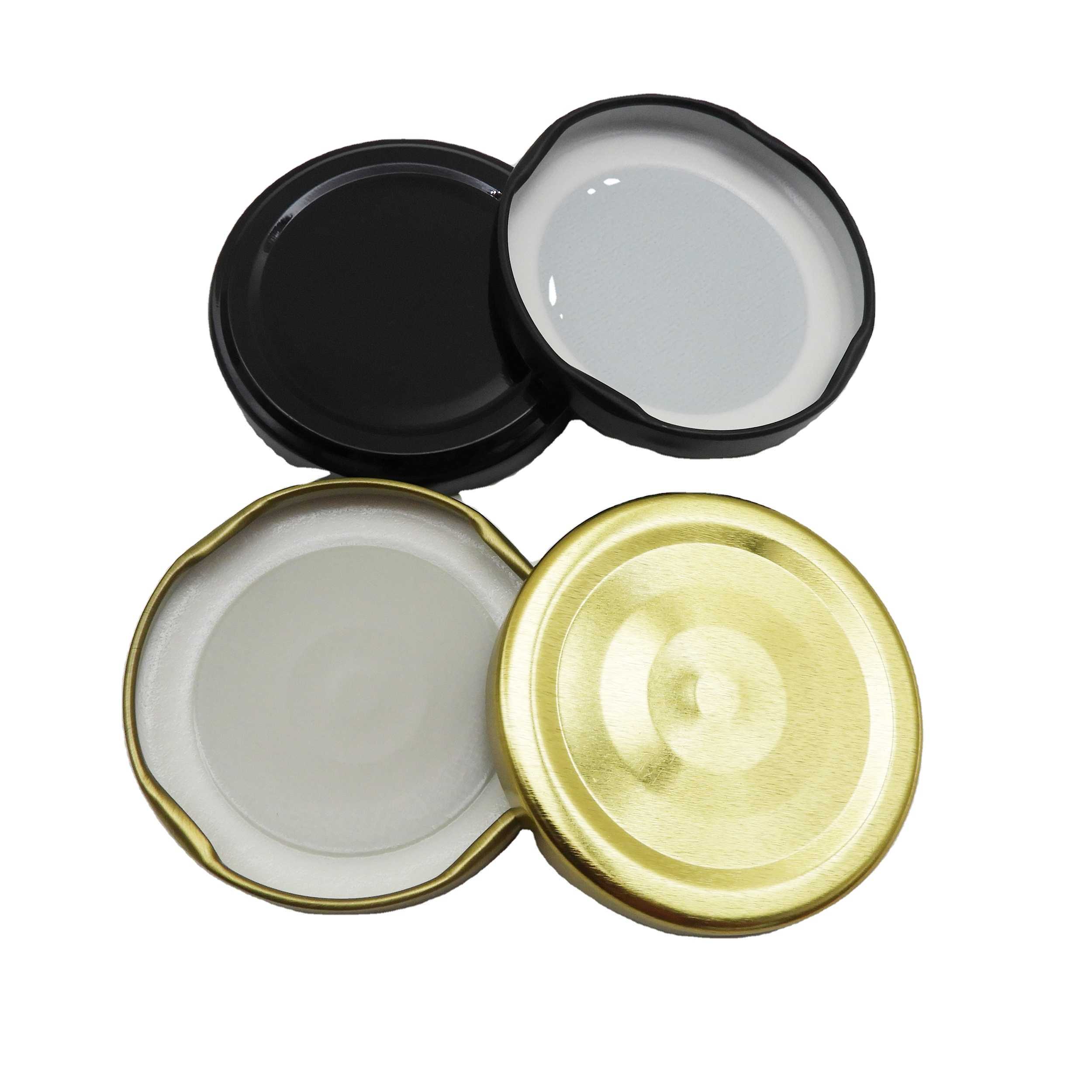
A reliable 66mm acid-resistant lid is not simply a standard metal cap made in a different diameter.An acid-resistant lid is more than just thick metal. Good results come from the whole closure system. This includes the tinplate, inner coating, sealing compound, cap shape, and jar fit.
How Does the Internal Coating Create a Protective Barrier?
A proper inner coating keeps sour brine and steam away from the metal top. This shield cuts down direct chemical attacks. It lowers the chance of stains, tiny holes, coating breaks, and rust.
Still, buyers should never pick a coating just by its name. They must check how well it works through filling and storage tests. These tests must use the real pickle recipe.
How Does the Sealing Compound Support Protection?
The compound inside a twist-off cap touches the glass jar finish. When matched and put on right, it holds the vacuum. It also stops air and water from getting in.
Compound choices change based on the food, heating level, shelf life needs, and opening ease. A closure made for honey or dry snacks might fail with sour pickled veggies.
Why Must the Cap Match the Exact Jar Finish?
A stated lid size never promises a perfect fit. Two jars with the same measured hole might have different lug spots. They might have unique finish heights, thread shapes, or sealing lips.
For a 66mm pickle jar lid project, buyers must share a full jar drawing. They should give neck-finish details, a real jar sample, or an old cap sample. The factory must then test the cap on the real glass before big production runs.
How Can Pickle Producers Reduce Lid Corrosion?
Picking good materials matters a lot. However, factory control is just as vital. The best outcomes happen when makers treat the jar, cap, food, and filling steps as one single packing system.
What Should Be Checked Before Ordering?
Buyers must share the pickle recipe type, rough pH level, and salt amount. They need to state filling heat, heating steps, and wanted shelf life. Target markets, jar drawings, and storage plans are also key details.
They should ask for samples to run seal, rust, transit, and shelf-life tests. A quick test with the real food uncovers risks. These risks might not show up on a basic spec sheet.
What Should Be Monitored During Production?
Important check spots include jar-rim cleanliness, fill height, and headspace. Workers must also watch cap fitting, vacuum pull, cooling, coating health, and box dryness.
Staff should open routine check samples right after packing and during storage. They must write down details about the lid bottom, sealing compound, food smell, vacuum strength, and opening ease.
Why Choose Yantai Original as a Tinplate Cap Supplier?
A solid partner must help buyers check both looks and function needs. They should not just sell a lid with the asked size.
What Can Yantai Original Provide?
Yantai Original Import and Export Co., Ltd. provides metal caps and other bottle-closure goods for food and drink packing. Its metal twist-off caps fit matching glass jars used for pickles, jam, honey, sauces, spices, and fruit treats. Offered services include custom cap colors, top-logo printing, and jar-finish checks. The team also talks about sealing compounds and safety-button needs.
The firm notes over eight years of bottle-cap export work. It helps with small-batch custom-logo orders. It can also ship glass bottles and caps together. This helps buyers match containers and closures through one single source.
For acid-resistant pickle jar lids, clients must send their jar specs, filled-food details, and cooking methods. They also need to state the order amount. These facts let the supplier suggest samples and fit checks before main production.
Conclusion
A properly selected 66mm acid-resistant tinplate lid can provide stronger protection when its internal coating, sealing compound, cap geometry, jar finish, and filling process are correctly matched. Pickle manufacturers should not choose a 66mm closure based only on its nominal diameter or price. Jar drawings, physical samples, real-product testing, and consistent production controls are essential for reducing rust, maintaining vacuum, and protecting brand quality.
FAQs
Can a Rusty Pickle Jar Lid Still Maintain a Safe Seal?
Small outside rust does not always mean a broken seal. Yet, inner rust, deep decay, holes, leaks, a popped safety button, or lost vacuum need serious care. Commercial makers must isolate bad batches. They should run a full packing-quality check instead of just looking at the jars.
Are All Tinplate Lids Suitable for Acidic Pickles?
No. Tinplate lids use varied coatings, compounds, metal specs, and making steps. Buyers must make sure the offered closure passes tests for their food acidity and salt level. Filling heat, cooking steps, and shelf-life goals must also match.
Can a 66mm Lid Fit Every Jar With a 66mm Opening?
No. The measured hole size is just one piece of the fit. Lug spots, finish height, sealing lip, cap height, and thread shape must match too. Always give a jar drawing or physical sample. Finish a full seal test before buying a huge order.