

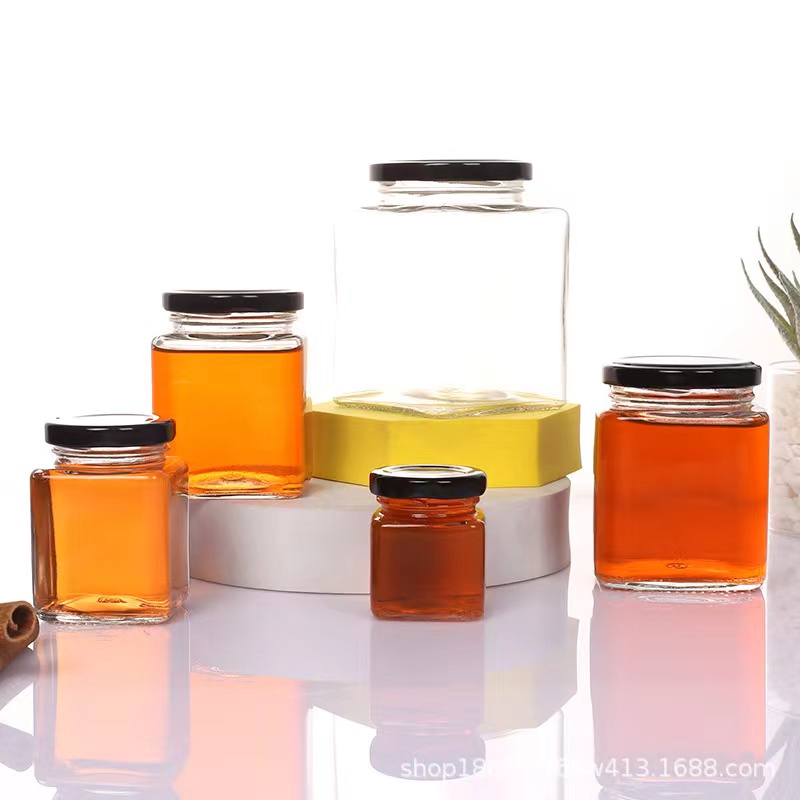
A square glass pickle jar helps brands display and organize food items on retail shelves. It also makes labeling simpler. However, packaging buyers need to look beyond just the physical shape. The jar’s volume must fit the specific food item. Moreover, the top opening needs to pair perfectly with the lid. The whole setup must also function well during the actual filling process. Square glass pickle jars from Yantai Original come in nine distinct transparent-glass sizes. These range from 50ml to 730ml. When buyers look for glass jars with lids, they share a clear goal. They need to pick the right container and verify the closure type. They must do this before they buy in bulk.
Why Choose a Square Glass Jar for Food Packaging?
Square jars feature flat sides. They also have a clear base shape. This design creates a very neat appearance on store shelves. Pickle brands and condiment makers should consider them. Specialty food suppliers looking for a uniform packaging style will also find them useful. Still, buyers must balance this nice look against practical needs. These include daily handling, factory filling, applying labels, and safe shipping.
Where Does the Square Shape Help?
A square glass jar provides flat surfaces. This is quite different from a standard round bottle. These flat areas easily hold front and back labels. Brands can clearly arrange their product names and ingredient lists. They can display visual designs without bending everything around a curve. Furthermore, this specific shape makes different product lines look highly organized on a retail display. Of course, real packing efficiency relies on several other factors. These include the exact jar dimensions, box dividers, outer cartons, and final pallet layouts.
Which Foods Could Use This Jar?
The official catalogue names this item a Square Pickle Jar. Therefore, pickled vegetables serve as the main suggested use. Food makers might also pack relishes or various condiments inside. Yet, they must always check if the jar truly fits their needs. They need to review the exact food recipe and the factory filling temperature. They must also check the closure liner and the target shelf life. A glass container by itself cannot guarantee success. The entire package must match the specific food processing method.
Which Square Pickle Jar Sizes Are Available?
The product catalogue highlights nine different capacities. All of these come in clear, transparent glass. The printed size details offer a great starting point for early packaging ideas. Even so, buyers should always ask for a technical drawing. This step helps them verify the exact measurement directions and manufacturing tolerances. It also confirms the specific jar-mouth details.
|
Capacity |
Catalogue size |
|---|---|
|
50ml |
44 × 54mm |
|
80ml |
51 × 53mm |
|
100ml |
55 × 75mm |
|
150ml |
52 × 76mm |
|
200ml |
63 × 88mm |
|
280ml |
72 × 92mm |
|
380ml |
75 × 108mm |
|
500ml |
77 × 112mm |
|
730ml |
91 × 128mm |
Source: Yantai Original “Glass Bottle with Bottle Cap” catalogue, page 15.
How Can Buyers Select the Right Capacity?
A 50ml or 80ml jar works well for tiny trial amounts. They are great for sample-based packaging. Meanwhile, the 100ml and 150ml versions offer slightly larger compact choices. The 200ml, 280ml, and 380ml jars usually fit standard retail product lines. Finally, the 500ml and 730ml jars deliver extra room for bulk family packs. Please note that these are simply marketing examples. They are not strict serving-size rules. The final filled weight will always change based on the actual food item.
How Should Square Glass Jars with Lids Be Matched?
Many buyers make a simple purchasing mistake. They assume a lid will fit just because its listed width seems close to the jar opening. The catalogue clearly shows the main body sizes. However, it does not list a specific matching lid diameter. It also leaves out the neck-finish standard for this square series. Buyers must secure this vital information before they choose their final closure.
Check the Jar Mouth, Not Just the Jar Body
Buyers need to provide a detailed jar-mouth drawing. They can also send a physical sample. They must state if they need a lug-style twist-off lid or a completely different design. Yantai Original supplies metal twist-off caps for food glass jars. Still, customers cannot blindly pair that cap range with these square jars. A proper fit test is strictly required. The cap width and the lug shape must align perfectly. The sealing area and the inner liner must also match the real glass finish.
Match the Lid to the Filling Process
The actual food type greatly impacts the closure choice. Sour pickles and heavy salt brines create harsh conditions. They demand much stronger cap coatings and liners compared to dry goods. Factory hot filling and pasteurization processes also matter. Vacuum needs and warehouse storage environments play a big role in lid selection too. Yantai Original’s article on pickle jar lid corrosion highlights these exact issues. Buyers must test the fully assembled package before starting mass production. They should use the real food and the actual factory process. Relying purely on a basic catalogue picture is never a good idea.
What Problems Can Coordinated Jar and Lid Sourcing Reduce?
Buying a square glass jar from one place and a metal lid from another can cause trouble. It often creates unnecessary arguments about supplier responsibility if the final package fails. Companies can avoid this by coordinating the technical details early on. This smart approach catches potential problems during the initial sampling phase.
Reducing Lid-Fit and Sealing Rework
A closure that sits crookedly leads to major issues. It causes uneven factory application and very weak sealing results. Buyers should never pick a cap based solely on its basic diameter. Instead, they should share physical samples and precise technical drawings. They should also provide full product details for a joint review. The company’s bottle-neck size confirmation process offers a highly practical starting point. It checks parts compatibility long before a massive purchase. However, the final sealing success must still be proven on the buyer’s own filling line.
Keeping Packaging Consistent Across Sizes
Brands that use multiple container sizes demand steady consistency. They need matching labels, lids, and shipping cartons. A small 100ml promotional jar and a large 500ml retail jar can easily share the same visual style. Even so, their specific closures and printed labels will likely need totally different technical specs. Teams must check every single SKU as a fully built package. This careful step prevents sudden artwork delays and serious packing errors later.
What Can Yantai Original Offer Food Packaging Buyers?
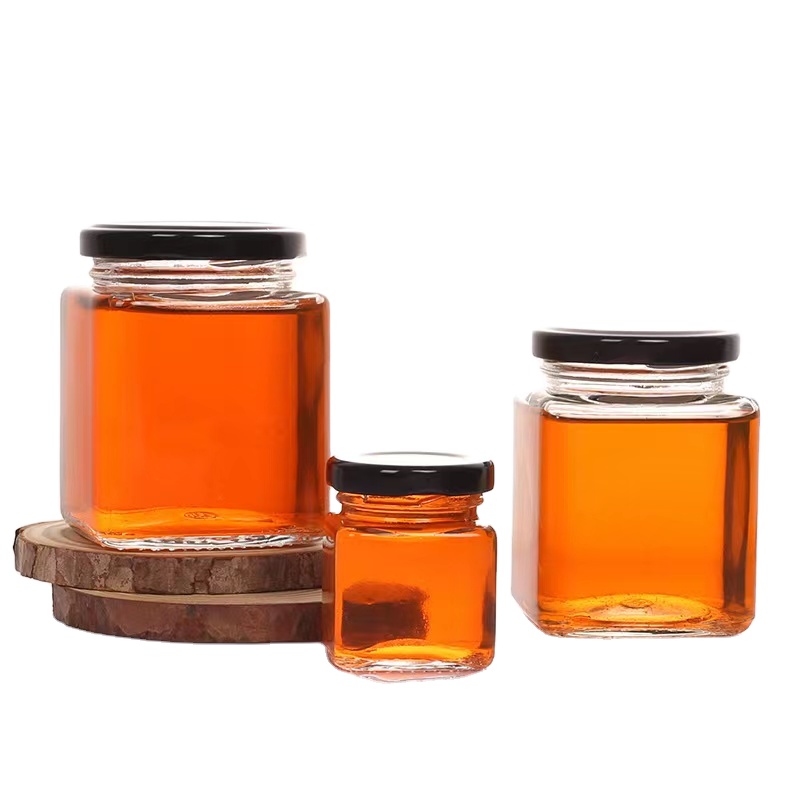
Yantai Original Import and Export Co., Ltd provides quality glass containers. They also supply related closure products for various packaging projects. For this specific square glass pickle jar, the clear starting point is a transparent-glass series. It covers capacities from 50ml to 730ml. The company is ready to discuss compatible cap choices and unique branding needs. They can do this right after the buyer shares the jar mouth details, the food type, and the factory filling method.
What Should Be Included in a Quotation Request?
A highly effective enquiry lists several key details. It shows the desired jar capacity and the planned order quantity per size. It also names the specific food item. Furthermore, it explains the filling method and the heat-treatment process. The request should mention the expected warehouse storage conditions and the final target market. Buyers must include a precise jar drawing or a real sample. They should state their favorite lid style and attach any cap artwork. This complete data allows the supplier to treat the glass jar and the closure as a single unified project. It stops them from promising a bad lid fit or poor factory performance.
Conclusion
The Square Glass Pickle Jar collection offers packaging buyers nine distinct options. These transparent-glass capacities range from 50ml up to 730ml. The square shape provides excellent flat areas for labels. It also delivers a very distinct visual presentation. However, true market success relies heavily on the entire assembled package. Teams must verify the jar mouth and the proper lid early on. They must also check the inner liner, the food product, and the factory filling conditions. This early work makes the sampling stage much faster. By working with Yantai Original, buyers can start with the standard jar sizes. They can then discuss the best matching closures. This is far better than treating every single part as a totally separate purchase.
FAQs
What capacities are available for the Square Glass Pickle Jar?
The official catalogue features the 50ml, 80ml, 100ml, 150ml, 200ml, 280ml, 380ml, 500ml, and 730ml options. The factory produces all of these items in clear, transparent glass.
Are lids included with every square glass jar?
The printed catalogue does not assign a specific lid model or a set diameter for these jars. Buyers must choose a suitable lid carefully. They should do this only after they check the physical jar-mouth finish. They must also review their exact food packaging process.
Can these glass jars be used for food products other than pickles?
Companies can certainly test other food types in these jars. However, overall compatibility depends on several factors. These include the actual food product and the specific closure liner. The factory filling method and the required warehouse storage conditions matter too. We strongly suggest doing physical sample tests before placing any massive bulk order.


